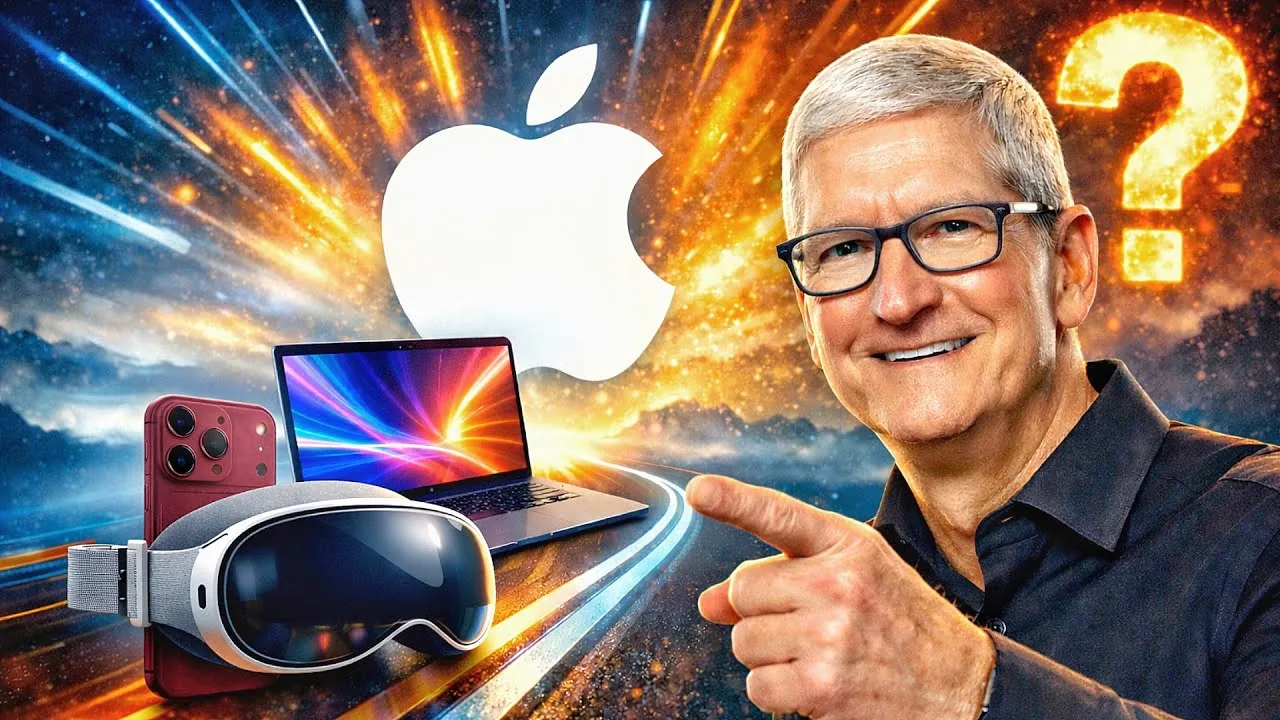
Apple is poised to redefine its product lineup in early 2026, emphasizing smarter, more efficient technology across its devices. This year’s updates span iPhones, iPads, Macs, and artificial intelligence (AI) advancements, with a clear focus on enhancing performance and software intelligence rather than introducing dramatic design changes. This strategy underscores Apple’s commitment to long-term innovation, making sure its devices remain seamlessly integrated, user-friendly, and prepared for the future. The video below from Tech Town gives us more details on Apple’s 2026 lineup.

AI Integration: A Smarter, More Natural Siri
Artificial intelligence lies at the heart of Apple’s 2026 vision. By embedding AI deeply into its ecosystem, Apple aims to deliver a more intuitive and personalized user experience. A key highlight is the redesigned Siri, which now offers conversational and contextual interactions. You’ll find Siri responding in a more natural, human-like manner, making it an indispensable tool for managing tasks, answering complex questions, and navigating your devices with ease.
Apple’s advanced silicon technology plays a pivotal role in this transformation. By allowing on-device AI processing, tasks are handled locally rather than relying on cloud connectivity. This approach ensures faster response times, enhanced privacy, and a smoother overall experience. For you, this means greater control over your data and a more reliable assistant that works seamlessly, even without an internet connection.
iPhone 17e: Affordable Innovation for All
The iPhone 17e, Apple’s latest addition to its smartphone lineup, is designed to bring innovative technology to a broader audience. As the successor to the iPhone 16, the 17e focuses on internal upgrades rather than external redesigns, making it a practical choice for cost-conscious consumers. With improved efficiency, advanced AI integration, and a competitive price point, the iPhone 17e offers a powerful smartphone experience without the premium cost.
This model reflects Apple’s strategy to balance innovation with accessibility. By prioritizing performance and functionality, the iPhone 17e ensures you can enjoy the benefits of advanced technology, such as enhanced AI capabilities and seamless ecosystem integration, without compromising on affordability.
iPads: Power Meets Accessibility
Apple’s iPad lineup is set to receive significant updates in 2026, catering to a wide range of users. A new entry-level iPad will feature substantial chip advancements, delivering improved performance and support for advanced AI-driven features. This ensures the device remains future-proof, offering a reliable option for casual users and students alike.
Meanwhile, the iPad Air will undergo a refresh, incorporating next-generation Apple silicon. This update strikes a balance between power and affordability, making it an ideal choice for professionals and creatives. Whether you’re using an iPad for work, entertainment, or artistic pursuits, these enhancements will provide the tools you need to excel in any task.
Macs: Performance Boosts and AI Readiness
Apple’s Mac lineup will see a major leap forward in 2026, with the introduction of next-generation M-series chips in MacBook Pro models. These chips promise substantial performance improvements, allowing faster workflows, efficient multitasking, and the ability to handle demanding tasks with ease. If you’re a creative professional or a power user, these upgrades will enhance your productivity and streamline your computing experience.
In addition to raw performance, Apple is equipping its Macs with enhanced AI capabilities. On-device AI processing will allow Macs to handle complex tasks locally, improving both speed and privacy. This focus on AI readiness ensures that Apple’s computers remain at the forefront of modern computing, offering you the tools to stay ahead in an increasingly digital world.
Seamless Ecosystem Integration
Apple’s ecosystem remains a cornerstone of its strategy, and the 2026 updates will further strengthen this integration. Devices across the lineup will work together more seamlessly, allowing you to transition effortlessly between tasks on your iPhone, iPad, and Mac. For example, you’ll be able to start a project on your MacBook, continue it on your iPad, and finalize it on your iPhone without interruption.
Hardware and software optimizations will also deliver tangible benefits, such as longer battery life, faster performance, and improved connectivity. These enhancements ensure that your devices not only work better individually but also function as a cohesive unit, providing a smoother and more efficient user experience.
Strategic Focus and Future-Proofing
Apple’s 2026 strategy reflects a calculated approach to innovation, with a strong emphasis on future-proofing its products. By reallocating resources from less impactful projects, such as a previously planned health-related service, Apple has doubled down on AI advancements and core hardware improvements. This shift ensures that its devices remain relevant and competitive in a rapidly evolving tech landscape.
The early 2026 product launch is expected to set the tone for the year, showcasing smarter, ecosystem-driven devices that prioritize your needs. Whether you’re upgrading to the latest iPhone, exploring the refreshed iPad lineup, or investing in a new Mac, Apple’s focus on performance, integration, and accessibility promises a future-ready experience tailored to your lifestyle.
Find more information on AI integration by browsing our extensive range of articles, guides and tutorials.
- Apple’s iOS 27: The Future of Health and AI Integration
- How Model Context Protocol (MCP) Simplifies AI Workflows and
- iOS 26.4 Leak: Siri’s Gemini AI Integration Explained
- Anthropic MCP Toolkit : Simplify AI Integration & Boost Productivity
- Ubitium’s Universal RISC-V Processor: A New Era in AI Integration
Source & Image Credit: Tech Town
Disclosure: Some of our articles include affiliate links. If you buy something through one of these links, Geeky Gadgets may earn an affiliate commission. Learn about our Disclosure Policy.
