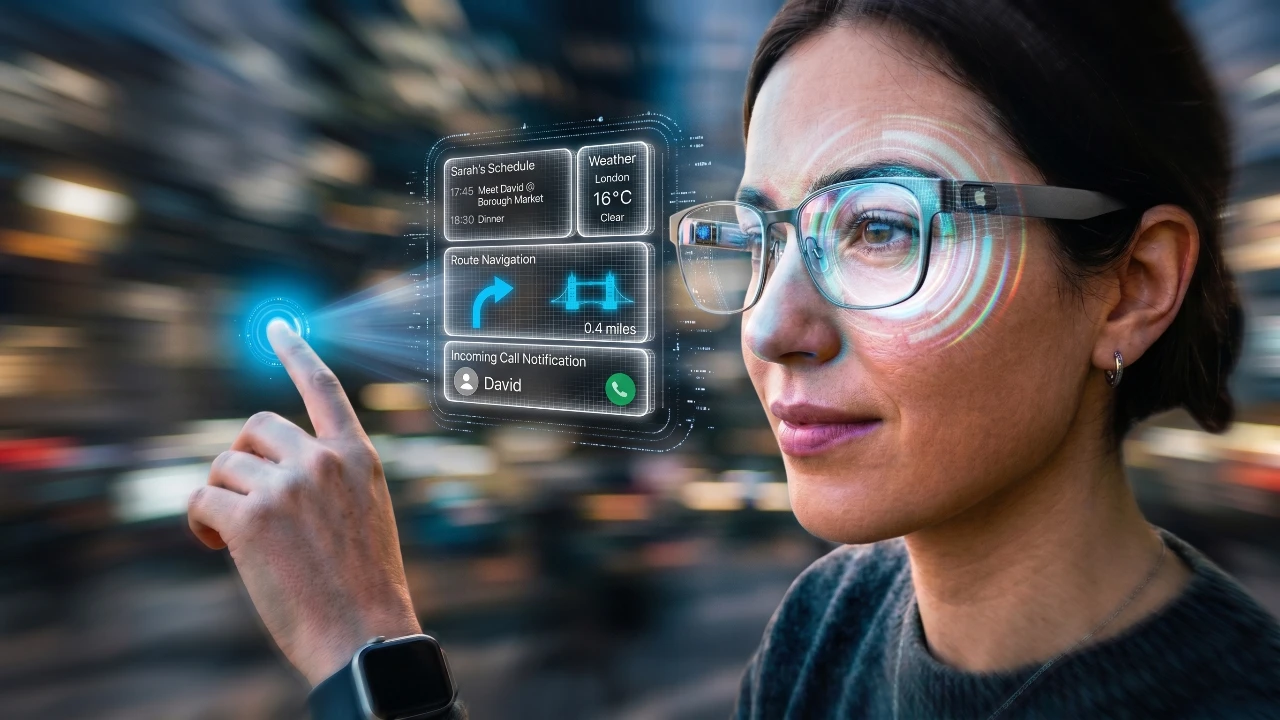
Apple is reportedly preparing to enter the wearable technology market with its highly anticipated AI-powered smart glasses, directly challenging Meta’s dominance in this space. These glasses are expected to integrate seamlessly into the Apple ecosystem, using advanced hardware, artificial intelligence, and spatial computing. While the potential for innovation is significant, questions remain about their practicality, mainstream appeal, and whether they can truly redefine wearable technology. The video below from Apple Insider gives us more details on what to expect from the rumored Apple Glasses.

Design and Build: Balancing Style and Function
Apple’s smart glasses are rumored to feature a sleek, premium design crafted from durable acetate materials, making sure both longevity and aesthetic appeal. This aligns with Apple’s reputation for delivering high-quality, stylish products. To cater to a broader audience, the glasses are expected to support prescription lenses, likely through a collaboration with Zeiss, a leader in optical technology. Reports suggest Apple is developing multiple styles to blend functionality with fashion, aiming to appeal to diverse user preferences and establish the glasses as both a tech device and a style statement.
The design is also expected to prioritize comfort, making sure the glasses can be worn for extended periods without causing strain. By balancing style, durability and practicality, Apple aims to create a product that resonates with both tech enthusiasts and everyday users.
Hardware and Processing: Power Meets Efficiency
At the core of Apple’s smart glasses lies custom silicon, likely based on the System in Package (SIP) technology used in the Apple Watch. This chip is designed to handle complex tasks efficiently while maintaining low power consumption, a critical factor for wearable devices. Similar to the Apple Watch, the glasses are expected to offload some processing tasks to a paired iPhone, making sure smooth performance without compromising battery life.
The device is also rumored to include at least one high-quality camera, potentially surpassing Meta’s 3K video capabilities. This could enable features such as hands-free photography, video recording and augmented reality applications. Additionally, integrated speakers may allow for audio-based interactions, such as making calls, listening to music, or accessing Siri, eliminating the need for separate earbuds. These hardware advancements highlight Apple’s focus on delivering a seamless and efficient user experience.
Features and Functionality: AI at the Core
Apple’s smart glasses are expected to showcase a range of innovative features powered by its advanced AI framework, “Apple Intelligence.” These features are designed to enhance usability and provide practical applications for everyday life. Key functionalities may include:
- Visual Lookup: Identify objects, translate text in real-time and add events to your calendar seamlessly, making the glasses a versatile tool for productivity and convenience.
- Gesture Controls: Inspired by AirPods technology, these controls could allow users to adjust volume, navigate menus, or interact with apps using simple hand movements, offering an intuitive and hands-free experience.
- Live Translation: Assist real-time multilingual conversations, making the glasses invaluable for travelers, business professionals and global communication.
- Spatial Content Creation: Capture photos and videos with enhanced depth and perspective, opening new possibilities for creative expression and content sharing.
These features emphasize Apple’s commitment to intuitive interactions and practical applications, setting the stage for a user-friendly and innovative wearable device.
How Apple Stacks Up Against Meta
Apple’s entry into the smart glasses market inevitably invites comparisons with Meta’s existing offerings. While Meta relies on Qualcomm’s Snapdragon AR Gen 1 platform, Apple’s custom silicon could deliver superior performance and energy efficiency, giving it a potential edge in hardware capabilities. Apple’s expertise in cameras and image processing may also enhance features like augmented reality and hands-free photography, further distinguishing its product.
Privacy is another critical area where Apple could outshine Meta. Meta’s AI assistant has faced scrutiny over data privacy concerns, whereas Apple has built its reputation on prioritizing user privacy and data security. This focus could attract users who value a secure and trustworthy ecosystem, further solidifying Apple’s competitive advantage.
Potential Use Cases: Everyday Utility
The versatility of Apple’s smart glasses could make them a valuable tool across various scenarios, offering practical benefits for both personal and professional use. Some potential use cases include:
- Content Creation: Hands-free photography and video recording could appeal to casual users, influencers and professionals seeking convenience and creativity.
- Audio Interactions: Built-in speakers may eliminate the need for accessories like earbuds, allowing seamless calls, music playback and voice assistant interactions.
- Apple Ecosystem Integration: Features like Find My, Apple Health and Apple Music could enhance the user experience, making the glasses a natural extension of existing Apple devices.
- Travel Assistance: Real-time translation and navigation features could simplify travel, offering users a reliable companion for exploring new destinations.
These applications highlight the potential for the glasses to become an integral part of daily life, provided they deliver on functionality, ease of use and reliability.
Challenges Ahead: Adoption and Practicality
Despite their promising features, Apple’s smart glasses face significant challenges. One major concern is their practicality in various environments. For instance, outdoor use may require sunglass lenses, which could limit usability in low-light conditions. Additionally, the broader question of whether smart glasses can achieve mainstream adoption remains unanswered. While the technology is impressive, it is unclear if consumers are ready to embrace wearable devices as everyday essentials.
Speculation also surrounds future iterations of the product. Some reports suggest Apple may eventually release models with integrated displays, further blurring the line between smart glasses and augmented reality headsets. However, such advancements could take years to materialize, leaving the initial versions as a stepping stone toward more advanced capabilities.
Future Outlook: A New Era for Wearables?
Apple’s smart glasses represent a bold step forward in the evolution of wearable technology. While the first generation may focus on refining existing capabilities, future iterations could evolve into advanced spatial computing devices, potentially transforming how users interact with technology. The success of these glasses will depend on Apple’s ability to balance functionality, design and affordability.
As Apple prepares to enter this competitive market, its ability to address challenges like practicality and adoption will be critical. If the company can deliver a product that seamlessly integrates into users’ lives while offering unique and valuable features, it could redefine the future of wearable technology. The tech world now watches closely as Apple takes on Meta, setting the stage for the next chapter of innovation in wearable devices.
Check out more relevant guides from our extensive collection on Apple Glasses that you might find useful.
- Apple Glasses 2026: Release Date, Price, and Feature Leaks
- Apple Smart Glasses: Major Production Milestone Leaked for 2026
- Apple Smart Glasses Leak: Visual Intelligence & Gemini Siri
- Apple Glass Early Look: 2026 Release Date & Leaked Features
- Beyond Vision Pro: Apple’s Lightweight Smart Glasses Leak
- Apple Glasses Release Date & Pricing Details Revealed
Source: AppleInsider
Disclosure: Some of our articles include affiliate links. If you buy something through one of these links, Geeky Gadgets may earn an affiliate commission. Learn about our Disclosure Policy.
