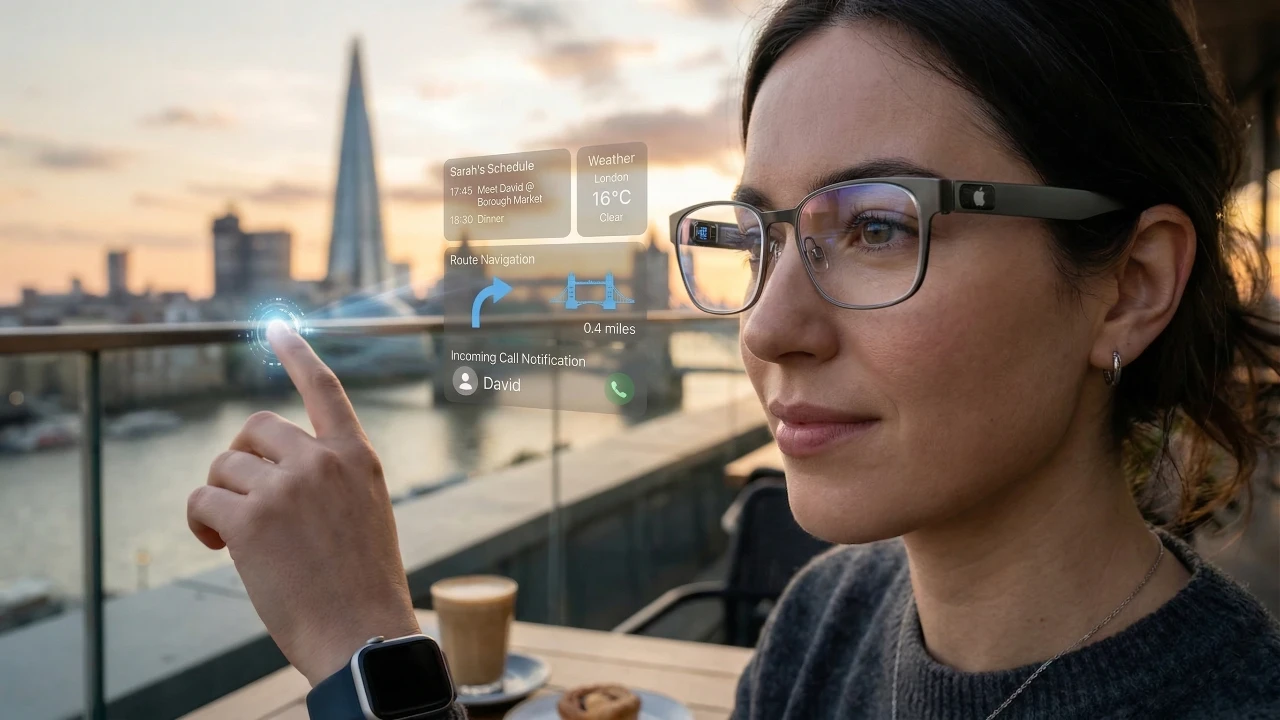
Apple is reportedly preparing to launch its highly anticipated smart glasses, a wearable device designed to integrate seamlessly into your daily life. Unlike the Vision Pro headset, which focuses on immersive AR/VR experiences, these glasses aim to deliver a more practical and socially acceptable augmented reality (AR) solution. By using the robust Apple ecosystem, the glasses promise to offer advanced features such as real-time notifications, voice assistant functionality, and AR overlays. Apple’s emphasis on privacy, simplicity, and affordability positions these glasses as a potentially fantastic option in wearable technology. The video below from 9 to 5 Mac provides more details about what Apple has planned.

What Will They Look Like?
Apple’s smart glasses are expected to closely resemble traditional eyewear, prioritizing a sleek, lightweight design that blends effortlessly into everyday life. This design approach contrasts sharply with the bulkier appearance of many AR/VR headsets, making the glasses more practical for regular use. Reports indicate that Apple is testing various styles to ensure the glasses feel natural and socially acceptable in diverse settings, from professional environments to casual outings. The goal is to create a device that integrates into your routine without drawing unnecessary attention, offering both functionality and subtlety.
Key Features and Functionality
Apple’s smart glasses are designed to rely on your iPhone for most of their computing power, which helps keep the glasses lightweight and energy-efficient. Here’s a closer look at the expected features:
- Notifications: Receive messages, calls and alerts directly in your field of vision, reducing the need to check your phone constantly.
- Navigation Assistance: Access step-by-step directions overlaid onto your surroundings for hands-free guidance, whether walking or driving.
- Voice Interaction: Use Siri to perform tasks such as setting reminders, sending messages, or controlling smart home devices without lifting a finger.
- Audio Integration: Pair the glasses with AirPods for seamless music playback, phone calls, or spoken navigation prompts.
- Augmented Reality: View contextual information, such as identifying landmarks, translating text, or receiving real-time updates about your environment.
These features aim to enhance convenience and productivity while reducing reliance on traditional screens, such as smartphones or tablets.
Privacy and Camera Use
Apple is placing a strong emphasis on privacy with its smart glasses, addressing one of the most significant concerns surrounding wearable technology. The device is expected to include cameras for AR functionality and object recognition, but these will feature built-in LED indicators to signal when they are active. This transparency ensures that both users and bystanders are aware of camera usage, fostering trust and ethical design. By prioritizing privacy and clear communication, Apple aims to set a new standard for wearable devices, balancing innovation with user confidence.
How Do They Compare to the Vision Pro?
The Vision Pro, Apple’s premium AR/VR headset, is designed for immersive experiences in controlled environments and carries a hefty $3,500 price tag. In contrast, the smart glasses are intended for everyday use, offering a more portable and affordable alternative. While the Vision Pro focuses on advanced applications such as virtual meetings and immersive gaming, the glasses prioritize essential features like notifications, navigation and voice interaction. This distinction makes the smart glasses a more practical choice for a broader audience, catering to those seeking convenience and functionality in their daily routines.
Everyday Use and Potential Applications
Apple’s smart glasses are designed to integrate seamlessly into your daily life, offering ambient AI assistance that enhances productivity without overwhelming you. Here are some potential use cases:
- Hands-Free Notifications: Stay informed about important updates without the need to check your phone or smartwatch.
- Navigation: Explore new areas with step-by-step directions displayed directly in your line of sight, making travel more intuitive.
- Voice Commands: Use Siri to perform quick tasks like setting timers, sending messages, or controlling smart home devices.
- AR Overlays: Access real-time information about your surroundings, such as identifying nearby businesses or translating foreign text.
These features are designed to enhance convenience and productivity, allowing you to stay connected and informed without unnecessary distractions.
Seamless Apple Ecosystem Integration
As with all Apple products, the smart glasses are expected to integrate effortlessly into the Apple ecosystem. They will likely connect to your iPhone, Apple Watch and AirPods, creating a unified experience across devices. For example, you could answer a call, listen to music, or check a notification through the glasses, making sure a smooth and intuitive transition between tasks. This seamless integration underscores Apple’s commitment to creating a cohesive and user-friendly ecosystem, making the glasses a natural extension of your existing devices.
Challenges Ahead
Despite their potential, Apple’s smart glasses face several challenges that could impact their success:
- Affordability: Striking the right balance between cost and functionality will be crucial to making the glasses accessible to a wide audience.
- Social Acceptance: Wearable technology often raises questions about societal norms and etiquette, which Apple will need to address through thoughtful design and marketing.
- Privacy Concerns: Making sure robust data security and transparent camera usage will be essential to building trust with users and the broader public.
- Battery Life: Maintaining a lightweight design while offering sufficient battery life for daily use will be a significant technical challenge.
Apple’s ability to navigate these hurdles will play a critical role in determining the long-term success of its smart glasses.
What’s Next?
Apple’s smart glasses represent a significant step forward in the evolution of augmented reality wearables. By combining advanced features with a focus on everyday usability, these glasses have the potential to redefine how you interact with technology. Their sleek design, privacy-focused features and seamless integration into the Apple ecosystem position them as a promising addition to the wearable tech market.
However, their success will depend on Apple’s ability to address key challenges such as affordability, functionality and societal acceptance. If executed effectively, these glasses could pave the way for a new era of wearable technology, offering a glimpse into the future of augmented reality and its role in daily life.
Here is a selection of other guides from our extensive library of content you may find of interest on Apple Smart Glasses.
- Apple Smart Glasses Leak: 4 New Frame Designs for 2027 Launch
- Apple Glass Early Look: 2026 Release Date & Leaked Features
- Apple Smart Glasses Leak: Visual Intelligence & Gemini Siri
- Apple Glasses: Everything We Know So Far
- Apple Glasses 2026: Release Date, Price and Feature Leaks
Source: 9to5Mac
Disclosure: Some of our articles include affiliate links. If you buy something through one of these links, Geeky Gadgets may earn an affiliate commission. Learn about our Disclosure Policy.
