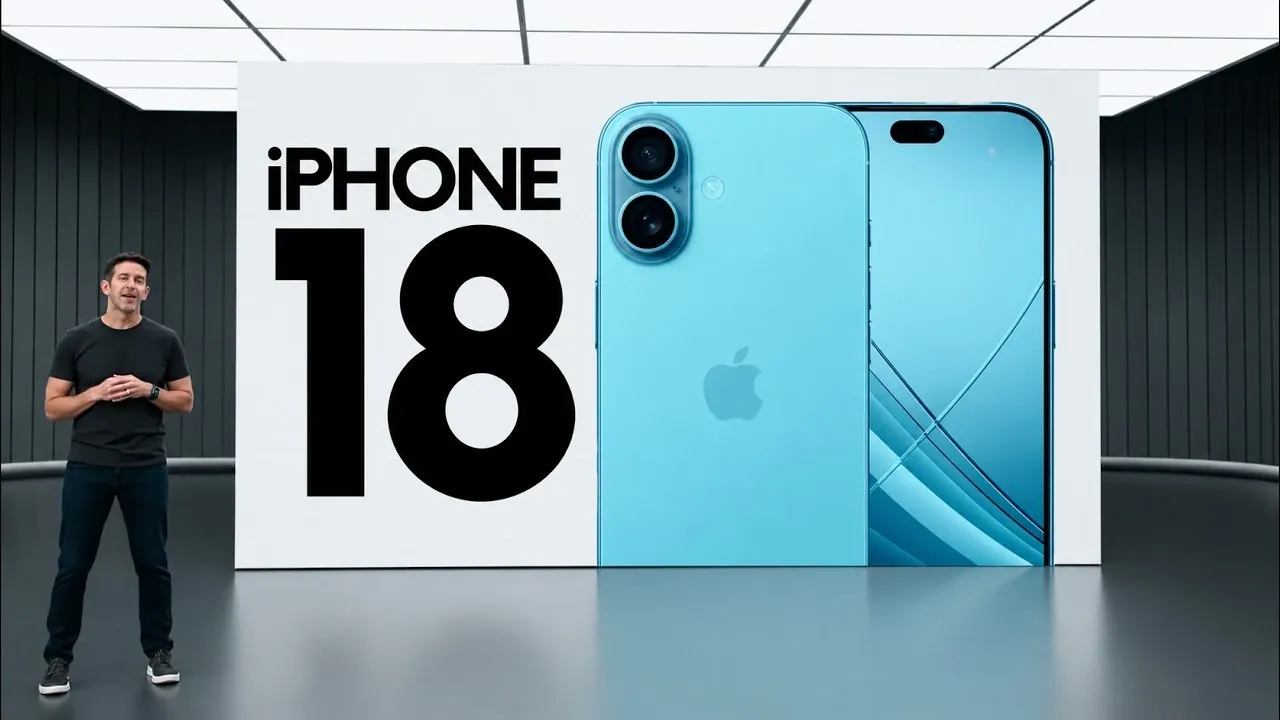
The iPhone 18 is shaping up to be one of the most anticipated releases in Apple’s history, with promises of new features and hardware upgrades. However, early reports suggest that the base model may not meet the expectations of all users. A modest memory upgrade from 8GB to 9GB of RAM could limit its ability to support advanced AI features, creating a noticeable gap between the base and Pro models. Additionally, changes to Apple’s launch strategy and potential price increases may prompt consumers to carefully evaluate the value of the upcoming lineup.

Memory Upgrade: Incremental, Not Innovative
The base iPhone 18 and its rumored sibling, the iPhone 18e, are expected to feature 9GB of RAM, a slight increase from the 8GB found in the iPhone 17. This upgrade will reportedly use 1.5GB memory dies, a cost-efficient choice that simplifies Apple’s supply chain. While this decision may improve production efficiency, it also highlights the limited scope of improvements for the base models.
In contrast, the Pro models and the much-anticipated foldable iPhone are rumored to include 12GB of RAM. This significant increase in memory will enable these devices to deliver better performance and greater longevity. For the base models, however, the limited memory could hinder their ability to fully use advanced AI features. As AI tools become more integral to iOS, devices with less RAM may experience slower performance or compatibility issues, potentially leading to faster obsolescence compared to their Pro counterparts.
AI Features and Performance Gaps
AI capabilities are becoming a cornerstone of Apple’s ecosystem, with features like enhanced Siri functionality, on-device machine learning and real-time language translation driving innovation. These advancements, however, demand substantial memory to operate efficiently. The iPhone 18 base model’s 9GB of RAM may struggle to meet the demands of future AI applications, potentially limiting its long-term utility.
The Pro models, equipped with 12GB of RAM, are better positioned to handle these features seamlessly. This performance gap underscores a growing divide between the base and Pro models, raising important questions about the longevity and value of the base versions. As Apple continues to prioritize advanced AI features, the disparity in performance could make the Pro models a more attractive option for users seeking a future-proof device.
Apple’s Business Strategy: Balancing Efficiency and Consumer Expectations
Apple’s decision to use 1.5GB memory dies across the iPhone 18 lineup reflects a strategic move to streamline its supply chain and reduce production costs. By standardizing components, Apple can improve manufacturing efficiency, maintain tighter inventory control and potentially mitigate supply chain disruptions.
However, this approach also reinforces Apple’s tiered product strategy. By reserving advanced features and higher memory capacities for the Pro models, Apple encourages consumers to opt for these premium devices. While this strategy aligns with Apple’s business goals, it may leave some customers feeling underserved by the base models, particularly as the gap in performance and features between the base and Pro versions continues to widen.
Staggered Launch Schedule and Consumer Impact
Apple is reportedly adopting a staggered release strategy for the iPhone 18 series. The Pro models and the foldable iPhone are expected to launch in autumn 2026, while the base iPhone 18 and 18e will follow in spring 2027. This approach allows Apple to focus its marketing efforts on the premium models first, potentially driving higher initial sales and reinforcing the Pro lineup’s position as the flagship offering.
For consumers, this staggered schedule could be a source of frustration, particularly for those who prefer the base models. The extended wait may also influence purchasing decisions, especially if competitors release devices with comparable features at more competitive prices during the interim. This delay could lead some users to explore alternative options or reconsider upgrading altogether.
Pricing Trends and Consumer Considerations
Rising manufacturing costs and the inclusion of AI-specific hardware are expected to drive up prices across the iPhone 18 lineup. Pro models, with their superior hardware and capabilities, are likely to see the largest price increases. Even older models, such as the iPhone 17, may experience price adjustments as Apple recalibrates its pricing strategy to reflect the evolving market landscape.
For consumers, this underscores the importance of evaluating the cost-to-value ratio of new devices. If the iPhone 18 base model offers only incremental upgrades at a higher price, it may struggle to justify its place in the market. Users will need to carefully assess whether the additional cost of the Pro models is worth the enhanced performance and features or if older models provide a better overall value.
What Should You Do?
If you’re considering upgrading to the iPhone 18, it’s essential to weigh the potential benefits against the limitations. The base model’s modest memory upgrade and restricted AI capabilities could make it less future-proof, particularly as Apple continues to prioritize advanced features in its Pro lineup.
- Determine whether advanced AI features are critical to your daily usage and long-term needs.
- Compare the cost difference between the base and Pro models to assess their value.
- Explore competing devices in the market to ensure you’re getting the best combination of features and price.
For many users, the iPhone 17 may remain a compelling option. With comparable performance and a potentially lower price point, it could be a more practical choice for those who don’t require innovative AI functionality. Ultimately, understanding your priorities and budget will help you make the most informed decision, making sure your next smartphone purchase aligns with your expectations and delivers the value you seek.
Source & Image Credit: SaranByte
Disclosure: Some of our articles include affiliate links. If you buy something through one of these links, Geeky Gadgets may earn an affiliate commission. Learn about our Disclosure Policy.
