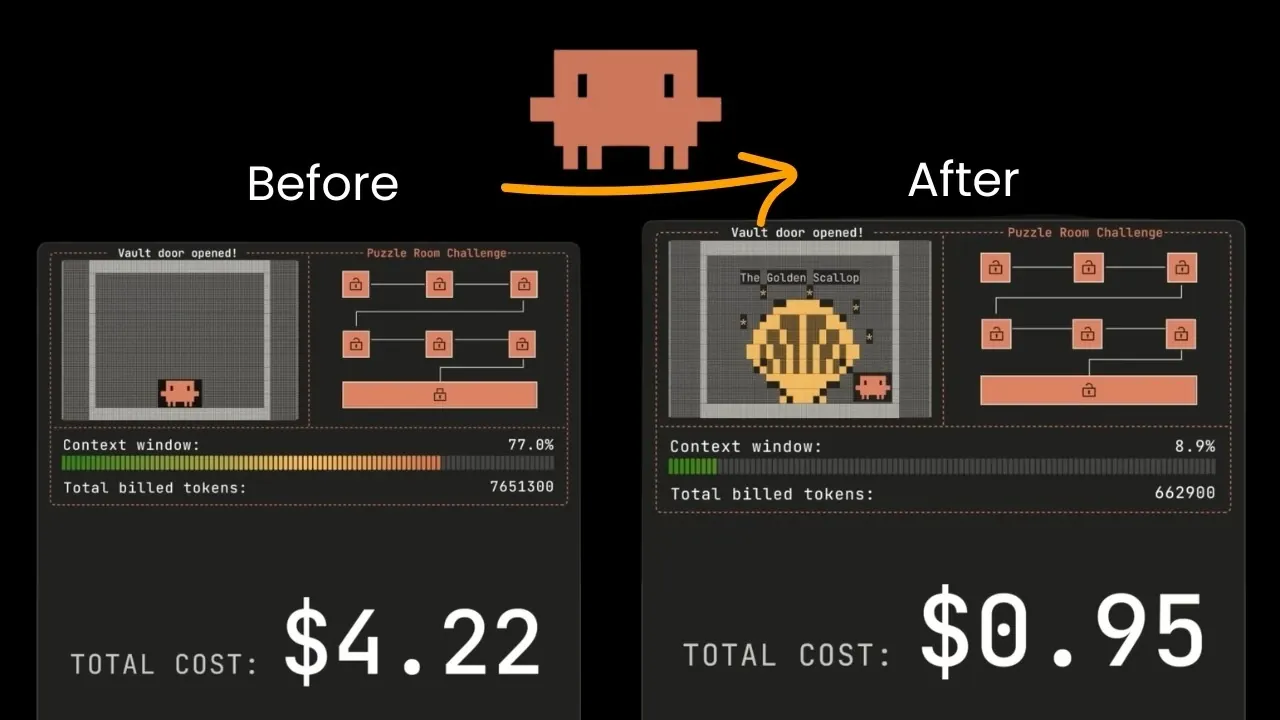
Anthropic recently discontinued a feature that allowed large language models (LLMs) to perform external API interactions. AI Jason investigates how this decision impacts workflows that relied on programmatic task execution, dynamic filtering, and other mechanisms designed to streamline multi-step operations. By removing this capability, Anthropic shifts focus away from certain advanced use cases that previously enhanced efficiency and reduced resource consumption in complex tasks.
Anthropic’s Tool Calling Updates
TL;DR Key Takeaways :
- Anthropic introduced updates to tool calling, enhancing efficiency, scalability, and accuracy for large language models (LLMs) in managing multi-step workflows.
- Programmatic tool calling enables LLMs to execute tasks dynamically using loops, conditionals, and batch processing, reducing token usage and improving task precision.
- Dynamic filtering optimizes token consumption by excluding irrelevant data, cutting token usage by an average of 24% and improving response accuracy.
- Tool search dynamically retrieves only relevant tools for tasks, reducing token consumption by up to 80% and streamlining operations in complex workflows.
- Input examples improve parameter handling accuracy, increasing success rates from 72% to 90%, enhancing reliability in high-stakes applications like email management and content generation.
What is Programmatic Tool Calling?
Programmatic tool calling introduces a dynamic approach to task execution, allowing LLMs to write and execute code for multi-step workflows. Unlike static JSON-based outputs, this method incorporates loops, conditionals, and batch processing, allowing for more flexible and deterministic task execution. This innovation ensures that LLMs can handle tasks more efficiently while conserving computational resources.
For instance, instead of repeatedly loading similar data into the context window, programmatic tool calling ensures that only essential information is processed. This reduces token usage, minimizes redundancy, and improves task completion rates. By streamlining workflows, this approach makes LLMs more effective in handling intricate operations, such as automating data analysis or managing large-scale content generation.
How Dynamic Filtering Optimizes Token Usage
Dynamic filtering is a pivotal feature that reduces token consumption by excluding irrelevant content from web fetch results. When retrieving data from external sources, LLMs often encounter large volumes of information, much of which may not be relevant to the task at hand. Dynamic filtering ensures that only the most pertinent data is included in the context window, improving both efficiency and response accuracy.
For example, in scenarios involving extensive datasets, dynamic filtering eliminates extraneous details, allowing the LLM to focus on actionable insights. This process not only reduces token usage, by an average of 24%—but also enhances the quality of the model’s outputs. By prioritizing relevant information, LLMs can deliver faster and more precise results, making them more reliable for tasks like market research or customer support.

Expand your understanding of Anthropic with additional resources from our extensive library of articles.
- Claude Opus 4.5: Coding Gains, Bug Fixes, and Faster Decisions
- How Anthropic’s Ralph Plugin Makes Claude Complete Coding Tasks
- Anthropic Bans OpenClaw : Blocks Agent SDK Apps OAuth Tokens
- Bun Acquisition by Anthropic, a Faster JavaScript Runtime
- ChatGPT 5.3 Codex vs Claude Opus 4.6 : Best Fit for Coding, Tasks & More
- Claude Sonnet 4.6 vs Opus 4.6: Benchmark Results and Safety Limits
- Claude Sonnet 5 vs Gemini 3 : Expected Strengths & Costs Compared
- OpenAI Codex 5.3 vs Anthropic Opus 4.6 : Coding Comparison
- Opus 4.5 vs Gemini 3 : Costs, Context, and Use Cases
- Claude Code No Longer Works with Third Party IDEs
Streamlining Operations with Tool Search
Tool search addresses inefficiencies in loading tool schemas into the context window by dynamically retrieving only the most relevant tools for a given task. Instead of preloading all available tools, this feature ensures that LLMs access only the ones necessary for the specific operation. This optimization significantly reduces token consumption, with potential savings of up to 80% in workflows involving multiple tools.
For instance, in a process requiring several APIs, the tool search mechanism identifies and loads only the required tools, avoiding unnecessary resource usage. This not only streamlines operations but also enhances the overall efficiency of the workflow. By reducing the computational overhead, tool search enables LLMs to handle more complex tasks, such as managing interconnected systems or automating multi-layered processes.
Improving Accuracy with Input Examples
Input examples provide LLMs with clear, illustrative guidance on handling complex or nested parameters. By offering concrete examples, this feature improves the accuracy of parameter handling, increasing success rates from 72% to 90%. This enhancement is particularly valuable in tasks that require precise input formatting or adherence to specific guidelines.
For example, in automating email management, input examples help LLMs understand how to categorize messages or generate appropriate responses. Similarly, in generating structured content, such as overviews or summaries, input examples ensure that outputs align with user expectations. By reducing errors and improving consistency, this feature enhances the reliability of LLMs in high-stakes applications.
Efficiency Gains Across Workflows
The combined impact of these updates results in substantial efficiency gains across multi-step workflows. By reducing token consumption by 30-50%, these innovations enable LLMs to handle large datasets or complex tool sequences with greater scalability and precision.
For example:
- In customer support automation, LLMs can process high volumes of inquiries while maintaining accuracy and speed, improving user satisfaction.
- In content generation, reduced resource usage translates to faster and more cost-effective operations, allowing businesses to scale their output.
These improvements make LLMs more capable of managing demanding tasks without compromising performance, making sure they remain a valuable tool for organizations across industries.
Real-World Applications
The advancements introduced by Anthropic are particularly well-suited for tasks that involve data aggregation, deterministic workflows, or the handling of extensive datasets. Common applications include:
- Email management: LLMs can efficiently sort, prioritize, and respond to messages with minimal oversight, saving time and resources.
- Content generation: Enhanced efficiency allows for the rapid creation of high-quality outputs, meeting the demands of industries like marketing and publishing.
- Customer support: Dynamic filtering and tool search enable LLMs to address user queries effectively, even in complex or high-volume scenarios.
By optimizing these processes, LLMs can deliver faster, more accurate results, making them indispensable in fields such as e-commerce, healthcare, and financial services.
Advancing LLM Capabilities
Anthropic’s updates to tool calling represent a major step forward in the evolution of LLMs. By introducing programmatic tool calling, dynamic filtering, tool search, and input examples, these innovations address inefficiencies while enhancing scalability and accuracy. Whether managing large datasets, automating workflows, or generating content, these advancements enable LLMs to operate with greater precision and efficiency. They set a new standard for LLM-driven task execution, paving the way for more sophisticated and resource-efficient applications across a wide range of industries.
Media Credit: AI Jason
Disclosure: Some of our articles include affiliate links. If you buy something through one of these links, Geeky Gadgets may earn an affiliate commission. Learn about our Disclosure Policy.
