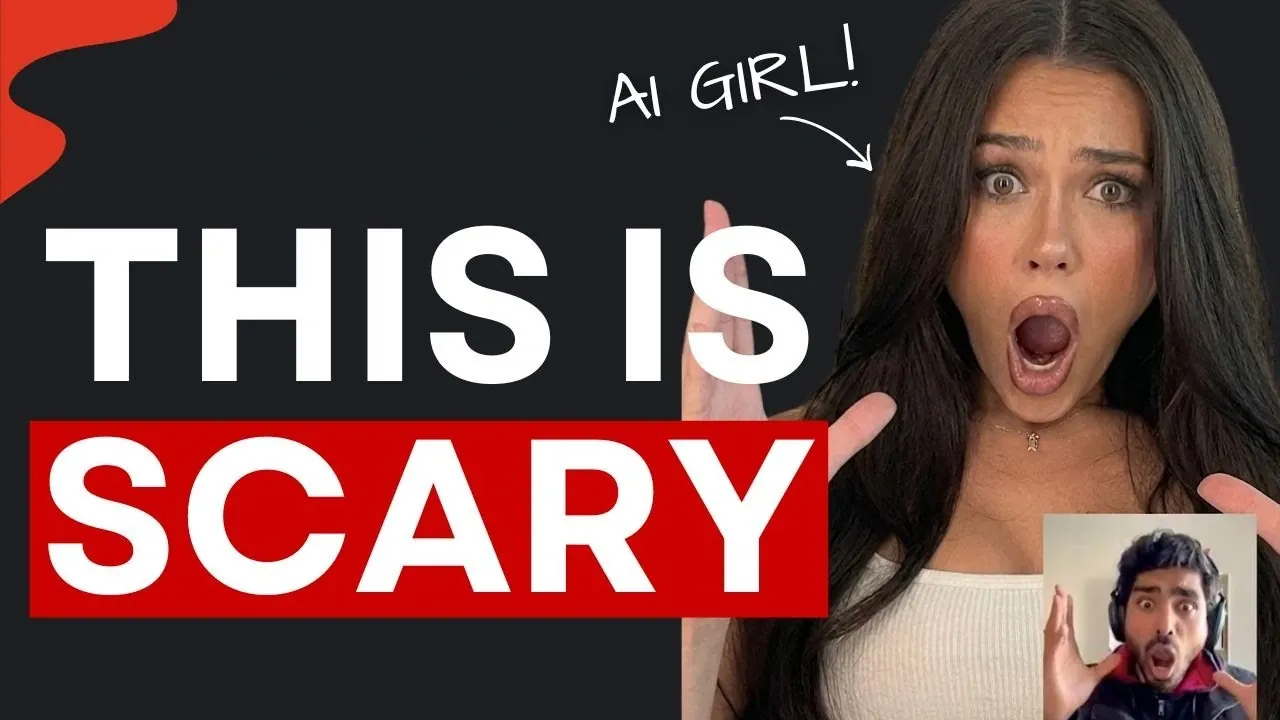
What if the person you’re chatting with online isn’t a person at all? Imagine scrolling through your favorite social media feed, captivated by a charismatic influencer, only to discover they’re not human. Universe of AI walks through how lifelike AI avatars are now so convincing, they’re blurring the line between reality and simulation. These digital personas, powered by innovative machine learning, can mimic human expressions, voices, and gestures with uncanny precision. At the same time, ChatGPT, one of the most popular AI platforms, has introduced ads into its interface, sparking debates about how monetization might reshape user trust and experience. Together, these developments are redefining how we interact with technology, but they also raise serious questions about ethics, transparency, and the future of digital spaces.
Explore the fascinating and sometimes unsettling world of AI avatars as well as ChatGPT’s evolving features, diving into their potential to transform creativity, communication, and commerce. You’ll discover how these avatars are being used in everything from virtual influencers to professional meetings, and why their increasing realism is both exciting and controversial. We’ll also unpack ChatGPT’s new subscription tiers, memory enhancements, and ad integrations, examining what these changes mean for accessibility and user experience. Whether you’re intrigued by the possibilities or concerned about the implications, this breakdown will leave you questioning what’s real, and what’s next.
AI Avatars: Blurring the Line Between Real and Artificial
TL;DR Key Takeaways :
- AI avatars have achieved near-human realism, allowing their use in virtual meetings, social media, and marketing, but raising concerns about authenticity and trust in digital interactions.
- OpenAI’s ChatGPT now offers tiered subscription plans, ranging from $8 to $200 per month, catering to diverse user needs with features like improved memory and faster responses.
- Advertising has been introduced in ChatGPT’s Free and Go tiers to support financial sustainability, though it raises questions about user trust and platform dynamics.
- Enhanced memory features in ChatGPT improve its ability to recall past conversations, benefiting tasks like project management and study, but do not increase its overall intelligence.
- The rapid evolution of AI technologies highlights ethical challenges, including the potential for misuse, digital equity concerns, and the need for transparency and robust safeguards.
AI-generated avatars have reached an extraordinary level of realism, making them nearly indistinguishable from real humans. Using advanced machine learning algorithms, these avatars can replicate human expressions, voices, and gestures with remarkable precision. This technological leap has given rise to “constructed realities,” where synthetic content seamlessly blends with real-world interactions, creating new opportunities and challenges.
These avatars are being deployed across diverse contexts, including virtual meetings, social media platforms, and marketing campaigns. For instance, virtual influencers, AI-generated personas, are gaining traction on platforms like Instagram, targeting niche audiences with tailored content. Some of these avatars even embody unique personas, such as virtual monks sharing philosophical insights or AI musicians producing original compositions. While these applications unlock creative and commercial potential, they also raise critical concerns about deception and authenticity. Users may unknowingly interact with AI avatars, mistaking them for real individuals, which complicates trust in digital interactions. This issue becomes particularly significant in professional, educational, or personal settings, where transparency is essential.
ChatGPT Updates: Subscription Tiers and Advertising
OpenAI’s ChatGPT platform has undergone significant updates, introducing new subscription tiers, advertising integration, and enhanced memory features. These changes aim to broaden the platform’s appeal and functionality, catering to a wide range of users while addressing the financial sustainability of the service.
- Subscription Tiers: ChatGPT now offers a tiered subscription model to meet diverse user needs. The entry-level “Go” tier, priced at $8 per month, provides features such as increased message limits, improved contextual understanding, and longer memory retention. For more advanced users, the Plus tier ($20/month) and Pro tier ($200/month) offer enhanced capabilities, including faster response times and greater performance. These options are designed to accommodate everyone from casual users to professionals requiring intensive AI support.
- Advertising Integration: OpenAI has introduced advertisements in the Free and Go tiers to support the platform’s financial model. These ads are clearly labeled and designed not to influence AI responses or compromise user privacy. While this approach ensures the platform’s sustainability, it raises questions about how advertising might affect user trust and the overall experience over time.
- Enhanced Memory Features: ChatGPT’s memory capabilities have been significantly improved, allowing the AI to recall details from past conversations more effectively. This feature is particularly beneficial for tasks such as fitness planning, academic study, or project management. However, it is important to note that these enhancements focus on better retrieval of shared information rather than increasing the AI’s overall intelligence or reasoning abilities.
These updates reflect OpenAI’s efforts to balance accessibility, functionality, and financial viability. However, they also highlight the potential trade-offs involved in monetizing AI services, particularly in terms of user experience and trust.
Lifelike AI Avatars are Fooling Everyone…

Take a look at other insightful guides from our broad collection that might capture your interest in AI avatars.
- Heygen vs. Synthesia: The Ultimate Guide to AI Avatar Software
- Create Realistic and Consistent Characters & AI Avatars with These
- How to Create Multilingual Digital Video Avatars Fast with Synthesia
- How to Create Professional UGC Adverts Using AI Avatars
- HeyGen 2.0 vs Synthesia – AI avatar features compared
- 10 Best AI avatar creators for humanlike presenters, tutors & more
- How to Create an AI Clone of Yourself for Video Creation
- Learn to Use The Sora App to Create Amazing AI Videos in Seconds
- AI Video Roundup: Kling 2.6 Adds Native Audio Support
- Animate 3D avatars in videos using Motionshop AI
Ethical and Practical Challenges
The rapid advancements in AI avatars and ChatGPT bring both opportunities and challenges to the forefront. One of the most pressing concerns is the issue of trust in digital interactions. As AI-generated avatars become more lifelike, distinguishing between real and artificial personas becomes increasingly difficult. This raises important questions about how users can verify the authenticity of their interactions, especially in sensitive contexts such as online education, customer service, or personal relationships. The potential for misuse, such as impersonation or the spread of misinformation, underscores the need for robust safeguards and clear ethical guidelines.
Monetization strategies, such as subscription tiers and advertising, also present a complex dilemma. While these approaches ensure the financial sustainability of platforms like ChatGPT, they introduce risks of exploitation and shifting priorities. For instance, the integration of ads, even when transparent, could subtly influence user engagement and platform dynamics. Similarly, the tiered subscription model may create disparities in access to advanced AI capabilities, raising questions about digital equity.
Balancing Innovation and Responsibility
AI avatars and platforms like ChatGPT represent a fantastic step forward in technology, offering unprecedented capabilities that are reshaping how people interact, communicate, and create. However, these advancements also come with significant ethical, practical, and economic implications. The increasing realism of AI avatars challenges traditional notions of authenticity, while the monetization of AI services introduces new considerations about accessibility and trust.
As these tools become more integrated into everyday life, it is crucial to strike a balance between innovation and responsibility. This involves not only developing robust safeguards to prevent misuse but also fostering transparency and accountability in how AI is deployed. The future of AI will depend on how effectively society navigates these complexities, making sure that technological progress aligns with ethical principles and serves the broader interests of humanity.
Media Credit: Universe of AI
Disclosure: Some of our articles include affiliate links. If you buy something through one of these links, Geeky Gadgets may earn an affiliate commission. Learn about our Disclosure Policy.
