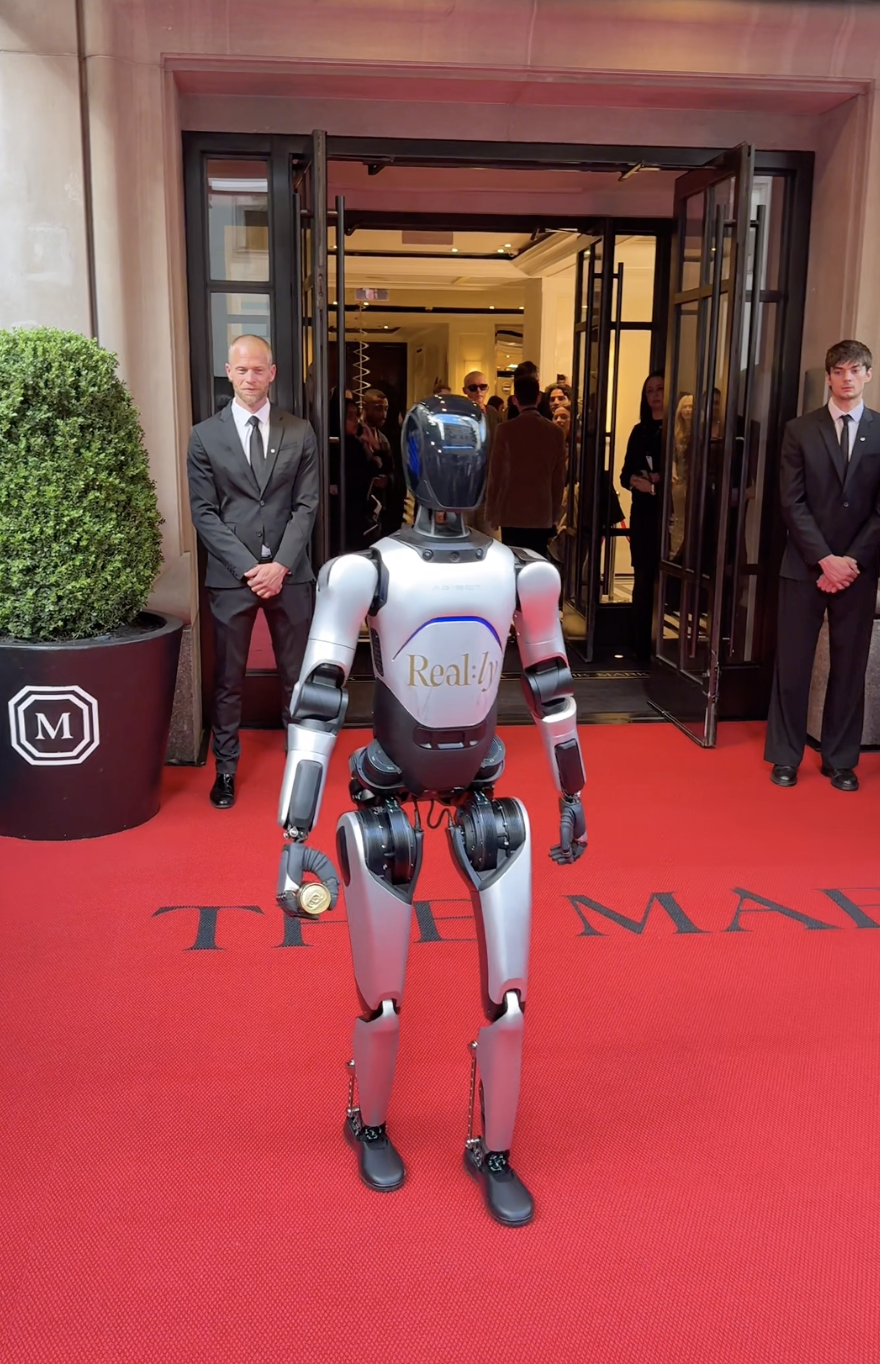
Humanoid robotics company AGIBOT made one of the more unexpected technology appearances of 2026 this week at the Met Gala, bringing its full-scale AGIBOT A2 humanoid robot alongside designer Alexander Wang during the events surrounding fashion’s biggest night in New York City.
The appearance took place around The Mark Hotel, the well-known gathering point for celebrities, designers, stylists, photographers, and media ahead of the Met Gala red carpet. According to AGIBOT, the A2 participated in public-facing interactions throughout the evening, including beverage delivery, object handling, guest engagement, and movement through dynamic crowd environments.
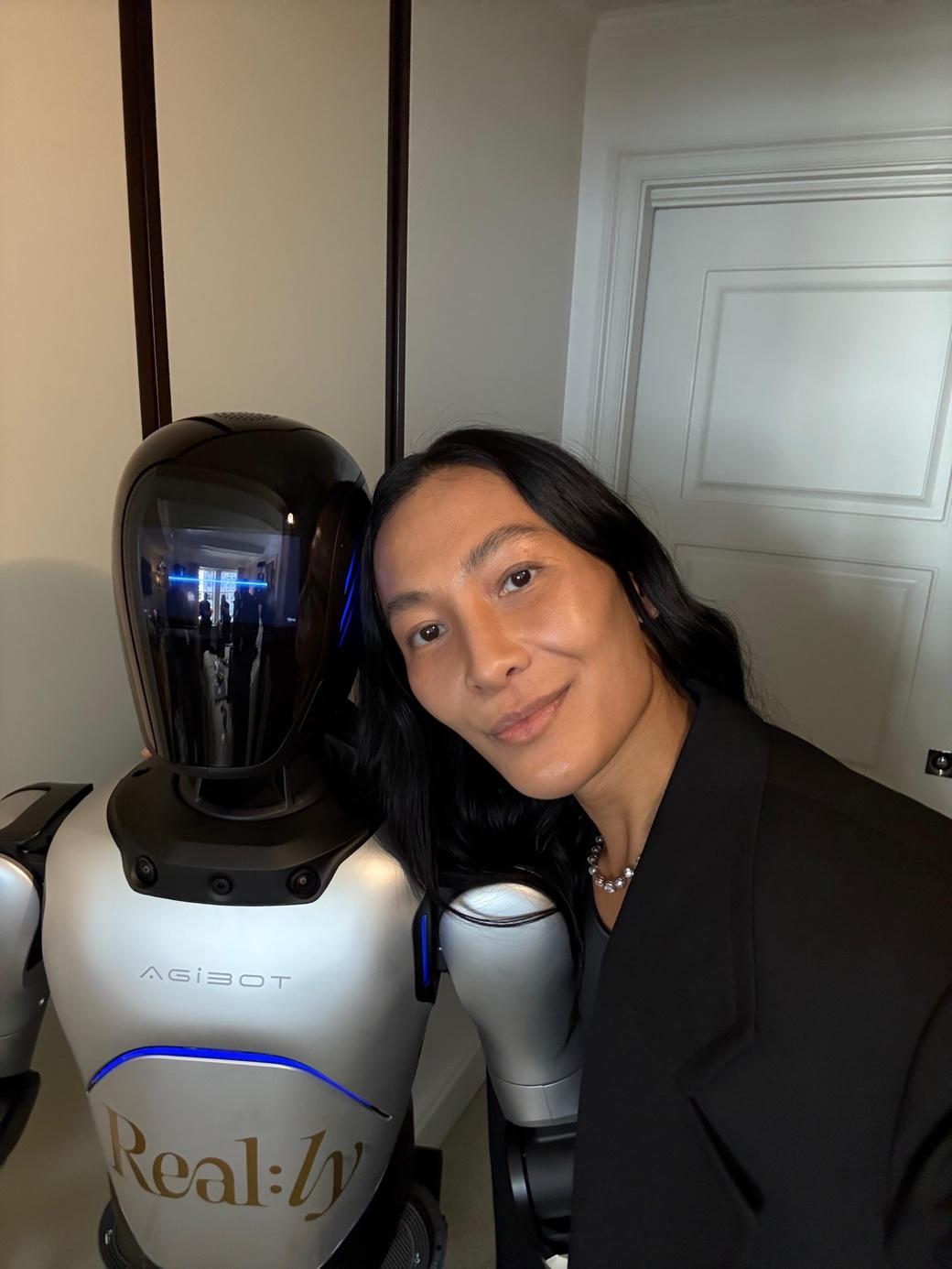
The collaboration generated widespread social coverage across fashion and technology channels following its debut.
A2 Ultra Was Designed for Real-World Human Environments
The AGIBOT A2 Ultra is a full-size humanoid robot developed for embodied AI applications across commercial, industrial, and public interaction scenarios. According to the company, the robot combines bipedal locomotion, dexterous manipulation, environmental perception, and natural human interaction systems into a deployable real-world platform.
The A2 Ultra is positioned around what the company calls “general embodied intelligence,” meaning the robot is designed to operate across multiple types of environments rather than being confined to a single repetitive task workflow.
That distinction becomes important in settings like the Met Gala, where movement patterns, lighting conditions, crowd density, and interaction demands constantly shift throughout the evening.
The robot’s perception stack enables it to interpret surrounding environments while maintaining stable navigation and interaction behaviors in real time. During the event, A2 maneuvered through open public spaces while interacting with guests and carrying branded beverages connected to Alexander Wang’s new “REAL:LY” energy drink launch.
Embodied AI Continues Expanding Beyond Industrial Robotics
The Met Gala activation highlighted a broader shift currently happening across the robotics industry.
Humanoid robotics development has accelerated significantly over the last several years as companies push toward systems capable of operating in mixed human environments. That includes factories, logistics centers, retail spaces, hospitality venues, healthcare settings, exhibitions, and entertainment environments.
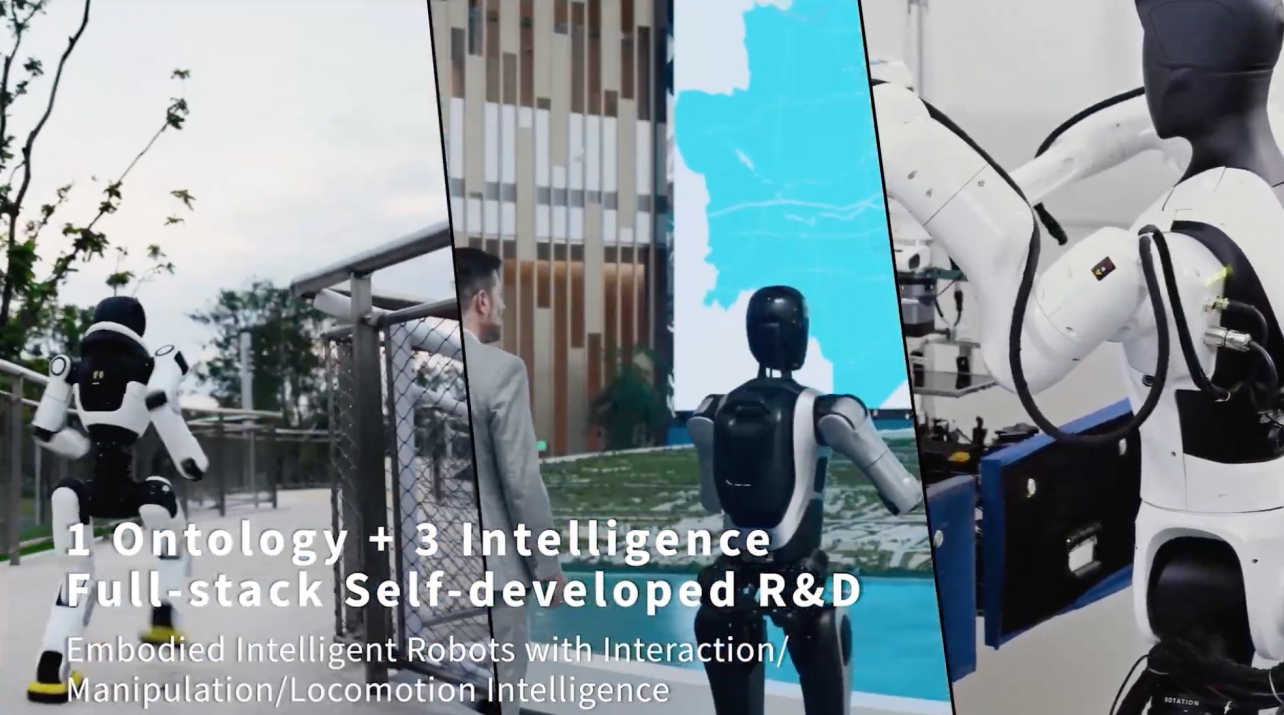
AGIBOT’s approach centers on what it calls “1 Robotic Body, 3 Intelligence,” integrating interaction intelligence, manipulation intelligence, and locomotion intelligence into a single embodied platform.
The company’s long-term goal is to deploy at scale across major application scenarios rather than through isolated demonstrations. And the Met Gala environment provided an unusually visible test case for that concept.
The activation placed A2 into a live environment filled with photographers, crowds, flashing lights, unpredictable movement, and ongoing social interaction. Those kinds of variables represent some of the more difficult challenges in embodied AI development because the robot must continuously process environmental data while maintaining stability, responsiveness, and interaction accuracy.
AGIBOT describes its philosophy as “liberating creativity and enhancing productivity,” emphasizing robotics systems that function as collaborative tools inside human-centered workflows.
Fashion and Robotics Are Finding Common Ground
The partnership with Alexander Wang reflects an ever-growing overlap among technology, fashion, and experiential design.
Fashion production environments already involve extensive logistics coordination, material handling, rapid iteration cycles, and large-scale event execution. AGIBOT’s campaign materials outline future applications for humanoid systems in areas such as backstage preparation, material organization, personalized recommendation systems, and creative assistance workflows.
The company also frames embodied AI as part of the future creative process, where robots assist in translating concepts into interactive physical experiences and accelerating production workflows.
Alexander Wang’s collaboration with AGIBOT additionally carried broader cultural significance tied to Chinese innovation and global technology visibility. Campaign materials repeatedly describe the appearance as a milestone moment for Chinese robotics and embodied AI on one of fashion’s most internationally recognized stages.
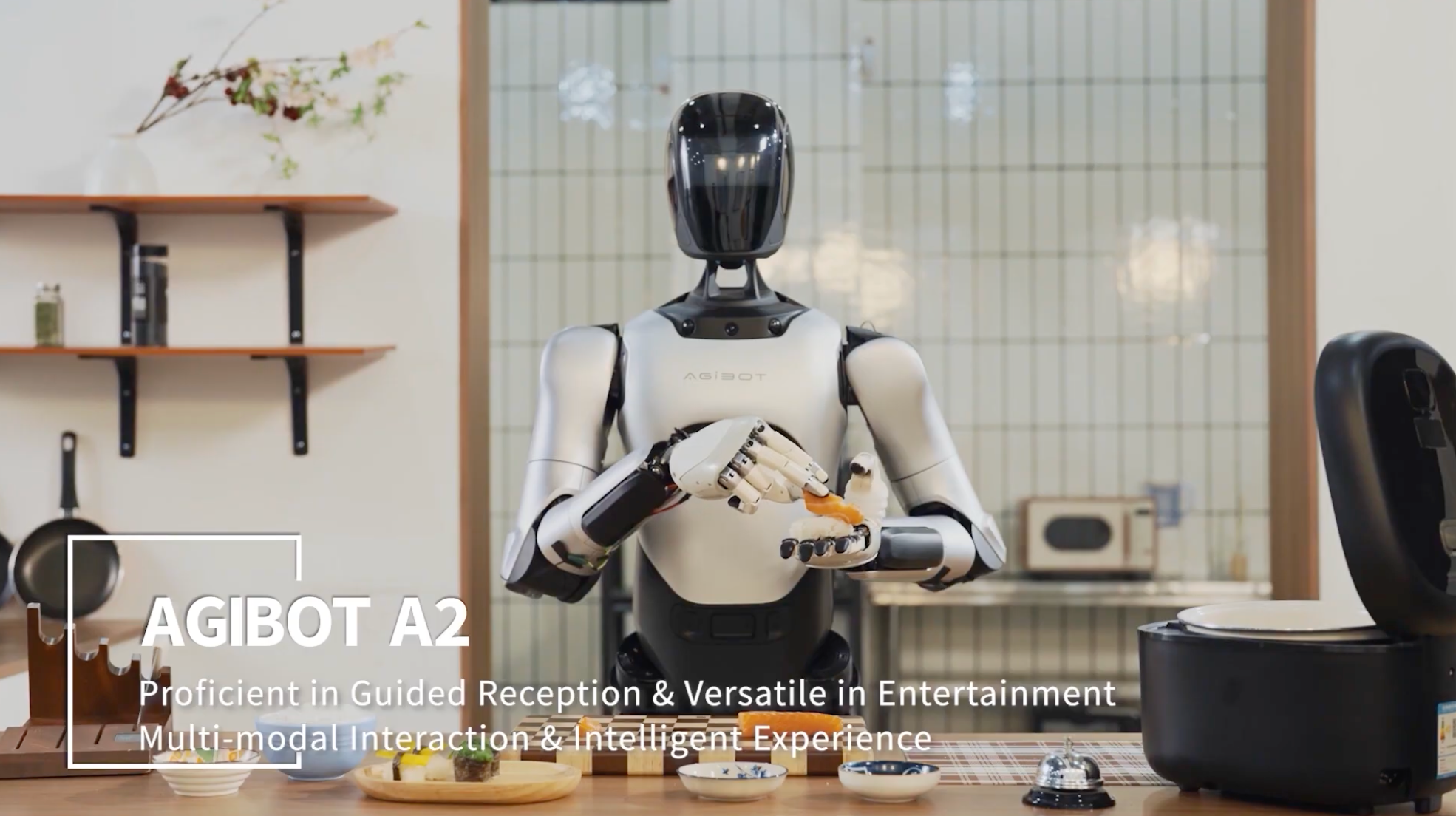
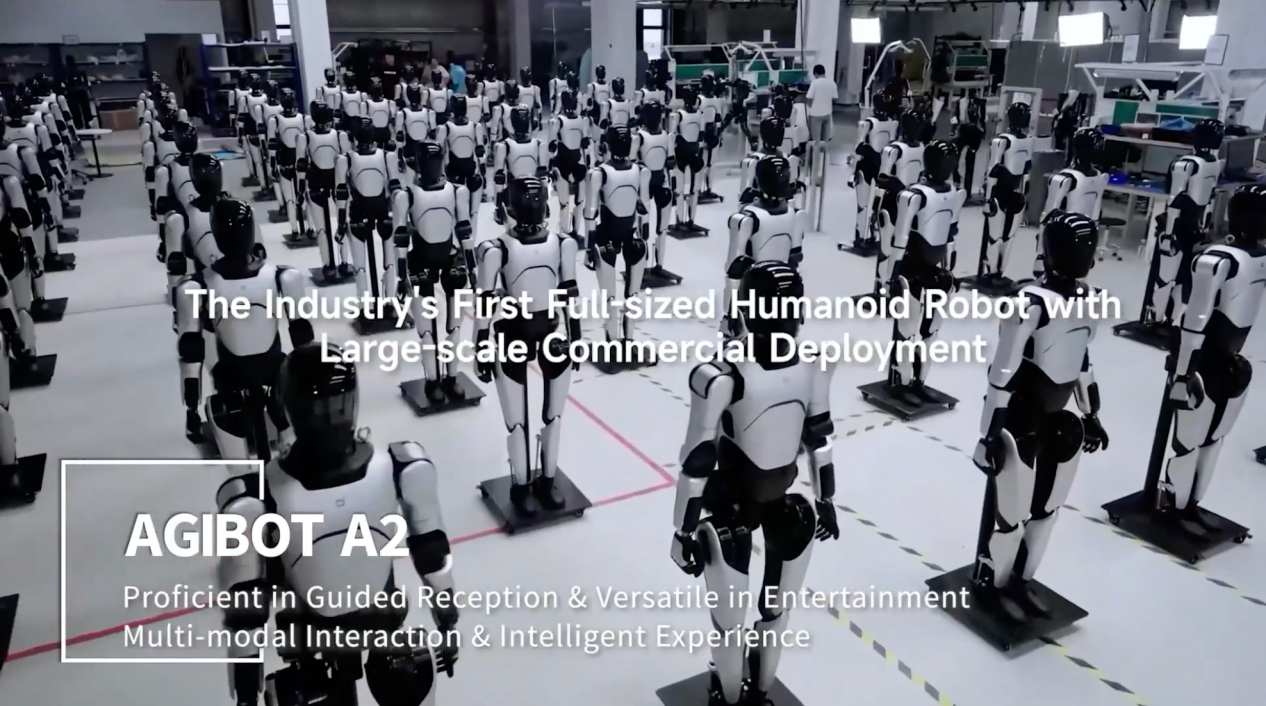
AGIBOT recently announced the rollout of its 10,000th robot, marking a major production milestone for the company as humanoid robotics continues moving toward larger-scale commercialization.
With appearances spanning industrial environments, public demonstrations, and now one of the world’s most photographed cultural events, AGIBOT is for sure positioning the A2 Ultra as a humanoid platform built for participation in real-world human environments at scale.
To stay up to date, head over to the AGIBOT site for the latest updates.
Disclosure: Some of our articles include affiliate links. If you buy something through one of these links, Geeky Gadgets may earn an affiliate commission. Learn about our Disclosure Policy.
