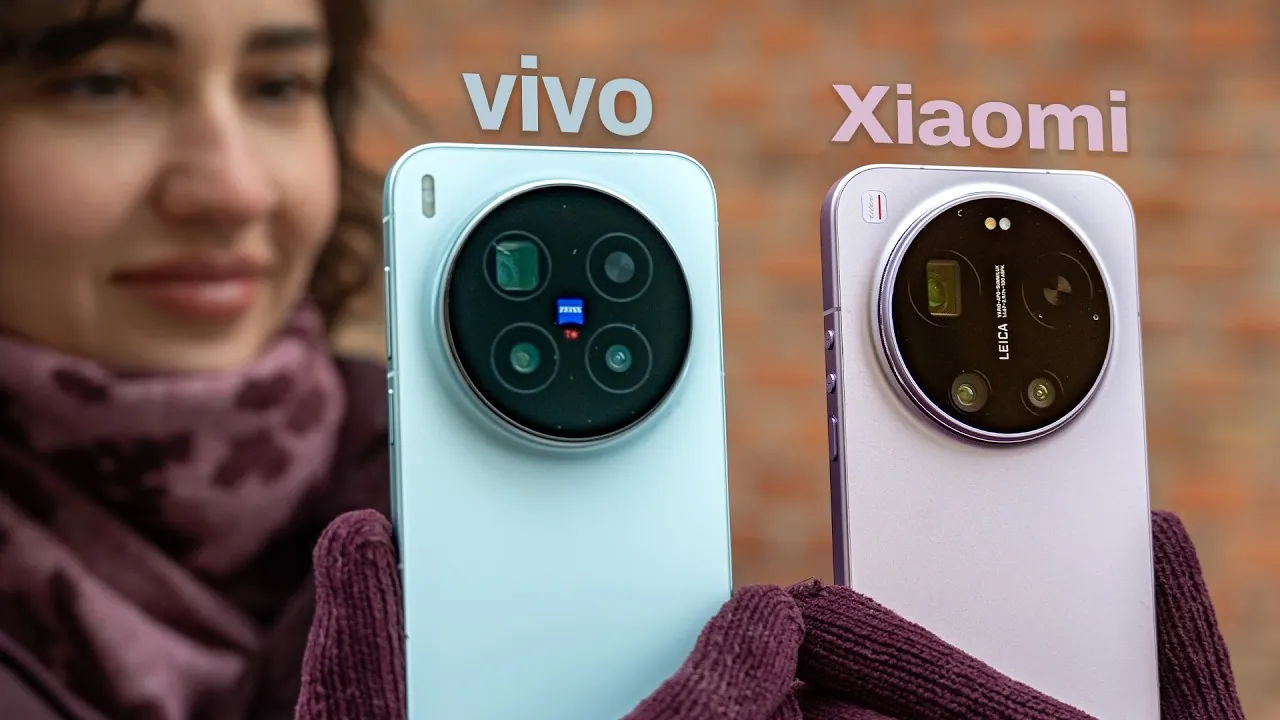
The Xiaomi 17 Ultra and vivo X300 Pro represent two of the most advanced smartphones available in 2026, each designed to cater to users seeking top-tier performance, innovative features, and exceptional photography capabilities. While Xiaomi focuses on innovative hardware and bold design, Vivo emphasizes refined software, stabilization, and user-centric features. This detailed comparison video below from Techmo will help you evaluate their strengths and weaknesses, making sure you choose the device that best aligns with your needs.

Camera Features: Hardware Innovation vs. Software Refinement
Photography remains a defining feature for both devices, but their approaches differ significantly. The Xiaomi 17 Ultra is equipped with a 1-inch sensor and continuous optical zoom (75-100mm), delivering outstanding bokeh effects and dynamic range. These features make it particularly appealing for portrait photography enthusiasts who value hardware-driven image quality. In contrast, the vivo X300 Pro relies on a fixed 85mm telephoto lens, but it compensates with advanced stabilization and natural color accuracy, making it ideal for users who prioritize consistency and realism.
Color processing further distinguishes these smartphones. Xiaomi leans toward vibrant, magenta-rich tones, which can make images appear more striking but less natural. Vivo, on the other hand, emphasizes greenish hues and superior shadow detail, resulting in more lifelike images. Both devices excel in ultra-wide photography, but Vivo’s lens correction and light-gathering capabilities provide a slight edge in capturing distortion-free, well-lit shots.
In night photography, the differences become more apparent. Vivo retains background detail better, producing balanced low-light images, while Xiaomi focuses on brighter exposure for human subjects, making it more suitable for portraits in dim environments. For macro and telephoto photography, both devices perform impressively, though subtle variations in exposure and detail retention may influence your preference.
Video Stabilization and Performance
For video enthusiasts, the Xiaomi 17 Ultra and vivo X300 Pro offer distinct advantages. Xiaomi’s larger sensor creates a cinematic bokeh effect, adding depth and drama to your footage. However, its stabilization struggles during movement, which can result in less consistent video quality. Vivo, with its advanced stabilization technology, excels in delivering smoother footage, even in challenging conditions such as low light or fast-paced action scenes.
Whether you’re capturing handheld videos or dynamic action shots, Vivo’s stabilization ensures reliable performance. Xiaomi’s video capabilities, while impressive in static or controlled environments, may require additional equipment, such as a gimbal, to achieve similar results during motion-heavy recording.
Battery Life and 5G Efficiency
Battery performance is a critical consideration for modern smartphones, and both devices deliver dependable results. The Xiaomi 17 Ultra features a 6800mAh battery, slightly larger than Vivo’s 6510mAh. However, real-world usage reveals that Vivo demonstrates better efficiency during 5G-intensive tasks, such as streaming, gaming, or video calls. This efficiency makes Vivo a more reliable option for users who frequently rely on 5G connectivity.
Both smartphones provide all-day battery life, making sure they can handle demanding tasks without frequent recharging. Additionally, both devices support fast charging, allowing users to quickly replenish their batteries when needed.
Performance: Snapdragon vs. MediaTek
Under the hood, the Xiaomi 17 Ultra is powered by the Snapdragon 8 Gen 5, while the vivo X300 Pro features the MediaTek Dimensity 9500. Xiaomi’s processor leads in CPU benchmarks, offering faster processing speeds for multitasking and resource-intensive applications. This makes it an excellent choice for users who prioritize raw performance and productivity.
However, Vivo’s GPU performance surpasses Xiaomi’s, making it the better option for gaming and graphics-intensive tasks. Whether you’re playing demanding mobile games or editing videos, Vivo’s GPU ensures smoother visuals and faster rendering times. Both devices include advanced cooling systems to prevent overheating during prolonged use, making sure consistent performance.
Software and User Experience
Both smartphones run Android-based operating systems, tailored to enhance user experience. Xiaomi’s HyperOS and Vivo’s OriginOS are designed for smooth navigation, customization, and intuitive controls. Vivo stands out with unique photography software features, including film simulation modes and street photography tools, catering to creative users who enjoy experimenting with their shots.
Xiaomi counters with a cinema mode, allowing professional-grade video capture with advanced controls over exposure, focus, and frame rates. Both systems are polished and user-friendly, offering a seamless experience for everyday tasks and creative pursuits alike.
Build Quality and Design
Design preferences often come down to personal taste, and these devices offer distinct aesthetics. The Xiaomi 17 Ultra features a larger 6.9-inch display with a bold camera bump, giving it a striking and futuristic appearance. In contrast, the vivo X300 Pro opts for a sleeker, more compact design with a 6.78-inch screen, appealing to users who prefer a more understated look.
Both smartphones are IP68-rated for water and dust resistance, making sure durability in various environments. Additionally, they include pre-installed screen protectors, cases, and chargers, providing added convenience and value for users.
Choosing the Right Smartphone for Your Needs
The Xiaomi 17 Ultra and vivo X300 Pro cater to different priorities, making your choice dependent on your specific preferences and lifestyle. Xiaomi excels in hardware innovation, offering a larger sensor, continuous optical zoom, and creative flexibility for photography enthusiasts. Vivo, on the other hand, shines in stabilization, natural color processing, and software features tailored for photographers and videographers.
Both smartphones are powerful and versatile, making sure they can meet the demands of modern users. Whether you prioritize innovative hardware or refined software, these devices represent the pinnacle of smartphone technology in 2026, leaving you to decide which aligns best with your unique requirements.
Here is a selection of other guides from our extensive library of content you may find of interest on Xiaomi 17 Ultra Camera Sensor.
- Xiaomi 17 vs Galaxy S25 vs Pixel 10 vs iPhone 17
- How Durable is the Xiaomi 17 Pro?
- Xiaomi 15 Ultra vs. Samsung S25 Ultra: Camera Showdown
- Samsung Galaxy S26 Ultra Camera Details Revealed
- Samsung Galaxy S26 Ultra: Camera, Design, and Performance
Source & Image Credit: Techmo
Disclosure: Some of our articles include affiliate links. If you buy something through one of these links, Geeky Gadgets may earn an affiliate commission. Learn about our Disclosure Policy.
