Wahoo has introduced a dedicated fitness app for the Apple Watch, aiming to cater to runners, cyclists and endurance athletes. Designed to integrate with Wahoo’s ecosystem, the app offers features like structured workout scheduling, customizable data fields and compatibility with heart rate monitors and power meters. However, as DC Rainmaker highlights, the app’s advanced capabilities, such as detailed training load analysis, are locked behind a subscription model. Additionally, the absence of features like running plans or comprehensive recovery tracking may limit its appeal for athletes seeking a more holistic training experience.
Dive into this breakdown to explore how the app’s customizable metrics can enhance your training sessions and why its sensor integration may be a valuable asset for precision-focused athletes. You’ll also gain insight into its compatibility with Wahoo hardware, such as the KICKR treadmill and the trade-offs involved with its subscription-based features. By the end, you’ll have a clear understanding of whether this app aligns with your fitness needs and goals.
Features of the Wahoo Fitness App
TL;DR Key Takeaways :
- The Wahoo fitness app is designed for Apple Watch users, focusing on runners, cyclists and endurance athletes, with features like sensor integration, structured workouts and customizable data fields.
- It offers seamless compatibility with Wahoo hardware, such as the KICKR treadmill and supports activities like walking, gym workouts and treadmill sessions.
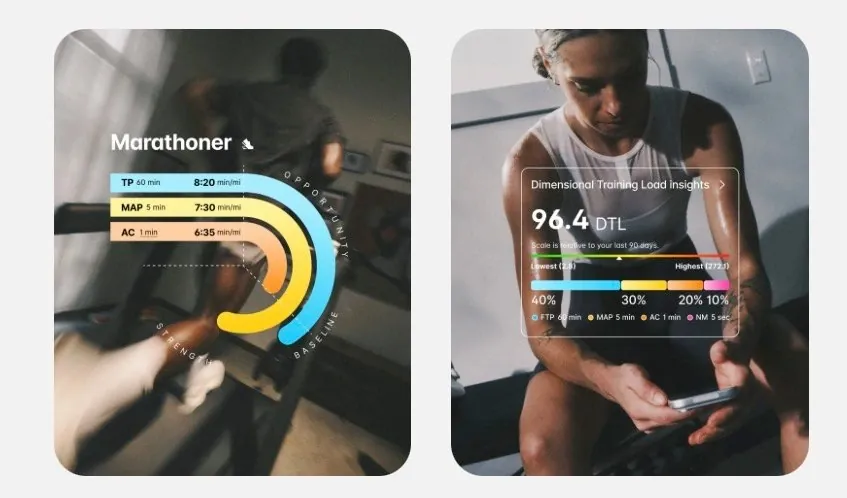
- Key strengths include extensive customization, sensor compatibility (heart rate monitors, power meters, cadence sensors), and dimensional training load analysis for performance optimization.
- Limitations include the absence of running plans, limited activity support beyond running and cycling, a subscription model for advanced features and minimal sleep/recovery tracking.
- To enhance its appeal, Wahoo could introduce running plans, expand activity metrics and integrate holistic health tracking, positioning itself as a more versatile fitness solution in a competitive market.
The Wahoo fitness app is tailored for endurance athletes, with a primary focus on running and cycling. However, it also supports a variety of other activities, including:
- Walking
- Gym workouts
- Treadmill sessions (especially when paired with Wahoo’s KICKR treadmill)
One of the app’s most notable features is its extensive customization. Users can configure data fields and pages to display the metrics most relevant to their training. This level of personalization ensures that the app adapts to individual needs, making it a practical tool for athletes with specific performance goals.
Another key strength is its sensor integration. The app is compatible with heart rate monitors, power meters and cadence sensors, allowing precise data collection. This is particularly beneficial for athletes aiming to fine-tune their training and optimize performance. Additionally, the app supports structured workout scheduling, allowing users to plan and execute sessions aligned with their fitness objectives.
What Sets the App Apart
The Wahoo fitness app distinguishes itself from the default Apple Watch fitness app through several unique features:
- Customization: The app allows users to prioritize the metrics that matter most to their training, offering a tailored experience.
- Integration: Seamless compatibility with Wahoo’s hardware, such as the KICKR treadmill, makes it an attractive option for users already invested in the Wahoo ecosystem.
- Free Basic Features: Users can record and view workouts at no cost, making the app accessible for casual fitness enthusiasts.
- Dimensional Training Load: This feature provides detailed insights into running and cycling performance, helping athletes manage training intensity and recovery effectively.
These features make the app particularly appealing to endurance athletes who value detailed performance metrics and compatibility with specialized equipment. Its ability to integrate with Wahoo’s hardware ecosystem further enhances its utility for users seeking a cohesive training solution.

Discover other guides from our vast content that could be of interest on fitness trackers.
- Amazfit Helio Strap Pro Unveils a Triple-Position Sensor System
- How Amazfit’s AI Coaching and Bio Charge Score Optimize Your Rest Days
- Garmin CIRQA Offers a Screenless $199 Alternative to Oura Ring
- Google and WHOOP Should Be Worried About Apple’s Rumored ‘Watch Air’
- Garmin CIRQA vs WHOOP 5.0: Which Fitness Tracker Should You Buy?
- Screenless Garmin CIRQA for Unobtrusive Fitness Tracking with a $199 Price Tag
- Google Fitbit Air: Why a Screenless Tracker is the Perfect Smartwatch Antidote
- £180 Garmin CIRQA Smart Band Requires No Subscription
- Garmin CIRQA vs Fitbit Air: $200 Premium Beats $100 Value
- Optional Garmin Connect Plus Adds AI Insights to Garmin CIRQA
Limitations to Consider
Despite its strengths, the Wahoo fitness app has several limitations that may affect its appeal:
- No Running Plans: The absence of dedicated running plans may deter users preparing for marathons or other races.
- Limited Activity Support: While running and cycling are well-supported, other activities like gym workouts or walking receive less robust metrics, reducing the app’s versatility.
- Subscription Model: Advanced features, such as training load analysis and access to structured workout libraries, require a subscription, which may not appeal to budget-conscious users.
- Sleep and Recovery Metrics: The app’s limited integration of sleep and recovery tracking makes it less suitable for users seeking a more holistic health overview.
These gaps may limit the app’s attractiveness to athletes who prioritize comprehensive training plans or holistic health tracking. Addressing these shortcomings could significantly enhance the app’s value proposition.
Opportunities for Improvement
To broaden its appeal and better serve its target audience, Wahoo could consider implementing the following enhancements:
- Develop Running Plans: Introducing comprehensive running plans, particularly those aligned with its treadmill offerings, would provide a more cohesive training experience for runners.
- Expand Activity Support: Adding robust metrics for activities beyond running and cycling could attract multi-sport athletes and casual fitness enthusiasts.
- Integrate Daily Metrics: Incorporating sleep and recovery data into the app would create a more holistic experience, allowing users to monitor overall well-being alongside performance metrics.
By addressing these areas, Wahoo could position its app as a more versatile and comprehensive solution for endurance athletes and fitness enthusiasts alike.
Competitive Landscape and Market Position
The Wahoo fitness app enters a competitive market dominated by free and low-cost fitness apps. However, its focus on endurance sports and seamless integration with Wahoo’s hardware ecosystem gives it a distinct edge. For Apple Watch users seeking a specialized fitness app, Wahoo’s offering fills a niche within the ecosystem.
That said, the app must continue to evolve to remain competitive. Many established players in the fitness app market provide more comprehensive features, such as integrated recovery metrics and broader activity support. By addressing its current limitations and expanding its feature set, Wahoo has the potential to solidify its position as a go-to solution for endurance athletes and fitness enthusiasts.
Media Credit: DC Rainmaker
Disclosure: Some of our articles include affiliate links. If you buy something through one of these links, Geeky Gadgets may earn an affiliate commission. Learn about our Disclosure Policy.
