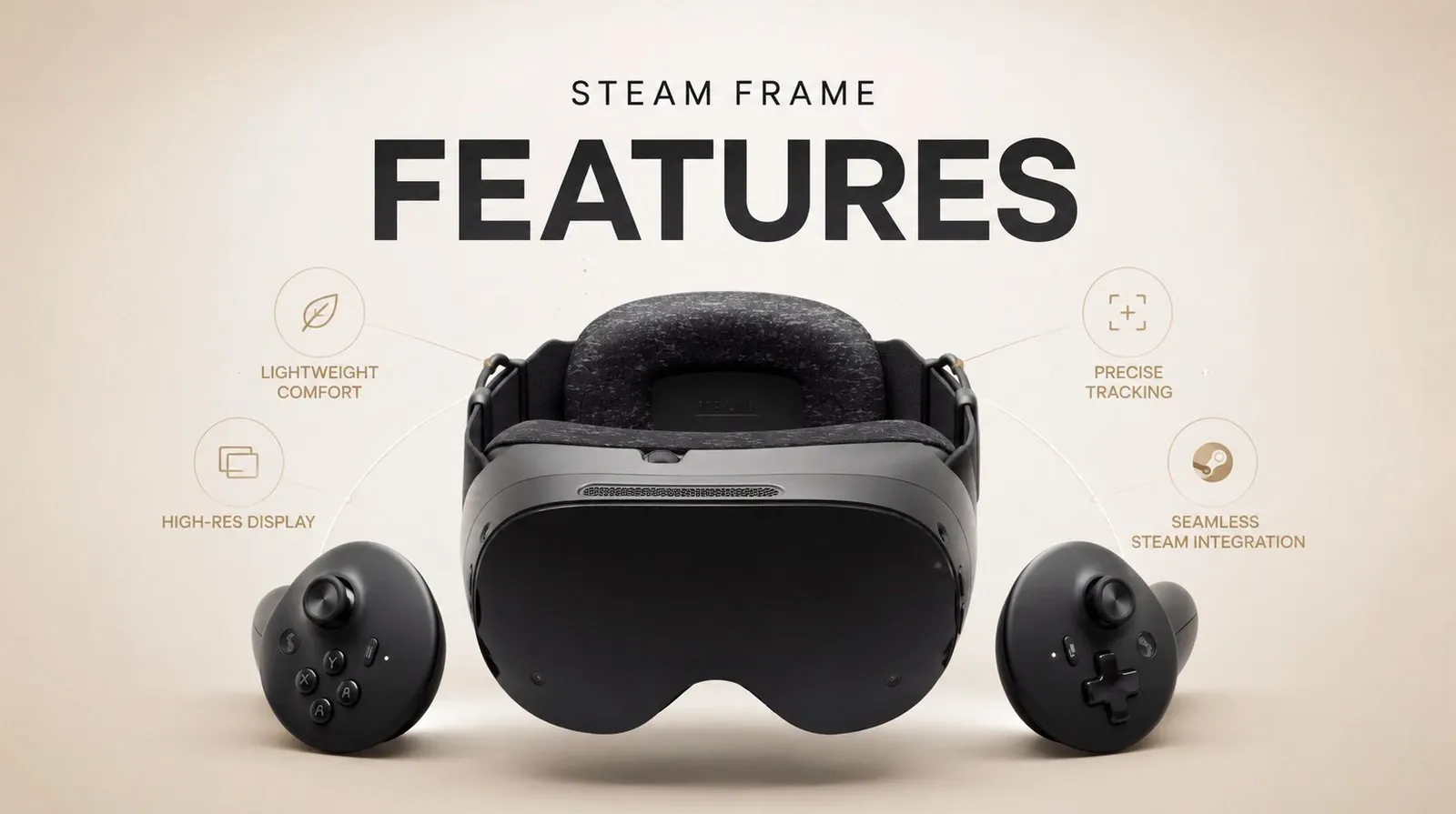
The Valve Steam Frame stands out as a compact yet capable device that bridges the gap between standalone VR systems and lightweight gaming PCs. With its ARM-based architecture and Snapdragon 8 Gen 3 chip, it supports a variety of gaming styles, from retro console emulation to standalone VR experiences. Virtual Chap highlights how the Steam Frame caters to users seeking a portable gaming solution, offering features like eye-tracking for enhanced VR gameplay and a dedicated 6 GHz wireless dongle for low-latency PC game streaming. While it isn’t designed to replace high-end gaming setups, its ability to handle tasks like emulating PS2 and GameCube games makes it particularly appealing to retro gaming enthusiasts.
Explore how the Steam Frame balances portability and performance, delivering smooth gameplay for lightweight indie titles and older 3D games. You’ll also gain insight into its VR capabilities, including how eye-tracking improves image quality during intense gaming sessions. Additionally, this guide covers practical considerations like battery life and comfort, helping you understand whether the Steam Frame aligns with your gaming needs.
Features and Hardware
TL;DR Key Takeaways :
- The Valve Steam Frame is a versatile gaming device that bridges standalone VR headsets and compact gaming PCs, offering retro gaming emulation, PC game streaming and standalone VR experiences.
- Powered by a Snapdragon 8 Gen 3 chip and 16 GB of RAM, it excels in retro gaming emulation for platforms like PS1, GameCube and PS2, while also supporting lightweight indie games and modern PC game streaming via a 6 GHz wireless dongle.
- Its advanced features, including eye-tracking technology and wireless connectivity, enhance both VR and streaming experiences, making sure low latency and high visual fidelity.
- The Steam Frame is designed for comfort and usability, with a lightweight, ergonomic build and customizable Linux-based software, appealing to both casual gamers and tech-savvy modders.
- Limitations include black-and-white passthrough visuals, inside-out tracking instead of lighthouse tracking and limited battery life for standalone VR gaming, which may not satisfy all users’ expectations.
At the core of the Steam Frame is the Snapdragon 8 Gen 3 ARM-based chip, paired with 16 GB of RAM. This hardware configuration ensures efficient performance across a variety of applications, from retro gaming to lightweight PC games. The device is optimized for emulating classic consoles, including the PS1, PSP, Dreamcast, GameCube, Wii and PS2, offering a nostalgic haven for retro gaming enthusiasts.
In addition to its emulation capabilities, the Steam Frame supports standalone VR gaming and lightweight indie titles, striking a balance between portability and performance. Its hardware is designed to handle these tasks smoothly, making it an ideal choice for gamers who prioritize convenience without sacrificing quality. The inclusion of eye-tracking technology and wireless connectivity further enhances its appeal, making sure a seamless and immersive gaming experience.
Gaming Capabilities
The Steam Frame delivers a diverse range of gaming experiences, catering to various preferences and gaming styles. Its capabilities can be categorized into three primary areas:
- Retro Gaming: The Steam Frame excels in emulating classic games, allowing users to revisit beloved titles from platforms like the PS1 and GameCube. With robust emulation support and optimized hardware, it ensures smooth performance for older games, making it a favorite among retro gaming enthusiasts.
- Flat Games: While not designed for demanding AAA games, the device handles lightweight indie games and older 3D titles effortlessly. This makes it a practical option for casual gamers who enjoy less resource-intensive games.
- Modern Games: For more resource-intensive titles, the Steam Frame utilizes a dedicated 6 GHz wireless dongle to stream PC games with minimal latency. This feature ensures a seamless and responsive experience, even for modern games that require higher performance.

Browse through more resources below from our in-depth content covering more areas on Valve’s upcoming Steam Frame.
- Steam Frame vs Quest 3 : Why Valve Completely Outperforms Meta
- Inside Valve’s Bold Strategy for the Standalone Steam Frame VR
- Valve Confirms Summer 2026 Release Window for Steam Machine and Steam Frame
- Why Valve’s New Steam Frame is a Major Shift for PC Gamers
- What Valve’s Leaks Reveal About the New Steam Frame VR Headset
- New SteamOS Update Reveals Details About Valve’s Upcoming Steam Machine
- Latest Leaked Clues Pointing to Valve’s Steam Machine Launch Date
- Why Valve’s New Steam Machine Is Taking Direct Aim at the PS5
- What Valve’s Latest Hardware Leaks Reveal About the Modular Steam Machine
- Why Valve’s New Steam OS Update Completely Changes How You Use Your Deck
VR Performance
The Steam Frame’s VR capabilities are a standout feature, rivaling those of the Meta Quest 3 while offering some notable enhancements. Powered by the Snapdragon 8 Gen 3 chip and 16 GB of RAM, it delivers smooth standalone VR performance, allowing users to explore immersive virtual worlds and engage in fast-paced VR gameplay.
Eye-tracking technology further improves the VR experience by improving image quality and reducing latency during streaming. This ensures that the visuals remain sharp and responsive, even during high-intensity gaming sessions. Whether you are a casual VR user or a dedicated enthusiast, the Steam Frame provides a reliable and engaging platform for virtual reality gaming.
Streaming and Connectivity
Streaming is one of the Steam Frame’s most impressive features, designed to meet the needs of gamers who prioritize high-quality performance. The device comes equipped with a dedicated 6 GHz wireless dongle that minimizes latency, allowing smooth and responsive PC game streaming. This ensures that users can enjoy their favorite PC games without noticeable delays or interruptions.
The inclusion of eye-tracking technology complements the streaming capabilities by optimizing data usage and enhancing visual fidelity. This combination makes the Steam Frame a strong choice for gamers who value seamless connectivity and high-quality streaming, whether they are playing modern titles or revisiting classic games.
Comfort and Design
The Steam Frame is thoughtfully designed with comfort in mind, making sure that users can enjoy extended gaming sessions without discomfort. Its lightweight build and ergonomic design make it easy to wear for long periods, while the battery placement on the back strap helps distribute weight evenly. This reduces strain on the head and neck, allowing users to focus entirely on their gaming experience.
The device’s design also emphasizes practicality, with intuitive controls and a user-friendly interface that enhances the overall experience. Whether you are gaming at home or on the go, the Steam Frame’s design ensures that comfort and usability are never compromised.
Limitations to Consider
While the Steam Frame offers a wide range of features and capabilities, it is not without its limitations. These include:
- Passthrough Visuals: The passthrough feature for mixed reality is limited to black-and-white visuals, which may not meet the expectations of users accustomed to the color passthrough offered by competitors like the Quest 3.
- Tracking System: The device relies on inside-out tracking rather than lighthouse tracking, which may not satisfy the preferences of hardcore VR users who demand more precise tracking systems.
- Battery Life: The battery life for standalone VR gaming is limited, requiring careful management during longer sessions. This could be a drawback for users who prioritize extended playtime without interruptions.
Modding and Customization
One of the Steam Frame’s most appealing aspects is its openness to customization. Similar to the Steam Deck, it supports Linux-based applications and emulators, giving users the freedom to modify and tailor the device to their preferences. This flexibility makes it particularly attractive to tech-savvy users who enjoy experimenting with hardware and software modifications.
The ability to customize the Steam Frame extends its functionality beyond gaming, allowing users to explore a variety of applications and configurations. Whether you are a casual gamer or a dedicated tinkerer, the device’s modding capabilities provide endless possibilities for personalization and enhancement.
Who is It For?
The Valve Steam Frame is designed to cater to a broad audience, offering features and capabilities that appeal to a wide range of users:
- Retro Gaming Enthusiasts: Its robust emulation capabilities make it an excellent choice for those who want to relive classic gaming experiences.
- VR Users: With its standalone performance and advanced streaming features, it is a solid option for VR enthusiasts seeking a reliable and versatile device.
- Modding Enthusiasts: Its flexibility and support for customization make it particularly appealing to users who enjoy tweaking and personalizing their devices.
While the Steam Frame may not replace high-end gaming setups, its unique combination of features and capabilities makes it a valuable addition to the gaming ecosystem. Whether you are a retro gamer, a VR enthusiast, or a tech-savvy tinkerer, the Valve Steam Frame offers something for everyone, blending portability, performance and customization into a single, versatile device.
Media Credit: Virtual Chap
Disclosure: Some of our articles include affiliate links. If you buy something through one of these links, Geeky Gadgets may earn an affiliate commission. Learn about our Disclosure Policy.
