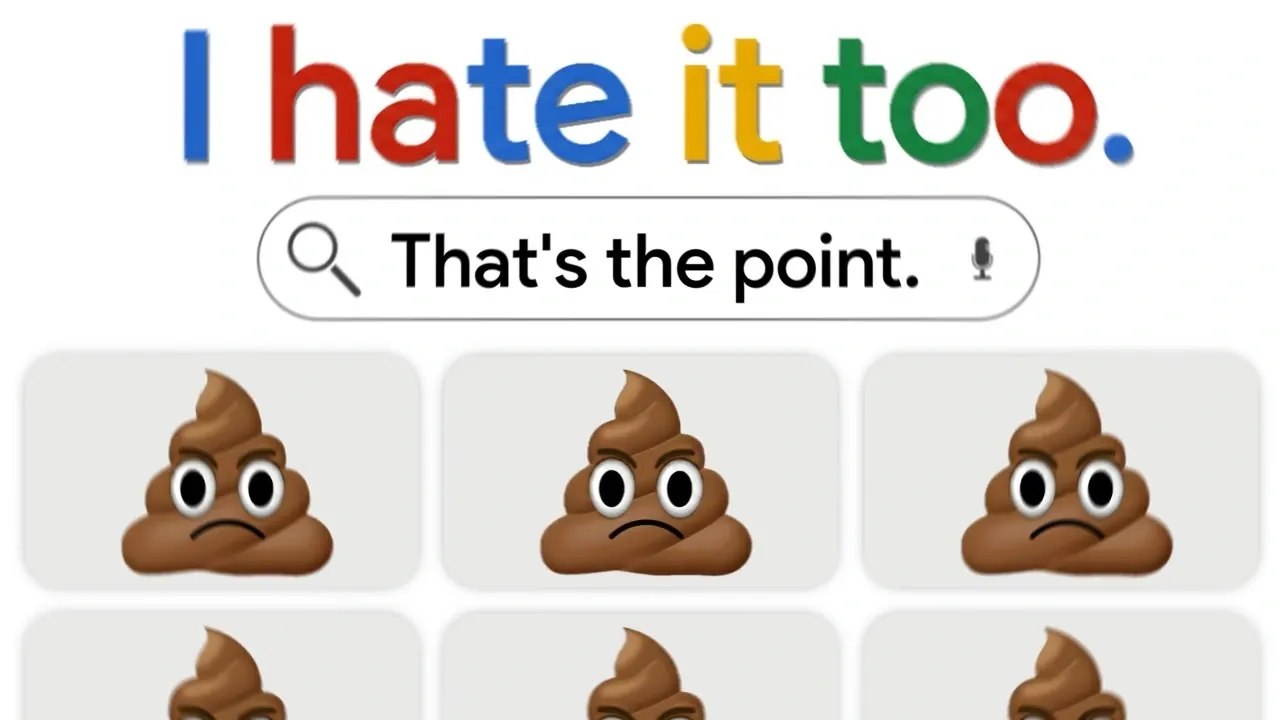
Is the internet drowning in a sea of meaningless content? Marcus Werner explains how the rise of AI-generated material, often dismissed as “AI slop” is reshaping the digital world in ways that are both exciting and deeply unsettling. Imagine scrolling through your favorite platform, only to realize that much of what you’re consuming wasn’t created by humans at all. This phenomenon, tied to theories like the “Dead Internet Theory,” suggests that algorithms are flooding the web with synthetic content, blurring the lines between fact and fiction. While some see this as a sign of the internet’s decline, others argue it could be the fantastic option for a more ethical, user-driven online ecosystem. The stakes are high: will AI-generated content save the internet or destroy it?
Learn more about the complex dynamics of AI’s growing influence on the internet, from its role in spreading misinformation to its impact on the decline of traditional platforms like Facebook. You’ll discover why some experts believe decentralization and user empowerment could offer a path forward, while others warn of the dangers of unchecked algorithmic dominance. Along the way, we’ll unpack bold ideas like creating a healthier digital ecosystem and fostering authenticity in online spaces. Whether you’re hopeful or skeptical about the future of the web, this discussion will challenge your assumptions and leave you questioning what kind of internet we truly want to build.
The Future of Online Content
TL;DR Key Takeaways :
- The internet is increasingly dominated by AI-generated content, raising concerns about misinformation, trust, and the reliability of online information.
- Social media platforms are declining due to “platform inshitification,” where profit-driven algorithms prioritize low-quality content, leading to user dissatisfaction.
- AI-generated content contributes to the spread of misinformation, making it harder for users to distinguish credible information from fabricated material.
- Decentralized platforms, emphasizing transparency and user control, offer a promising alternative to traditional, profit-driven internet models.
- Proposed solutions include antitrust regulations, support for ethical platforms, engagement with verified sources, and individual action to foster a healthier digital ecosystem.
AI-generated content has become a dominant force on the internet, with algorithms producing millions of articles, videos, and images daily. This phenomenon aligns with the “Dead Internet Theory,” which posits that much of the internet is now populated by machine-generated material rather than human creativity. For example, AI tools can create hyper-realistic news articles, deepfake videos, and even entire websites that are nearly indistinguishable from authentic human-made content.
While this technology offers unparalleled efficiency and scalability, it also raises significant concerns. The sheer volume of AI-generated material makes it increasingly difficult for users to discern credible information from fabricated content. This blurring of fact and fiction undermines trust in online spaces, creating a digital environment where misinformation can thrive. The challenge lies in balancing the benefits of AI’s capabilities with the need to preserve the integrity of information.
The Decline of Social Media Giants
Social media platforms, once the epicenter of online interaction, are now grappling with significant challenges. Algorithms designed to maximize engagement often prioritize sensationalist or low-quality AI-generated content, leading to user frustration and disengagement. This phenomenon, sometimes referred to as “platform inshitification,” describes how platforms degrade over time by prioritizing profit over user experience.
Facebook serves as a prime example. The platform has experienced declining user engagement and reduced advertiser interest, signaling a broader trend of dissatisfaction with traditional social media. As these platforms struggle to maintain relevance, their decline could mark a pivotal moment for the internet. The erosion of trust in these platforms opens the door for alternative models that prioritize user satisfaction and ethical practices over profit-driven algorithms.
The Surge of AI-Generated Content

Unlock more potential in AI-Generated Content by reading previous articles we have written.
- New Microsoft Create App : AI Content Creation Made Simple
- Claude AI Update adds Custom Writing Styles for Content Creation
- 7 Ways AI Written Articles and Essays are Detected in 2025
- ASCII art Jailbreak bypasses AI content filtering on ChatGPT-4
- JustDone AI Review – Empowering AI tools for Generating Articles
- Open Source AI Suite OS That Automates Files, Content & Workflows
- How to use Perplexity AI for writing and content creation
- OpenAI’s New Social Media Platform: Fighting AI-Generated Content
- 5 Best AI Video Generators for Content Creation in 2025
- OpenAI introduce new AI research tools for content authenticity
The Misinformation Dilemma
One of the most troubling consequences of AI-generated content is its role in spreading misinformation. AI tools are capable of producing content so realistic that it becomes increasingly difficult for users to verify its authenticity. This erosion of trust has far-reaching implications, from influencing public opinion to perpetuating false narratives that can shape societal discourse.
The challenge of combating misinformation grows as AI technology becomes more sophisticated. Without proactive measures, the internet risks becoming a space where misinformation thrives unchecked, undermining its value as a source of reliable information. Addressing this issue requires a combination of technological solutions, regulatory frameworks, and individual responsibility to ensure that the internet remains a trustworthy resource.
A Path Toward Decentralization
Despite the challenges posed by AI-generated content and the decline of traditional platforms, there is hope for a more decentralized and user-focused internet. Decentralized networks, such as those built on blockchain technology, offer a promising alternative. These platforms emphasize transparency, user control, and ethical practices, giving individuals greater authority over their data and interactions.
In this vision of the internet, users are no longer passive consumers of algorithm-driven content but active participants in a digital ecosystem that values authenticity and collaboration. Decentralized models have the potential to foster a more equitable online environment, where creativity, trust, and user empowerment take precedence over profit-driven motives. By embracing these alternatives, the internet could evolve into a space that reflects the best of human ingenuity and cooperation.
Proposed Solutions for a Healthier Internet
To address the challenges posed by AI-generated content and the decline of traditional platforms, several strategies have been proposed:
- Antitrust Regulation: Breaking up monopolistic platforms could foster competition and innovation, reducing the dominance of profit-driven algorithms that prioritize engagement over quality.
- Support for Alternative Platforms: Encouraging the growth of platforms that prioritize user experience and ethical practices over ad-based revenue models can create a healthier online ecosystem.
- Engagement with Primary Sources: Promoting the use of verified publications and official websites can help combat the spread of misinformation and ensure access to reliable information.
- Individual Action: Users can reduce their reliance on traditional social media platforms and support ethical alternatives that align with their values, fostering a more intentional and mindful online experience.
What You Can Do
The internet stands at a critical crossroads. The rise of AI-generated content and the decline of major platforms present both challenges and opportunities. By advocating for antitrust regulations, supporting alternative platforms, and adopting mindful online habits, you can play an active role in shaping the future of the digital world.
This moment of transformation offers a unique opportunity to rebuild the internet into a space that values creativity, trust, and user empowerment. While the current state of the internet may seem uncertain, it also holds the potential for a brighter, more equitable future. By taking action now, you can contribute to a digital landscape that reflects the best of human creativity and collaboration.
Media Credit: Marcus Werner
Disclosure: Some of our articles include affiliate links. If you buy something through one of these links, Geeky Gadgets may earn an affiliate commission. Learn about our Disclosure Policy.
