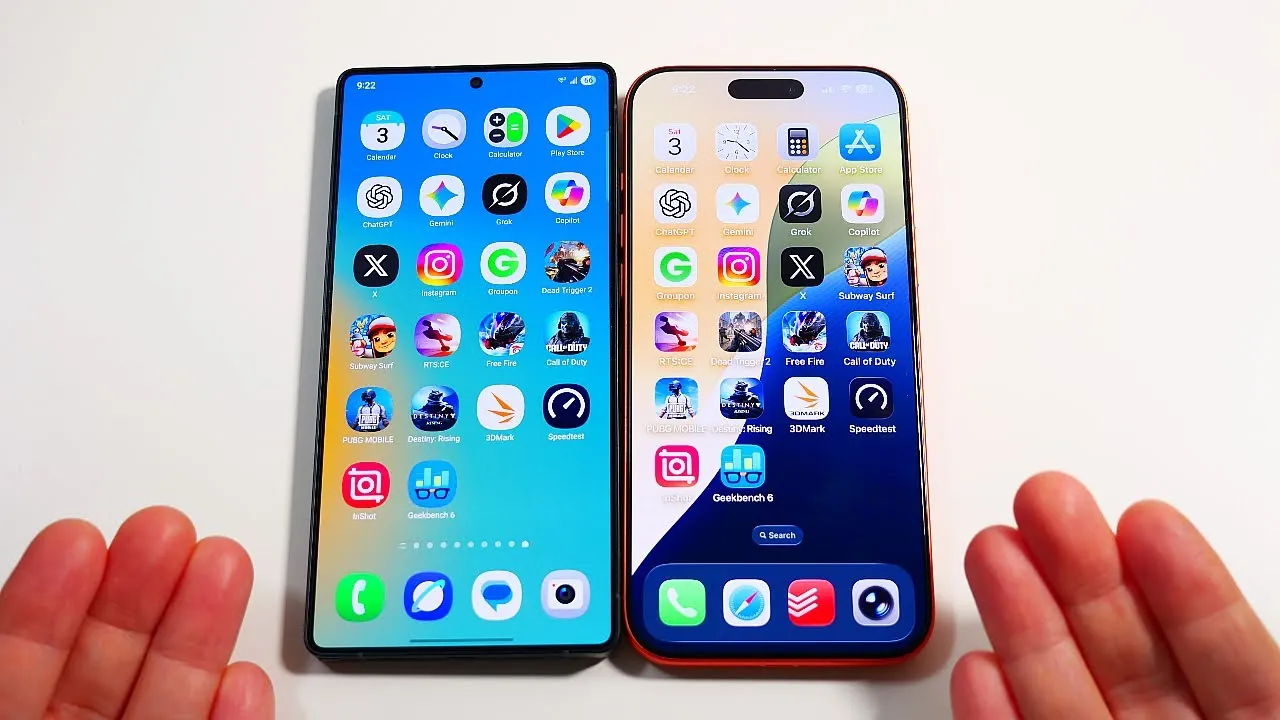
The rivalry between Samsung and iPhone continues to shape the smartphone market in 2026, with both brands offering distinct advantages tailored to different user preferences. While iPhones maintain a slight edge in overall user experience, Samsung’s focus on innovation and feature-rich devices keeps the competition fierce. Deciding between the two depends on your priorities, whether it’s design, performance, ecosystem integration, or long-term value. The video below from Nick Ackerman gives us more details

Pricing Strategies
Samsung and iPhone adopt contrasting pricing models, each catering to specific buyer preferences:
- Samsung: Known for launching devices at premium prices, Samsung frequently offers discounts through trade-in programs, carrier deals, and seasonal promotions. This approach makes their devices more accessible to budget-conscious buyers.
- iPhone: Apple maintains consistent pricing with minimal discounts, but iPhones retain higher resale value over time. This makes them a better choice for users who prioritize long-term financial returns.
If upfront affordability is your priority, Samsung’s promotions and discounts may appeal to you. However, for those focused on long-term value and resale potential, the iPhone remains a strong contender.
Design and Ergonomics
Design preferences often come down to personal taste, and both brands excel in different aspects of aesthetics and usability:
- Samsung: Renowned for its curved edges, lightweight builds, and ergonomic designs, Samsung devices offer a modern, futuristic look with a comfortable grip.
- iPhone: Apple’s flat, unibody design emphasizes durability and minimalism. While slightly heavier, iPhones exude a premium feel with their sleek and polished finish.
If you value innovative design and comfort, Samsung’s devices may win you over. On the other hand, iPhones cater to users who appreciate simplicity, durability, and a timeless aesthetic.
Display Technology
Both brands lead the industry in display technology, but their approaches differ significantly:
- Samsung: Excels in innovation with vibrant AMOLED displays, anti-reflective coatings, and advanced multitasking features like split-screen and pop-up views. These displays are ideal for users who prioritize functionality and vivid visuals.
- iPhone: Focuses on precision with superior brightness, accurate color calibration, and thinner bezels. The result is a polished and immersive viewing experience, particularly for media consumption.
For users who value technical functionality and multitasking, Samsung’s displays stand out. However, if you prefer a refined and visually consistent experience, iPhones are the better choice.
Software Integration
The software experience is a defining factor for many users, and the two brands offer distinct ecosystems:
- iPhone: Powered by iOS, Apple delivers seamless updates, polished performance, and tight integration across its ecosystem of devices. This ensures a smooth, reliable, and user-friendly experience.
- Samsung: Running on Android, Samsung offers extensive customization options and productivity tools. However, software updates can be slower and less consistent compared to Apple’s iOS.
If you value stability, ease of use, and a cohesive ecosystem, iPhones are the clear winner. For users who enjoy customization and flexibility, Samsung’s Android-based system offers greater versatility.
Performance Optimization
Both brands deliver exceptional performance, but their strengths cater to different user needs:
- iPhone: Optimized for single-core tasks, iPhones excel in everyday use, app performance, and gaming. Their efficiency ensures smooth operation even with resource-intensive applications.
- Samsung: Known for its multi-core performance, Samsung devices handle multitasking and demanding applications with ease. This makes them ideal for productivity-focused users.
Your choice depends on how you use your smartphone—whether for casual activities like social media and gaming or for heavy multitasking and productivity.
Battery Efficiency
Battery life remains a critical consideration for most users, and the two brands take different approaches:
- iPhone: Offers superior battery efficiency and exceptional standby time, even with smaller battery capacities. This ensures all-day performance without frequent recharging.
- Samsung: Features larger batteries and faster charging options, including wireless and reverse charging. However, real-world efficiency often falls short of Apple’s optimization.
For users seeking a device that lasts longer on a single charge, the iPhone is a reliable choice. If faster charging and larger battery capacities are more important, Samsung leads in this area.
Camera Systems
Smartphone cameras are a major deciding factor for many buyers, and both brands cater to different photography needs:
- iPhone: Known for its consistent, high-quality results, iPhones excel in capturing social media-ready photos and group shots. Their reliability makes them a favorite for casual photographers.
- Samsung: Offers versatile, feature-rich cameras with advanced options like 100x zoom and manual controls. These features appeal to creative users but may lack consistency in certain scenarios.
If you prioritize reliability and ease of use, the iPhone is a safer bet. For users who enjoy experimenting with photography and advanced features, Samsung’s cameras provide more creative freedom.
Innovation and Special Features
Innovation is a key area where Samsung often takes the lead, while Apple focuses on refinement:
- Samsung: Continues to push boundaries with foldable devices like the Galaxy Z Fold and Z Flip series, as well as productivity tools like Samsung Dex. These features cater to tech enthusiasts and professionals.
- iPhone: While slower to adopt new technologies, Apple emphasizes polish and reliability. Features like emergency SOS via satellite and up to 2TB of storage enhance its appeal to a broader audience.
For users excited by innovative technology, Samsung is the frontrunner. However, those who value reliability and refinement will find Apple’s approach more appealing.
Ecosystem Connectivity
Both brands offer ecosystems, but Apple’s is widely regarded as more cohesive:
- Apple: Seamlessly integrates iPhones, iPads, Macs, and other devices, creating a unified and intuitive experience. Features like AirDrop and Handoff enhance productivity and convenience.
- Samsung: Provides a strong ecosystem with Galaxy devices and integration with Windows-based Galaxy Books. However, the experience may feel less seamless compared to Apple’s ecosystem.
If you rely on multiple devices working together effortlessly, Apple’s ecosystem is unmatched. Samsung’s ecosystem is still robust but may appeal more to users who prefer Android and Windows integration.
Resale Value
Resale value is another area where iPhones have a clear advantage:
- iPhone: Retains value longer and sells faster on the secondary market, making it a smart choice for frequent upgraders.
- Samsung: While competitive, Samsung devices tend to depreciate faster, which may affect their appeal for resale.
For users who upgrade regularly, the iPhone offers better financial returns over time.
Final Thoughts
In 2026, the iPhone holds a slight edge for general users, thanks to its superior battery efficiency, brighter displays, and consistent camera performance. However, Samsung remains a formidable competitor, offering innovative features, customization options, and competitive pricing. With the anticipated release of the Galaxy S26 Ultra, the competition is expected to intensify further.
Ultimately, the best choice depends on your individual priorities. Whether you value innovation, seamless ecosystem connectivity, or long-term value, both Samsung and iPhone provide compelling options tailored to diverse user needs.
Below are more guides on Samsung vs iPhone Comparison 2026 from our extensive range of articles.
- Samsung Galaxy Z Fold 8 Wide: Redefining Foldable Smartphones
- iPhone 17 Pro Max vs Galaxy S25 Ultra Camera Comparison
- iPhone 17 Pro Max vs. Galaxy S25 Ultra: Full Comparison Guide
- iPhone 17 Pro Max vs Galaxy S25 Ultra: Full Comparison
- Galaxy S25 Ultra vs iPhone 16 Pro Max vs OnePlus 13
Source & Image Credit: Nick Ackerman
Disclosure: Some of our articles include affiliate links. If you buy something through one of these links, Geeky Gadgets may earn an affiliate commission. Learn about our Disclosure Policy.
