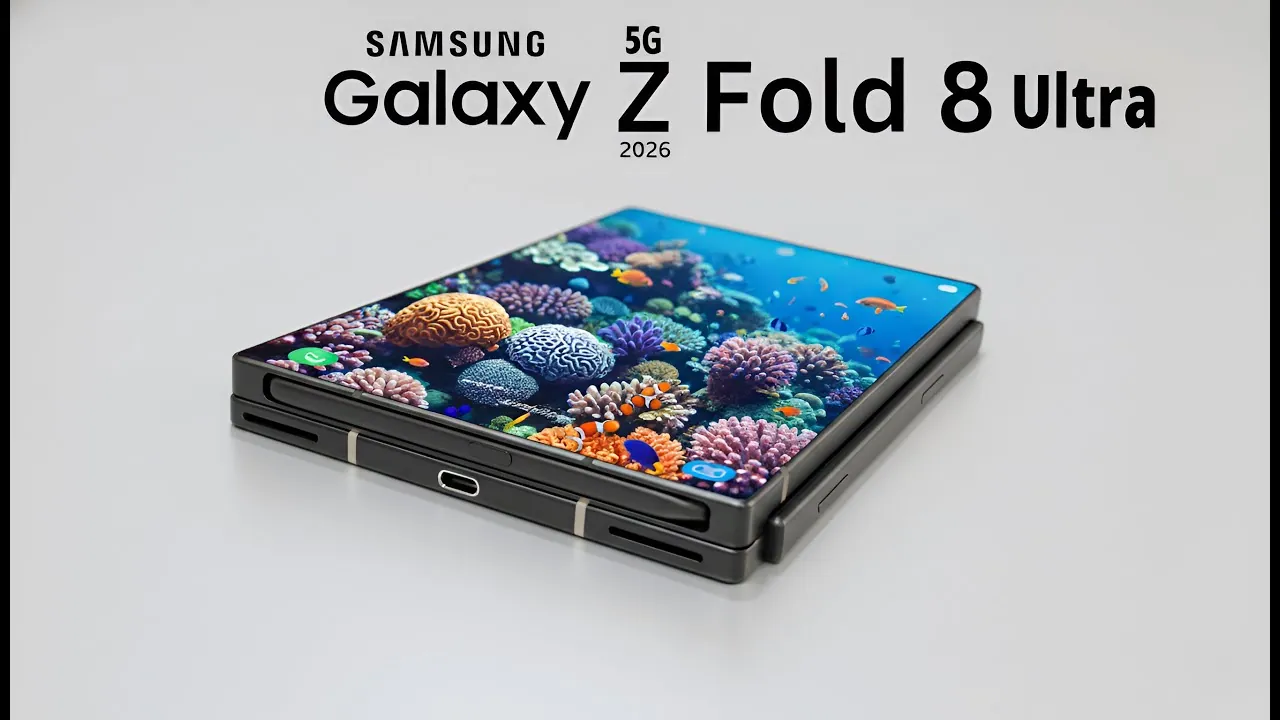
The foldable smartphone market is entering a pivotal phase as two of the biggest names in technology prepare to compete head-to-head. Apple is set to launch its first foldable iPhone in 2026, marking its entry into a segment where Samsung has been a dominant force for nearly a decade. With the anticipated release of the Samsung Galaxy Z Fold 8, this rivalry highlights contrasting approaches in design, technology, and strategy. The outcome of this competition could significantly influence the future of foldable devices, offering consumers a broader range of choices and setting new standards for mobile innovation.

Apple’s First Foldable iPhone: Compact Design, Big Questions
Apple’s debut foldable device is rumored to feature a compact design, with a 5.25-inch cover display and a 7.58-inch inner screen. This smaller form factor may appeal to users who prioritize portability and ease of use. However, it raises questions about whether the reduced screen size can meet the demands of multitasking, gaming, and media consumption, areas where larger foldable devices excel.
The foldable iPhone is expected to include a dual rear camera system, featuring a 48MP main sensor and a 12MP ultrawide lens, alongside an under-display camera for the inner screen. While these features align with Apple’s reputation for delivering high-quality hardware, the absence of a telephoto lens and the relatively modest screen dimensions may limit its appeal to power users and photography enthusiasts.
Apple’s strength lies in its tightly integrated ecosystem, which ensures seamless connectivity between devices and services. However, the foldable iPhone’s rumored specifications suggest it may face challenges in competing with Samsung’s advancements in display technology and camera systems. These factors are critical for foldable devices, where versatility and performance are key selling points.
Samsung Galaxy Z Fold 8: Innovation at the Forefront
The Samsung Galaxy Z Fold 8, also expected to launch in 2026, is shaping up to be a flagship device that pushes the boundaries of foldable technology. Leaks suggest the device will feature larger displays, with a 6.5-inch outer screen and an 8-inch or larger inner display. This expanded screen real estate is designed to enhance usability, making the Z Fold 8 ideal for multitasking, immersive gaming, and media consumption.
The Z Fold 8 is rumored to include a innovative triple-camera system, featuring a 200MP main sensor, a 12MP ultrawide lens, and a 10MP telephoto camera. Additionally, two visible 10MP selfie cameras are expected to deliver superior image quality compared to under-display alternatives. These advanced camera features underscore Samsung’s commitment to meeting the diverse needs of its users, from casual photographers to content creators.
Samsung is also reportedly exploring alternative designs for the Z Fold 8, including a wider, shorter form factor with an 18:9 outer display and a square 18:18 inner screen. This tablet-like design could appeal to users seeking an immersive experience, positioning the Z Fold 8 as a versatile device that bridges the gap between smartphones and tablets. By continuously refining its technology and experimenting with new form factors, Samsung has maintained its leadership in the foldable market.
Market Dynamics: Apple’s Uphill Battle
The foldable smartphone market is evolving rapidly, with Samsung leading the charge through consistent innovation and a robust product lineup. Apple’s entry into this segment comes with significant challenges. As a latecomer, Apple must not only match Samsung’s technological advancements but also demonstrate that its foldable iPhone offers unique value to consumers.
Apple’s ecosystem is a key strength, providing seamless integration across devices and services. However, the foldable iPhone’s smaller screen size and limited camera capabilities may make it difficult to compete with Samsung’s more feature-rich offerings. Samsung’s established presence and willingness to experiment give it a clear advantage, but Apple’s reputation for quality and user-friendly design could help it carve out a niche in the market.
For consumers, this rivalry promises to accelerate innovation and expand the range of options available. Whether you prioritize portability, performance, or ecosystem integration, the competition between Samsung and Apple is likely to result in devices that cater to a wide variety of needs and preferences.
The Future of Foldable Technology
As foldable smartphones continue to gain mainstream acceptance, the competition between Samsung and Apple will play a crucial role in shaping the trajectory of this technology. Samsung’s early entry and commitment to innovation have positioned it as the current leader, but Apple’s entry could disrupt the market if it delivers a compelling product that addresses the limitations of its first foldable device.
The Galaxy Z Fold 8 appears poised to set a new benchmark for foldable devices, offering advanced features and a versatile design that caters to a broad audience. Meanwhile, Apple’s foldable iPhone represents an opportunity to redefine what a foldable smartphone can offer, using its ecosystem to create a seamless user experience.
This battle between two tech giants is more than just a competition; it’s a reflection of the broader evolution of mobile technology. Whether you’re a tech enthusiast or a casual user, the advancements in foldable devices promise to reshape how we interact with our smartphones, offering new possibilities for productivity, entertainment, and connectivity.
Discover other guides from our vast content that could be of interest on the Samsung Galaxy Z Fold 8.
- Samsung Galaxy Z Fold 8: Thinner, Lighter, and Smarter
- Samsung Galaxy Z Fold 8: Features, Specs, and Release Date
- Samsung Galaxy Z Fold 8: Features, Specs, and Release Date
- Samsung Galaxy Z Fold 8 Ultra: A Step Forward in Foldable Tech
- Samsung Z Fold 8 & Flip 8: The CREASE Is GONE… and More
Source & Image Credit: Demon’s Tech
Disclosure: Some of our articles include affiliate links. If you buy something through one of these links, Geeky Gadgets may earn an affiliate commission. Learn about our Disclosure Policy.
