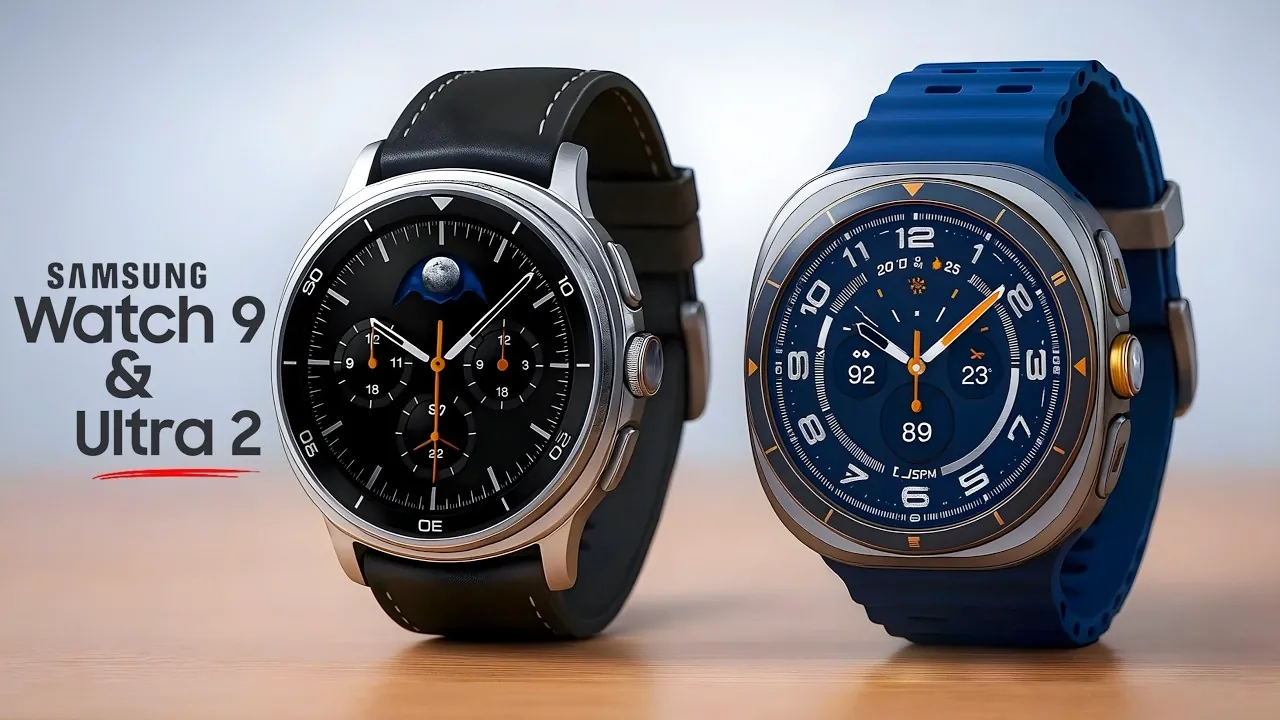
Samsung is preparing to elevate its smartwatch lineup with the Galaxy Watch 9 and Galaxy Watch Ultra 2. According to leaks, the company may adopt a new dual-chip strategy, where each model will feature a distinct processor. This approach could redefine how Samsung differentiates its standard and premium smartwatches, offering tailored features to meet the diverse needs of its users.

Dual-Chip Strategy: A New Era in Smartwatch Design
The rumored dual-chip strategy represents a significant evolution in Samsung’s smartwatch design philosophy. The Galaxy Watch Ultra 2 is expected to feature Qualcomm’s Snapdragon Wear Elite chipset, a processor specifically optimized for AI-driven wearables. In contrast, the Galaxy Watch 9 may continue to use Samsung’s in-house Exynos W10 chip, which has been a reliable choice in previous models.
This divergence is not merely about aesthetics or materials; it focuses on delivering distinct levels of performance and functionality. The Ultra 2, with its advanced chipset, could appeal to tech enthusiasts seeking innovation, while the Galaxy Watch 9 might cater to everyday users who prioritize affordability and reliability. By adopting this strategy, Samsung could create a clearer distinction between its premium and standard offerings, making sure that each model serves a specific audience.
AI Capabilities: The Power of Snapdragon Wear Elite
The Snapdragon Wear Elite chipset could emerge as the defining feature of the Galaxy Watch Ultra 2. At its core is the Hexagon Neural Processing Unit (NPU), designed to handle localized AI processing directly on the device. This capability could transform how users interact with their smartwatch by allowing advanced features without relying heavily on cloud-based systems.
Key benefits of localized AI processing include:
- Real-time fitness coaching that provides actionable insights during workouts, helping users optimize their performance.
- Smarter message replies and notification summaries that streamline communication and save time.
These features not only enhance privacy by reducing data transmission to external servers but also improve responsiveness, making the Ultra 2 a compelling choice for users who demand more from their wearables.
Battery Life: Optimizing Power and Efficiency
Battery life remains a critical factor for smartwatch users, and the Galaxy Watch Ultra 2 could deliver significant improvements in this area. While the current Galaxy Watch Ultra offers around two days of battery life, the Snapdragon Wear Elite chipset may introduce advanced power management techniques that optimize energy consumption without compromising performance. This balance could make the Ultra 2 a dependable companion for extended use, particularly for users who rely on their smartwatch throughout the day.
On the other hand, the Galaxy Watch 9, powered by the Exynos W10 chip, might focus on maintaining battery efficiency within a more affordable package. Although it may lack the advanced AI features of the Ultra 2, it could still provide a reliable experience for everyday tasks such as fitness tracking, notifications and basic app usage. This differentiation ensures that both models cater to distinct user preferences.
Pricing Implications and Market Positioning
The inclusion of the Snapdragon Wear Elite chipset in the Galaxy Watch Ultra 2 is likely to result in a higher price point compared to its predecessor. The advanced AI capabilities, improved battery performance, and premium build quality could justify this increase, positioning the Ultra 2 as a flagship model for tech-savvy consumers who value innovation and innovative features.
Conversely, the Galaxy Watch 9, with its Exynos W10 chip, could target budget-conscious buyers by offering essential smartwatch functionality at a more accessible price. This dual-pronged approach allows Samsung to cater to a broader audience, from those seeking premium features to those prioritizing value for money.
Market Segmentation: Clearer Choices for Consumers
Samsung’s dual-chip strategy could redefine its position in the smartwatch market by creating a clearer distinction between its premium and standard models. The Galaxy Watch Ultra 2, equipped with innovative AI capabilities and advanced hardware, could appeal to users who demand top-tier performance and innovation. Meanwhile, the Galaxy Watch 9, with its dependable and cost-effective technology, could serve as an ideal choice for users seeking a reliable yet affordable smartwatch.
This approach not only enhances consumer choice but also strengthens Samsung’s competitive edge in a rapidly evolving market. By addressing the needs of both high-end and budget-conscious users, Samsung could solidify its position as a leader in smartwatch technology.
The Nature of Leaks: Managing Expectations
While the rumored dual-chip strategy and AI advancements are intriguing, it is essential to approach these leaks with caution. Until Samsung makes an official announcement, the details remain speculative, and the final specifications of the Galaxy Watch 9 and Ultra 2 may differ from current expectations. However, if these leaks prove accurate, Samsung’s upcoming smartwatches could represent a significant step forward in the evolution of wearable technology.
Advance your skills in the Samsung Galaxy Watch 9 by reading more of our detailed content.
- Samsung Galaxy Watch 9 & Ultra 2 Details Revealed
- Samsung Galaxy Watch 9 Ultra Details Revealed
- Samsung Galaxy Watch 9 & Galaxy Watch Ultra 2 Details
- Samsung Galaxy Watch 9 Ultra: Features, Specs and More
- Samsung Galaxy Watch 9: Specs and Snapdragon Wear Elite
Source & Image Credit: Demon’s Tech
Disclosure: Some of our articles include affiliate links. If you buy something through one of these links, Geeky Gadgets may earn an affiliate commission. Learn about our Disclosure Policy.
