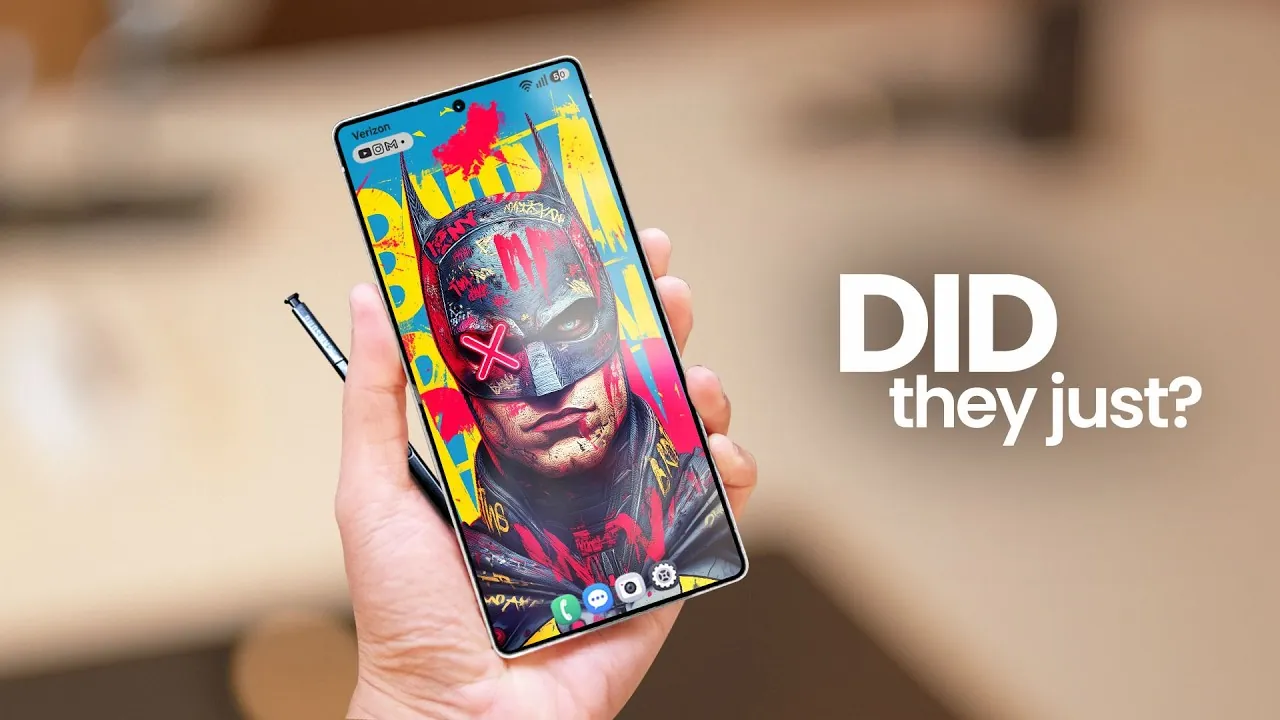
The Samsung Galaxy S26 Ultra represents a bold step forward in smartphone design and functionality, blending innovative features with some contentious decisions. With its sleeker build, refined aesthetics, and a focus on premium functionality, the Ultra model stands as the centerpiece of Samsung’s flagship lineup. However, certain omissions and design tweaks have sparked debate, leaving users to weigh the benefits of innovation against perceived compromises. Samsung’s clear prioritization of the Ultra over its base and Plus counterparts highlights its strategy to cater to high-end buyers, signaling a shift in its approach to the smartphone market. The video below from Techtics gives us more details about the handset and its range of features.

Chi 2 Magnets: A Surprising Omission
One of the most debated changes in the Galaxy S26 Ultra is the absence of built-in Chi 2 magnets, a feature that assists seamless wireless charging and accessory compatibility. Samsung’s decision to exclude these magnets appears to be driven by its commitment to maintaining compatibility with the S Pen and reverse wireless charging—two hallmark features of the Ultra model.
While this trade-off ensures that the device retains its core functionality, it forces users to rely on magnetic cases for wireless charging. For many, this feels like a step backward, especially as competitors increasingly integrate such technology directly into their devices. The omission raises important questions about whether Samsung has prioritized legacy features at the expense of convenience. For users who value wireless charging simplicity, this change may feel like a compromise rather than an improvement.
S Pen Redesign: Form Over Function?
The S Pen remains a defining feature of Samsung’s Ultra series, but its latest redesign has sparked mixed reactions. Now available in black or white with a color-matched clickable top, the stylus offers a more cohesive aesthetic that complements the device’s overall design. However, the redesigned clicker, with its tapered shape, has introduced a usability issue—it is now easier to insert the pen incorrectly into its slot.
For long-time users who rely on the S Pen for precision and productivity, this change has been a source of frustration. While the stylus continues to deliver powerful tools for creativity and note-taking, the minor design flaw has drawn criticism. This suggests that Samsung’s pursuit of visual refinement may have come at the expense of user experience. Despite this, the S Pen remains an essential feature for those who prioritize functionality and creative versatility.
Design Updates: Sleeker, Lighter, and More Polished
The Galaxy S26 Ultra’s design reflects Samsung’s commitment to creating a more ergonomic and visually appealing device. At just 7.9 mm thick and weighing 214 grams, the phone is thinner and lighter than its predecessor, making it more comfortable to hold and use for extended periods. The rounder corners and revamped camera layout lend the device a modern, polished look, reminiscent of the S25 Edge.
However, the updated camera island, while visually striking, adds noticeable bulk to the rear of the phone. This design choice has divided opinions, with some users appreciating the bold aesthetic and others finding it cumbersome. On the color front, the introduction of a cobalt violet option offers a fresh, premium alternative for users seeking a distinctive look. These design updates demonstrate Samsung’s effort to balance style and functionality, though not all changes have been universally embraced.
Production Strategy: Ultra Takes the Spotlight
Samsung’s production strategy for the Galaxy S26 series underscores its focus on the Ultra model as the flagship of the lineup. Reports indicate that the company is manufacturing nearly six times more Ultra units than base and Plus models combined. This shift aligns with changing consumer preferences, as high-end buyers increasingly drive demand for feature-rich smartphones.
While the Ultra model benefits from this strategy, the base and Plus models have seen minimal updates, leaving some users feeling overlooked. Samsung’s approach signals a clear intent to position the Ultra as the flagship choice for discerning customers. However, this emphasis on the premium segment risks alienating those who prefer more affordable or compact options. For consumers, this production strategy highlights Samsung’s confidence in the Ultra’s appeal, but it also raises questions about the future of its other models.
A Premium Device with Trade-Offs
The Samsung Galaxy S26 Ultra is a testament to the brand’s commitment to innovation, offering a thinner, lighter design and refreshed aesthetics that cater to premium smartphone enthusiasts. However, the absence of built-in Chi 2 magnets and the S Pen’s usability concerns highlight the compromises that come with these advancements.
By doubling down on the Ultra model, Samsung is betting on the growing demand for high-end devices, but this strategy may leave base and Plus users feeling underserved. For those seeking innovative features and a refined design, the Ultra remains a compelling choice—albeit one that comes with a few trade-offs. As Samsung continues to refine its flagship lineup, the Galaxy S26 Ultra stands as a bold example of the brand’s evolving vision for the future of smartphones.
Master Samsung Galaxy S26 Ultra with the help of our in-depth articles and helpful guides.
- Samsung Galaxy S26 Ultra: Prepare for the Next Level
- Privacy Display: Why the Samsung Galaxy S26 Ultra Stands Out
- Samsung Galaxy S26 Ultra: Features, Specs, and Release Date
- Samsung Galaxy S26 Ultra: Privacy and Display Features
- Samsung Galaxy S26 Ultra Features and Upgrades Explained
Source & Image Credit: Techtics
Disclosure: Some of our articles include affiliate links. If you buy something through one of these links, Geeky Gadgets may earn an affiliate commission. Learn about our Disclosure Policy.
