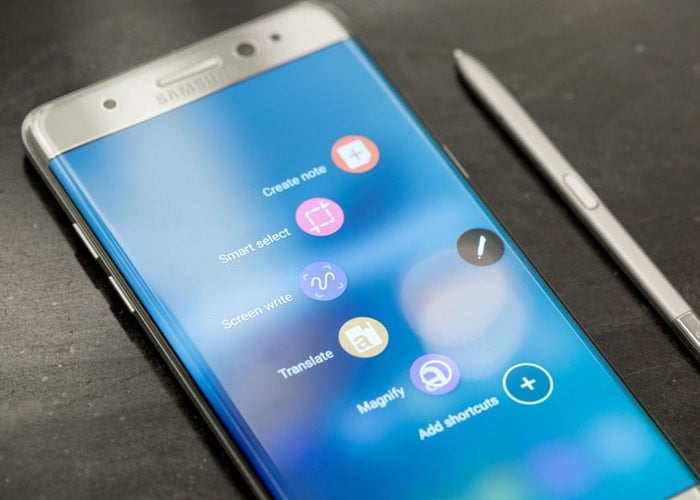
Samsung recently decided to hold back on starting to sell the Galaxy Note 7 in South Korea. The company was waiting for more customers to return their handsets as part of the recall.
Now it would appear that sales of the Galaxy Note 7 will resume in South Korea on the 1st of October, the company is expecting to hit 80 percent on its recall by this date.
Reasons Behind the Recall
The recall of the Note 7 is expected to end up costing Samsung close to $1 billion. The handset was recalled after a number of devices caught fire due to issues with the battery on the device. This issue was significant enough to prompt a global recall, affecting millions of units worldwide. The battery defect was traced back to a manufacturing error that caused the battery to overheat and, in some cases, explode. This not only posed a safety risk to users but also severely damaged Samsung’s reputation.
Samsung’s decision to delay the reintroduction of the Galaxy Note 7 in South Korea was a strategic move. By ensuring that a significant portion of the defective units were returned, the company aimed to mitigate further risks and restore consumer confidence. The recall process involved replacing the faulty batteries and ensuring that the new units met all safety standards.
Market Competition and Strategic Timing
LG is launching their new LG V20 smartphone in South Korea next week, and this could be one of the reasons that Samsung is looking to start selling their handsets again. The LG V20 is expected to be a strong competitor in the high-end smartphone market, featuring advanced audio capabilities, a dual-camera system, and a robust build. By resuming sales of the Galaxy Note 7 around the same time, Samsung aims to retain its market share and prevent potential customers from switching to LG.
The timing of the re-launch is crucial for Samsung. The company is not only competing with LG but also preparing for the holiday season, which is a peak period for smartphone sales. By addressing the recall issues and reintroducing the Galaxy Note 7 in time for the holidays, Samsung hopes to recover some of the financial losses incurred due to the recall.
In addition to the recall efforts, Samsung has implemented several measures to ensure the safety of its devices. The company has introduced an eight-point battery safety check, which includes rigorous testing procedures such as durability tests, visual inspections, and X-ray tests. These measures are designed to prevent similar issues from occurring in the future and to reassure consumers of the safety and reliability of Samsung products.
The recall and subsequent re-launch of the Galaxy Note 7 serve as a case study in crisis management for large corporations. Samsung’s handling of the situation, including the swift recall, transparent communication with customers, and implementation of new safety measures, demonstrates the company’s commitment to consumer safety and product quality. However, the financial impact and damage to the brand’s reputation highlight the challenges and risks associated with product recalls.
Source Android Central
Disclosure: Some of our articles include affiliate links. If you buy something through one of these links, Geeky Gadgets may earn an affiliate commission. Learn about our Disclosure Policy.
