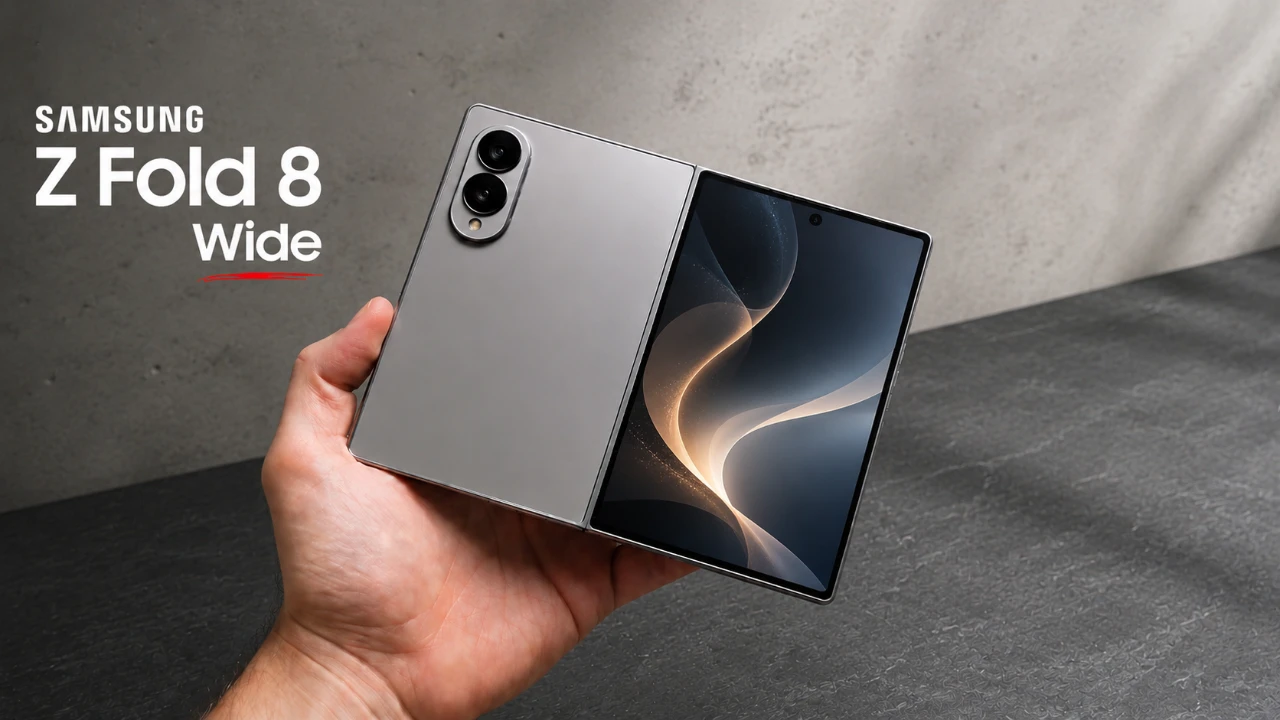
Samsung continues to lead the foldable phone market with the introduction of the Galaxy Z Fold 8 Wide, a device designed to address one of the most persistent challenges in foldable technology: the crease. By using a 60-micrometer ultra-thin glass that is 30% thicker than its predecessors, Samsung aims to enhance both the durability and visual appeal of its foldable displays. This advancement not only highlights the company’s commitment to innovation but also sets a new benchmark for the industry. However, this bold move introduces engineering challenges that could shape the future of foldable devices.

Crease Reduction: A Milestone in User Experience
The crease on foldable displays has long been a source of frustration for users, detracting from the overall experience. With the Galaxy Z Fold 8 Wide, Samsung directly addresses this issue by incorporating a thicker ultra-thin glass. This design significantly minimizes the crease, resulting in a smoother and more seamless display. For you, this means a device that not only looks more polished but also feels more natural during everyday use. By tackling this critical pain point, Samsung is making foldable phones more practical and appealing for a wider audience.
Beyond aesthetics, the improved screen design enhances functionality. Whether you’re scrolling through apps, watching videos, or multitasking, the reduced crease ensures a more immersive experience. This innovation demonstrates Samsung’s dedication to refining the foldable phone experience, making it a viable option for users seeking both style and substance in their devices.
Engineering Challenges: Balancing Durability and Flexibility
While the thicker ultra-thin glass offers clear benefits, it also presents new engineering challenges. The increased thickness enhances rigidity and reduces the crease but may also make the glass more prone to cracking under repeated folding. This highlights the delicate balance required in foldable display design: achieving durability without compromising flexibility. For users like you, this means enjoying a more robust screen while remaining mindful of potential wear and tear over time.
Samsung’s approach underscores the complexity of foldable technology. The Galaxy Z Fold 8 Wide serves as a testament to the company’s ability to push boundaries while navigating the inherent trade-offs of innovation. By addressing these challenges head-on, Samsung is paving the way for more durable and reliable foldable devices in the future.
A Platform for Future Advancements
The Galaxy Z Fold 8 Wide is more than just a smartphone; it’s a testing ground for Samsung’s latest advancements in foldable technology. By releasing this model, Samsung aims to gather valuable user feedback on the practicality and durability of its thicker glass design. This iterative approach allows the company to refine its technology and integrate successful innovations into future models, such as the Galaxy Z Fold 9 and Galaxy Z Flip 9.
For you, this means being part of a pivotal moment in the evolution of foldable phones. As Samsung continues to innovate, your feedback and experiences will play a crucial role in shaping the next generation of devices. The Galaxy Z Fold 8 Wide represents a step forward in creating foldable phones that are not only innovative but also practical for everyday use.
Competitive Landscape: Driving Innovation
Samsung’s advancements come at a time when the foldable phone market is becoming increasingly competitive. Rival brands like Oppo and Honor are making significant strides, introducing devices with innovative hinge designs and display technologies aimed at reducing crease visibility. For example, Oppo’s Find N2 and Honor’s Magic V2 have garnered attention for their ability to deliver smoother displays and enhanced durability.
This growing competition benefits you as a consumer. The race to innovate drives companies to continuously improve their products, resulting in better performance, design and value. Samsung’s efforts with the Galaxy Z Fold 8 Wide not only reinforce its leadership in the market but also push the entire industry forward, making sure that foldable technology continues to evolve and improve.
Shaping the Future of Foldable Technology
The Galaxy Z Fold 8 Wide has the potential to influence the trajectory of foldable phone development. If the thicker ultra-thin glass proves successful in balancing durability and flexibility, it could become a standard feature in Samsung’s future devices. This would enhance the overall user experience while solidifying Samsung’s position as a leader in foldable technology.
However, the challenges of foldable display engineering remain. Striking the right balance between flexibility and durability will continue to be a central focus as the technology matures. For you, this means a future filled with more refined, reliable and innovative foldable devices that cater to both your practical needs and aesthetic preferences.
The Galaxy Z Fold 8 Wide is not just a smartphone; it’s a glimpse into the future of mobile technology. By addressing long-standing issues like the crease and exploring new design possibilities, Samsung is setting the stage for the next generation of foldable devices. As the market evolves, advancements like these will play a crucial role in shaping the way we interact with technology, offering a more seamless and durable user experience.
Advance your skills in Samsung Galaxy Z Fold Wide by reading more of our detailed content.
- Samsung Finally Fixed the Fold: First Look at the Z Fold 8 Wide Design
- Passport to Perfection? This is Why the Samsung Galaxy Z Fold 8 Wide Just Changed the Game
- Samsung Galaxy Z Fold 8 to Feature Massive Camera Overhaul: What We Know
- Samsung Galaxy Z Fold 8 Wide Edition: The Future of Foldable Smartphones
- Samsung Galaxy Z Fold 8 Wide Leak: Samsung’s New 4:3 Aspect Ratio Divides Foldable Fans
Source & Image Credit: Demon’s Tech
Disclosure: Some of our articles include affiliate links. If you buy something through one of these links, Geeky Gadgets may earn an affiliate commission. Learn about our Disclosure Policy.
