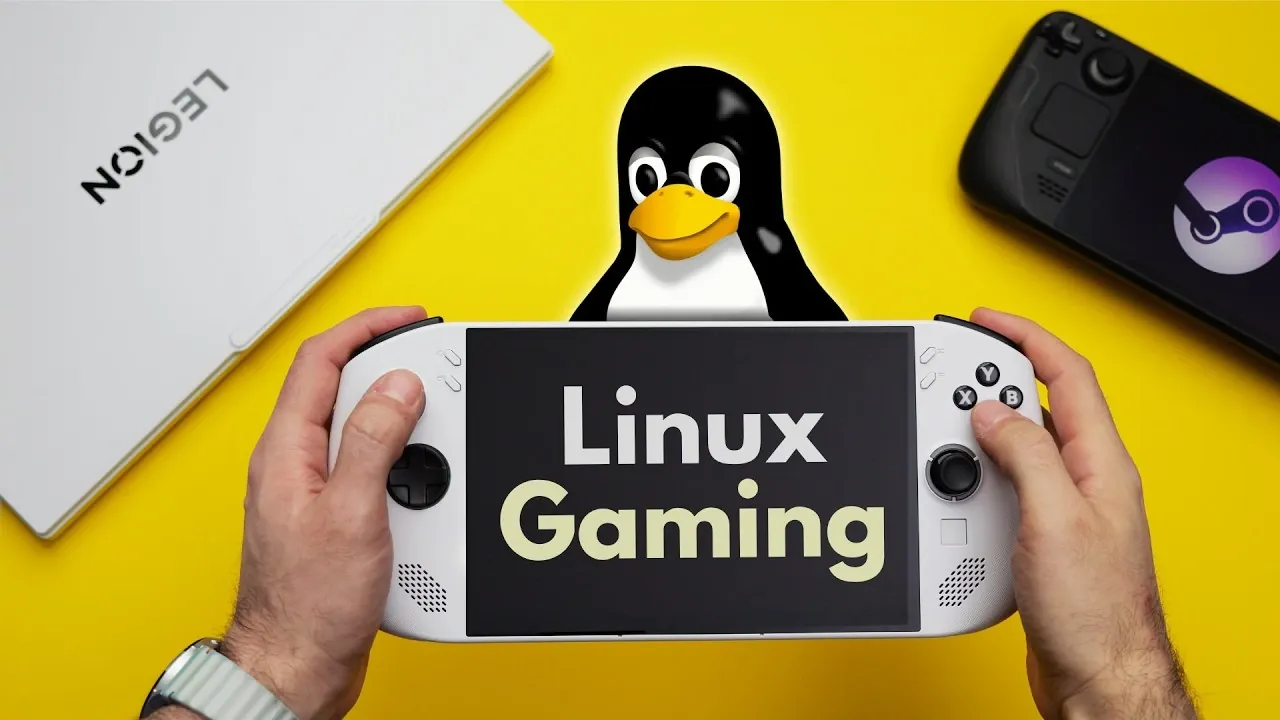
What if the future of gaming didn’t revolve around Windows? TechAltar explores how the rise of Linux, fueled by innovations like Valve’s Steam Deck and new technologies such as Proton, is challenging Microsoft’s decades-long dominance. With an estimated 6-7 million Linux gamers now on Steam and a growing share of the gaming market, this once niche operating system is making waves in an industry long ruled by Windows. The video dives into the billion-dollar question: can Linux truly replace Windows as the go-to platform for gamers? It’s a bold claim, but one that’s increasingly difficult to ignore as gamers seek cost-effective, open source alternatives amid frustrations with Windows 11’s system requirements and limitations.
In this breakdown, we’ll unpack the key factors driving this shift, from the technological breakthroughs that have made Linux gaming more accessible to the challenges it still faces in competing with Windows’ dominance. Whether you’re curious about the Steam Deck’s fantastic impact, the role of compatibility layers like Proton, or the broader implications for the gaming industry, this guide will give you a clearer picture of what’s at stake. The race to replace Windows isn’t just about operating systems, it’s about redefining how we think about gaming itself. Could Linux be the underdog that changes everything? Let’s explore the possibilities.
Linux Gaming’s Growing Momentum
TL;DR Key Takeaways :
- Linux gaming is rapidly growing, with its Steam user share increasing from 1% to over 3%, driven by the success of Valve’s Steam Deck, which has sold an estimated 5 million units globally.
- Technological advancements like Valve’s Proton, SteamOS, and the Vulkan Graphics API have significantly improved game compatibility and performance on Linux, narrowing the gap with Windows.
- The end of Windows 10 support and hesitancy to adopt Windows 11 have made Linux an attractive alternative for gamers, offering cost-effectiveness, open source flexibility, and growing game compatibility.
- Challenges such as limited multiplayer game compatibility, occasional bugs, and a steeper learning curve hinder broader Linux gaming adoption, requiring continued development and support.
- Valve’s strategic investments in Linux gaming technologies and the Steam Deck have positioned the company as a key player in reshaping the gaming landscape, challenging Windows’ dominance in the industry.
Linux Gaming: A Rapidly Expanding Market
Over the past few years, Linux gaming has experienced unprecedented growth. Its share of Steam users has climbed from a modest 1% to over 3%, marking a significant milestone for the platform. This surge is largely attributed to the success of the Steam Deck, Valve’s handheld gaming device, which has sold an estimated 5 million units globally. By introducing millions of gamers to Linux-based gaming, the Steam Deck has expanded the Linux gaming community to an estimated 6-7 million users on Steam.
The end of Windows 10 support has further accelerated this trend. With many gamers hesitant to transition to Windows 11 due to concerns over system requirements and cost, Linux has emerged as an attractive alternative. Its open source nature, combined with cost-effectiveness and growing compatibility with popular games, makes it a compelling option for gamers seeking a fresh platform.
Technological Innovations Driving Linux Gaming
The rise of Linux gaming is underpinned by several key technological advancements that have addressed long-standing barriers to adoption:
- Proton: Developed by Valve, Proton is a compatibility layer that allows Windows games to run on Linux with minimal issues. This innovation has significantly reduced the compatibility gap between the two operating systems.
- SteamOS: A Linux-based operating system optimized for gaming, SteamOS powers devices like the Steam Deck. It offers a seamless gaming experience with pre-configured settings tailored for performance.
- Vulkan Graphics API: This modern, low-overhead graphics API provides an alternative to traditional APIs like DirectX. Vulkan enhances performance and optimization on Linux systems, making sure smoother gameplay and better resource management.
These advancements have narrowed the performance gap between Linux and Windows, making Linux a more viable option for gamers. By addressing compatibility and performance concerns, these technologies have broadened Linux’s appeal beyond its traditional user base of developers and tech enthusiasts.
Billion Dollar Race to Replace Windows

Below are more guides on gaming on Linux from our extensive range of articles.
- Valve Steam Machine Returns in 2026, Specs, Price Outlook
- Worlds Smallest DIY Steam Machine : Ryzen 7840U for Steady
- Steam Machine Pricing Tipped at $600 to $650 with Supply Tight
- Steam Machine HDMI 2.1 Limits, Valve and AMD Fixes Explained
- New Steam Machine Accessories : Plus GeForce Now App for Linux
- Steam Machine 4K at 60fps, Steam OS Features and Performance
- Steam Machine Gaming Makes Linux a Serious Windows Rival
- Steam Machine Price Guide, $600 to $1000 : Who Should Buy
Challenges Slowing Broader Adoption
Despite its progress, Linux gaming faces several challenges that hinder its wider adoption among mainstream gamers:
- Multiplayer Game Compatibility: Many popular multiplayer games rely on kernel-level anti-cheat software, which often lacks Linux support. This limitation restricts Linux users from accessing certain online titles, creating a barrier for competitive gamers.
- Occasional Bugs and Performance Issues: While Proton has improved game compatibility, some titles still experience bugs or require manual adjustments. This can frustrate users who expect a plug-and-play experience.
- Learning Curve: Transitioning to Linux can be intimidating for gamers accustomed to Windows. Tasks such as troubleshooting, configuring settings, or installing drivers may require additional effort and technical knowledge.
These obstacles underscore the need for continued development, better support from game developers, and more user-friendly tools to make Linux gaming accessible to a broader audience.
The Steam Deck: A Fantastic option for Linux Gaming
Valve’s Steam Deck has played a fantastic role in reshaping perceptions of Linux gaming. By offering a console-like experience, the Steam Deck combines portability with optimized performance, making it an appealing choice for both casual and dedicated gamers. Features such as sleep mode, a user-friendly interface, and pre-configured settings have made Linux gaming more accessible than ever before.
For PC gamers, user-friendly Linux distributions like Batocera simplify installation and ensure compatibility with a wide range of games. However, the experience can vary depending on the hardware and specific games being played. While the Steam Deck provides a polished, integrated solution, PC gamers transitioning to Linux may still face a steeper learning curve.
Linux vs. Windows: A Comparative Perspective
Windows remains the dominant platform for gaming, offering unparalleled game compatibility and developer support. Its ecosystem is well-established, and most game developers prioritize Windows when creating new titles. However, Windows lacks optimization for low-power devices like handheld consoles, which limits its versatility in certain use cases.
In contrast, Linux-based systems such as SteamOS are specifically designed for devices like the Steam Deck, delivering better performance and efficiency on low-power hardware. On high-end gaming PCs, Windows still outperforms Linux in terms of raw gaming performance. However, the gap is narrowing as Linux gaming technologies continue to mature. For gamers who value flexibility, customization, and innovation, Linux offers unique advantages, albeit with some trade-offs in ease of use and compatibility.
Valve’s Strategic Role in Linux Gaming
Valve has been instrumental in the resurgence of Linux gaming. Through long-term investments in technologies like Proton and Vulkan, the company has built a robust ecosystem that supports Linux gaming. The Steam Deck serves as the cornerstone of this strategy, acting as both a product and a platform to promote Linux adoption.
By using its control over the Steam ecosystem, Valve has positioned itself as a key player in shaping the future of gaming. This approach mirrors the strategies of tech giants like Google in the Android market, allowing Valve to drive innovation and encourage greater adoption of Linux among developers and users alike.
The Road Ahead for Linux Gaming
The future of Linux gaming appears promising as more users explore alternatives to Windows. Improvements in driver support, performance optimization, and game compatibility are expected to accelerate as the Linux gaming community continues to grow. Companies like Valve are leading the charge, fostering innovation and encouraging developers to prioritize Linux support.
While challenges remain, the momentum behind Linux gaming is undeniable. As technologies evolve and adoption increases, Linux has the potential to reshape the gaming landscape, challenging Windows’ long-standing dominance. For gamers seeking flexibility, innovation, and a fresh approach, Linux represents a compelling alternative in the ever-evolving gaming industry.
Media Credit: TechAltar
Disclosure: Some of our articles include affiliate links. If you buy something through one of these links, Geeky Gadgets may earn an affiliate commission. Learn about our Disclosure Policy.
