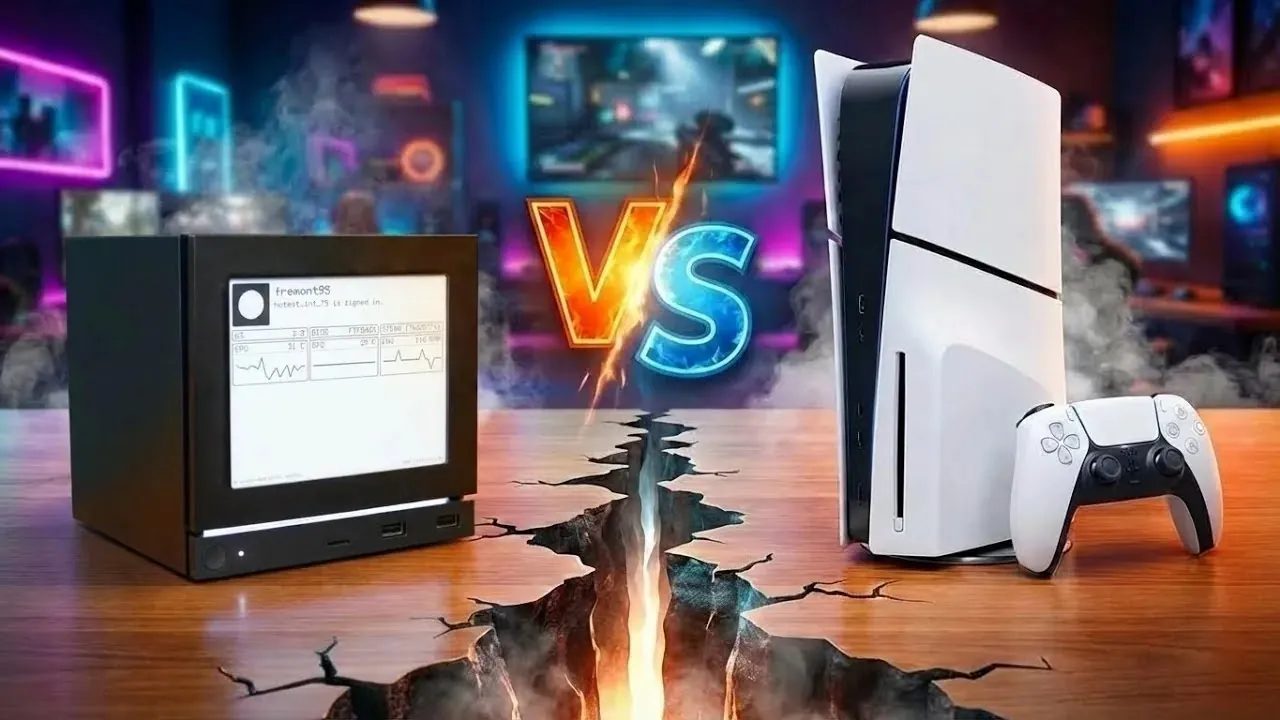
What happens when the simplicity of a console meets the flexibility of a PC? ConsoleDrop walks through how Valve’s reimagined Steam Machine is stepping back into the gaming arena to challenge Sony’s powerhouse, the PlayStation 5. On one side, you have the PS5, a console that has captured the hearts of millions with its exclusive titles and effortless plug-and-play experience. On the other, the Steam Machine promises a bold alternative: a hybrid device that offers hardware upgrades, game modding, and access to an expansive library, all powered by a Linux-based operating system. But with Valve’s history of hardware missteps and the PS5’s unshakable dominance, can the Steam Machine truly carve out a space in the gaming world? The stakes are high, and the competition is fierce.
In this breakdown, we’ll explore the key differences between these two gaming giants and what they mean for players. From the PS5’s polished ecosystem and blockbuster exclusives to the Steam Machine’s promise of unparalleled customization, there’s more to this rivalry than meets the eye. Whether you’re a casual gamer who values simplicity or a tech-savvy enthusiast eager to tinker, understanding these platforms’ strengths and challenges is crucial. With rising hardware costs and evolving consumer expectations shaping the industry, the choice between these systems isn’t just about features, it’s about what kind of gaming experience you want. So, where do you stand in this battle of innovation versus tradition?
Steam Machine vs PS5
TL;DR Key Takeaways :
- Valve is reintroducing the Linux-based Steam Machine, aiming to merge PC gaming flexibility with console simplicity, positioning it as a competitor to Sony’s PS5.
- The Steam Machine offers customization, hardware upgrades, and a vast game library but faces challenges with Linux-based game optimization and user familiarity.
- Valve is using lessons from the successful Steam Deck to improve the Steam Machine, targeting tech-savvy gamers who value flexibility and customization.
- Sony’s PS5 dominates the market with exclusive titles, a user-friendly experience, and a strong ecosystem, appealing to a broader audience.
- Economic pressures, including rising hardware costs and global shortages, will influence the pricing and success of both the Steam Machine and PS5 in the competitive gaming landscape.
Steam Machine: Bridging PC and Console Gaming
Valve’s Steam Machine is built to offer gamers a unique blend of customization and accessibility. By running on Steam OS, a Linux-based operating system, it provides access to an extensive digital library of games while supporting modifications that allow players to tailor their gaming experience. Unlike traditional consoles, the Steam Machine offers hardware upgrade options, giving users more control over performance and longevity.
Despite these advantages, the reliance on Linux presents notable challenges. Many games require manual optimization to run smoothly, and the interface may feel unfamiliar to those accustomed to Windows or console systems. While Valve’s Proton software has made strides in improving compatibility with Windows-based games, achieving a seamless gaming experience remains a work in progress. For the Steam Machine to succeed, Valve must address these technical hurdles while maintaining its appeal to a niche audience of tech-savvy gamers who value flexibility and customization.
Valve’s Strategy: Learning from Past Failures
Valve’s history with Linux-based gaming hardware has been marked by both ambition and setbacks. The original Steam Machines, launched in 2015, failed to gain traction due to limited game compatibility and a fragmented hardware ecosystem. However, the success of the Steam Deck, a portable gaming PC, has reignited interest in Valve’s hardware initiatives. By using the lessons learned from the Steam Deck, including advancements in Proton and streamlined hardware design, Valve aims to position the Steam Machine as a credible alternative to traditional consoles.
This strategy reflects a more focused approach, targeting gamers who prioritize customization and access to a broader range of games. However, Valve must also contend with the broader gaming market, where consoles like the PS5 dominate due to their simplicity and exclusive content. The Steam Machine’s ability to compete will depend on its pricing, ease of use, and the effectiveness of its marketing to educate consumers about its unique value proposition.
PlayStation 5 vs Steam Machine : Differences, Pricing & Who Should Buy

Explore further guides and articles from our vast library that you may find relevant to your interests in Steam Machine.
- Steam Machine Price : Why Valve Set the Tag at $1,000 in 2026
- Worlds Smallest Steam Machine Packs 32GB RAM & VRR
- Steam Machine : Early 2026 Release Date, Prices, Specs & OS
- Steam Machine HDMI 2.1 Limits, Valve and AMD Fixes Explained
- Steam Machine Emulation Guide: 4K Upscaling and Older Consoles
- Valve Steam Machine Returns in 2026, Specs, Price Outlook
- New Steam Machine Accessories : Plus GeForce Now App for Linux
- Steam Machine vs Consoles : Valve’s Path to Casual Players
- New Valve 4K Steam Machine : Early 2026 Can’t Come Soon Enough
- Steam Machine Gaming Makes Linux a Serious Windows Rival
Sony’s PS5: A Stronghold of Exclusivity
Sony’s PlayStation 5 has solidified its position as a market leader by capitalizing on its core strengths: exclusive titles, a robust ecosystem, and a user-friendly experience. The PS5 features a library of critically acclaimed, story-driven games that are unavailable on other platforms, making sure its appeal to dedicated gamers. Titles like God of War: Ragnarok and Horizon Forbidden West exemplify Sony’s commitment to delivering high-quality, immersive experiences.
While Sony has begun releasing some of its exclusive games on PC, this strategy is carefully managed to maintain the PS5’s appeal as the primary platform for its flagship titles. The console’s plug-and-play simplicity further enhances its accessibility, making it an attractive option for casual and hardcore gamers alike. This combination of exclusivity, ease of use, and a loyal fan base positions the PS5 as a formidable competitor in the gaming industry.
Challenges Facing the Steam Machine
Despite its potential, the Steam Machine faces several significant challenges that could hinder its success. Pricing is a critical factor, with the device expected to fall within a range of $450 to $800. Striking the right balance between affordability and performance is essential, especially in a market where rising hardware costs are a growing concern. Global memory chip shortages and increased demand for AI-related components have driven up production costs, complicating Valve’s efforts to offer a competitively priced product.
In addition to pricing, the Steam Machine must overcome technical barriers. Optimizing games for its Linux-based system can be complex, particularly for titles originally designed for Windows. This issue is compounded by the need to educate consumers about the platform’s capabilities and advantages, which may limit its appeal to a broader audience. Valve’s success will depend on its ability to address these challenges while maintaining the device’s appeal to its target demographic.
Economic Pressures on the Gaming Industry
The gaming industry is currently navigating a challenging economic environment. Memory chip production cuts and surging demand for AI hardware have led to increased costs, echoing past crises such as the semiconductor shortage and the cryptocurrency mining boom. These factors have contributed to higher prices for consumer electronics, including gaming consoles and PCs, a trend that is expected to persist until at least 2026-2027.
For consumers, these economic pressures mean that affordability will play a crucial role in purchasing decisions. Both the PS5 and the Steam Machine must navigate this landscape carefully, balancing performance and features with price points that remain accessible to their target audiences. As the industry adapts to these challenges, the ability to offer value for money will be a key determinant of success.
What Gamers Should Consider
For gamers, the choice between the PS5 and the Steam Machine ultimately depends on individual preferences, technical expertise, and budget. The Steam Machine appeals to those who value flexibility, customization, and access to a vast game library. Its ability to support hardware upgrades and game modifications makes it an attractive option for tech-savvy players who want more control over their gaming experience.
In contrast, the PS5 offers a straightforward, plug-and-play experience that caters to a wider audience. Its exclusive titles and user-friendly interface make it an ideal choice for gamers seeking simplicity and high-quality content without the need for technical know-how. As hardware prices continue to rise, understanding your priorities as a gamer will be essential in making an informed decision.
The Future of Gaming: A Competitive Landscape
The rivalry between the PS5 and the Steam Machine underscores the dynamic nature of the gaming industry. Valve’s Steam Machine represents an ambitious attempt to redefine the gaming landscape, targeting a niche audience that prioritizes freedom and customization. However, its success will depend on competitive pricing, effective game optimization, and the ability to overcome technical barriers.
Meanwhile, Sony’s PS5 continues to dominate the market, using its exclusive titles and established ecosystem to maintain its position as a leading gaming platform. Broader economic factors, including rising hardware costs and market instability, will also play a crucial role in shaping the future of these devices. As the gaming industry evolves, both Valve and Sony must adapt to meet the shifting demands of consumers, making sure that their platforms remain relevant in an increasingly competitive landscape.
Media Credit: ConsoleDrop
Disclosure: Some of our articles include affiliate links. If you buy something through one of these links, Geeky Gadgets may earn an affiliate commission. Learn about our Disclosure Policy.
