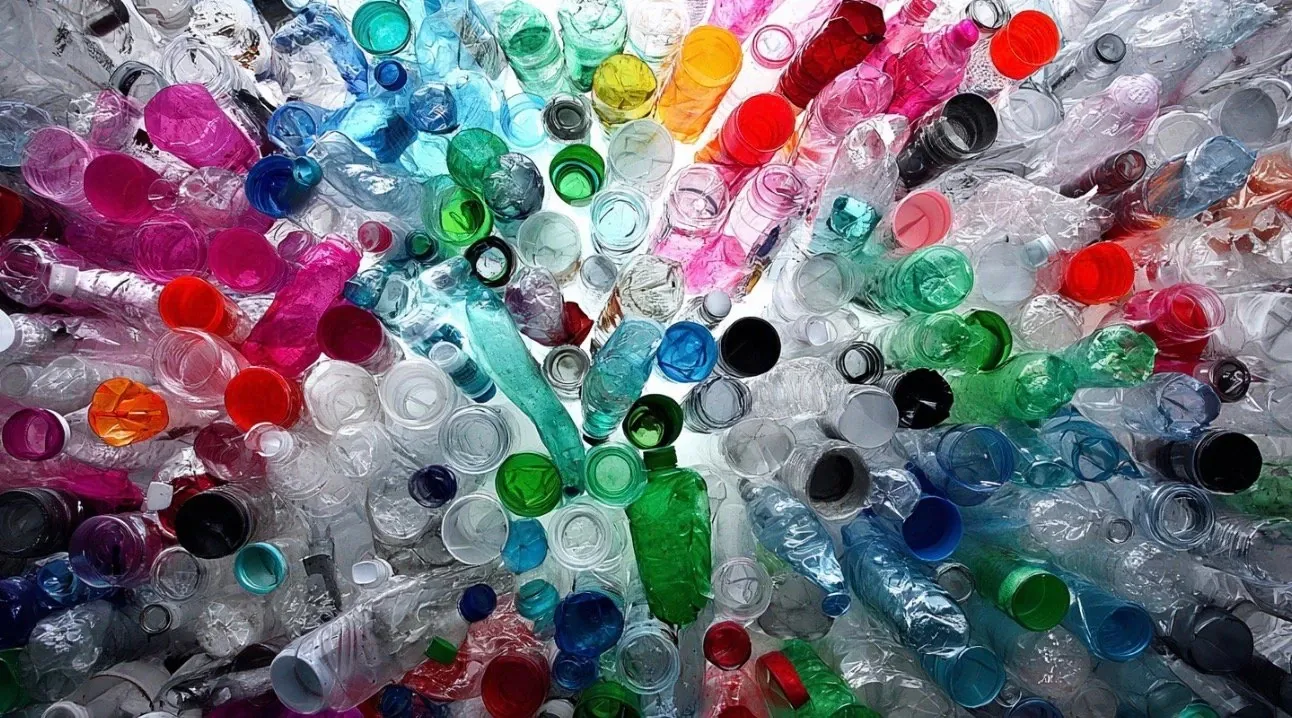
What if the solution to one of humanity’s most pressing environmental crises has been hiding in plain sight all along? With over 400 million tons of plastic produced annually and only a fraction of it recycled, the world is drowning in waste. Beaches are littered with discarded bottles, marine life is choking on microplastics, and landfills are overflowing with materials that will outlive us by centuries. Yet, amidst this grim reality, a wave of new innovations is emerging, challenging the notion that plastic waste is an unsolvable problem. Could these advancements finally tip the scales in our favor, transforming plastic from an environmental villain into a resource for a sustainable future?
This feature Matt Ferrell explores the innovative technologies and bold ideas reshaping how we think about plastic. From enzymes that can break down polyester textiles to fantastic options that make recycling cheaper and more efficient, these innovations are not just theoretical, they’re already being tested and scaled. But the story doesn’t end there. You’ll also discover how bioplastics, reusable materials, and policy shifts are working in tandem to create a circular economy for plastics. The road ahead is complex, but the possibilities are profound. Are we truly on the brink of solving the plastic problem, or is this just the beginning of a longer journey? Let’s unpack the potential, and the challenges, together.
Advancing Plastic Recycling Solutions
TL;DR Key Takeaways :
- Only 15% of global plastic waste is recycled, with the U.S. recycling rate dropping to a concerning 5%, highlighting the urgent need for innovative solutions to address the plastic waste crisis.
- Advanced recycling technologies, such as Northwestern University’s nickel-based fantastic option, South Korea’s hydrogen plasma torch, and Carbios enzymatic recycling, are transforming the recycling landscape by improving efficiency and allowing the processing of previously unrecyclable plastics.
- Challenges such as high energy consumption, reliance on fossil fuels, and economic scalability must be addressed through targeted policies, subsidies, and investments to ensure the viability of these advanced recycling methods.
- Exploring alternatives like compostable bioplastics and reusable materials, alongside advanced recycling technologies, can significantly reduce the environmental impact of plastic waste and promote a circular economy.
- A holistic approach combining innovation, policy support, and public engagement is essential to transition toward a sustainable future where plastic waste is reclaimed and reused as a valuable resource.
Innovative Technologies Transforming Plastic Recycling
To overcome the limitations of traditional recycling, researchers are pioneering advanced methods that break plastics down into their chemical building blocks. These innovations aim to increase recycling efficiency, reduce reliance on fossil fuels, and process plastics that were previously deemed unrecyclable. Below are three new technologies that are reshaping the landscape of plastic recycling:
- Northwestern University’s Nickel-Based Fantastic option: This innovative fantastic option focuses on polypropylene (PP), one of the most commonly used plastics, and transforms it into valuable byproducts such as lubricants and fuels. Unlike conventional recycling methods, it operates at lower temperatures, tolerates contamination (including PVC), and uses inexpensive materials, making it both efficient and cost-effective. By eliminating the need for extensive sorting and cleaning, this technology offers a practical solution for managing mixed plastic waste streams.
- South Korea’s Hydrogen Plasma Torch: Using extreme temperatures ranging from 1,000 to 2,000°C, this technology breaks down mixed plastics into ethylene and benzene, which are essential chemical feedstocks for producing new plastics. Its ability to process unsorted waste with minimal byproducts makes it a streamlined and versatile recycling option. However, the high energy demands and reliance on expensive green hydrogen present significant challenges to its scalability and widespread adoption.
- Carbios Enzymatic Recycling: This process employs specialized enzymes to break down PET plastics and polyester textiles into virgin-quality feedstocks. Operating at low temperatures, it can handle mixed fabrics and dyed materials, making it highly adaptable. Carbios is actively scaling this technology and plans to license it globally, aiming to encourage widespread adoption and integration into existing recycling systems.
Balancing Economic and Environmental Factors
While these advanced technologies represent significant progress, they are not without challenges. High energy consumption, particularly for processes like the hydrogen plasma torch, and the reliance on fossil fuel-derived hydrogen raise concerns about their environmental impact and economic viability. Addressing these issues will require targeted policy measures and strategic investments. Governments could play a pivotal role by imposing penalties on virgin plastics, offering subsidies for recycled materials, and incentivizing the adoption of sustainable practices across industries.
A hybrid approach that combines mechanical and chemical recycling could further enhance efficiency and resource recovery. Clean, sorted plastics could be processed through mechanical recycling, while chemical methods could handle contaminated or mixed waste. This integrated strategy would reduce the volume of plastic waste sent to landfills or incinerators, maximizing the potential of both recycling methods.
Have We Finally Solved The Plastic Problem?

Gain further expertise in energy by checking out these recommendations.
- How MGA Thermal’s Alloy is Changing the Future of Energy
- Onshore Wave Energy: A Sustainable Solution to Harness Ocean
- How Regenerative Tech is Reducing Energy Waste and Costs
- Rain-Powered Energy : 100,000x More Electricity from Rain
- Wave Energy : The Future of Clean, Reliable Renewable Energy
- Orison Home Energy Storage System (video)
- Samsung showcases energy saving devices
- NASA’s Mechanical Battery: A Breakthrough in Sustainable Energy
- Why Sodium-Ion Batteries Are the Future of Energy Storage
Exploring Alternatives to Traditional Plastics
In addition to improving recycling technologies, exploring alternatives to conventional plastics is gaining traction as a complementary solution. Compostable bioplastics, designed to break down under specific conditions, offer a promising option for single-use items. These materials can reduce the environmental footprint of disposable products, provided they are disposed of in appropriate facilities. Meanwhile, reusable materials such as glass and aluminum present durable and sustainable alternatives for packaging and other applications. Their long lifespans and recyclability make them valuable components of a circular economy.
When combined with advanced recycling technologies, these alternatives could significantly reduce the environmental impact of plastic waste. By diversifying the materials used in production and consumption, industries can decrease their dependence on fossil fuel-derived plastics and contribute to a more sustainable future.
Building a Circular Economy for Plastics
Addressing the plastic waste crisis requires a comprehensive, multi-faceted approach. Advanced recycling technologies tailored to different plastic types and life cycle stages are essential for achieving meaningful progress. However, the successful implementation of these innovations will depend on overcoming technical and economic barriers, as well as fostering collaboration among governments, industries, and consumers.
Integrating these technologies with alternatives like compostable bioplastics and reusable materials can accelerate the transition to a circular economy for plastics. This shift would not only reduce environmental harm but also decrease reliance on finite resources such as fossil fuels. By embracing a holistic strategy that combines innovation, policy support, and public engagement, society can pave the way for a more sustainable and resilient future, where plastic waste is no longer a burden but a resource to be reclaimed and reused.
Media Credit: Undecided with Matt Ferrell
Disclosure: Some of our articles include affiliate links. If you buy something through one of these links, Geeky Gadgets may earn an affiliate commission. Learn about our Disclosure Policy.
