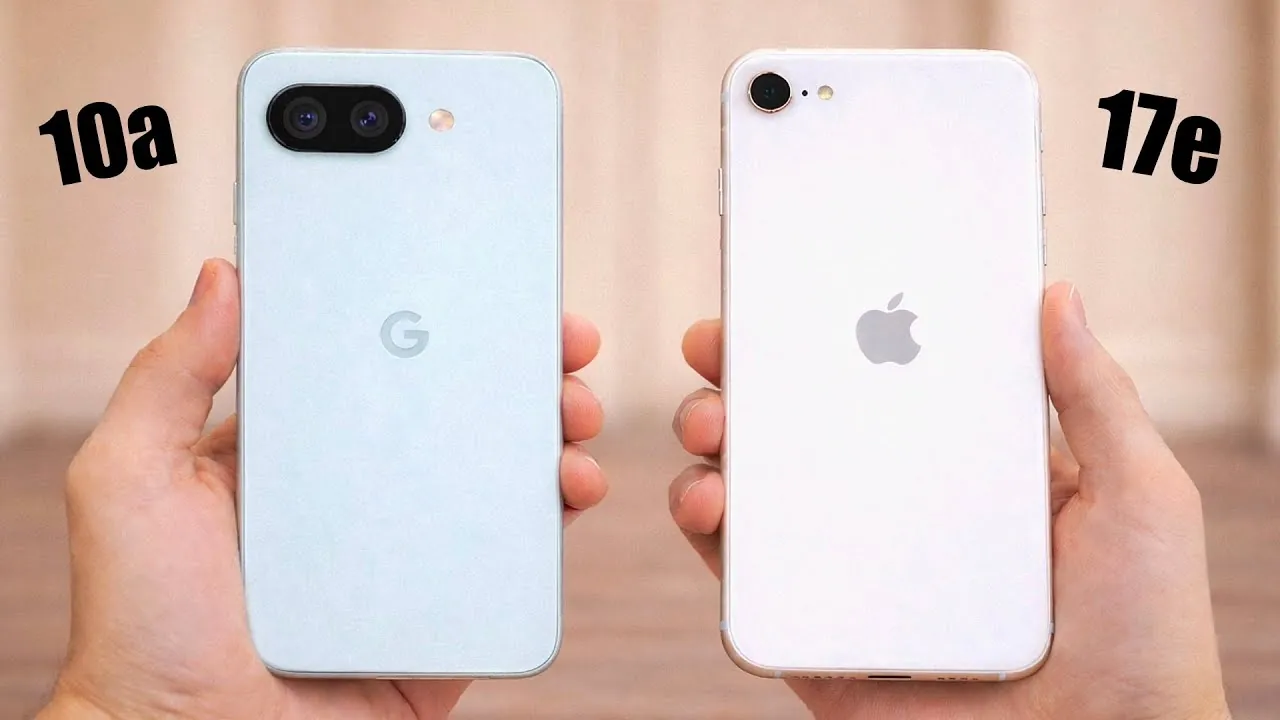
The Pixel 10a and iPhone 17e represent two standout options in the competitive budget flagship smartphone market. Each device is designed to cater to distinct user preferences, offering unique strengths that appeal to different priorities. The Pixel 10a emphasizes hardware versatility, affordability, and practical features, while the iPhone 17e focuses on performance, seamless ecosystem integration, and a premium design. Choosing between these two devices ultimately depends on whether you prioritize feature-packed hardware or a refined, cohesive user experience. The video below from Tech Town gives us more details on how the two handsets compare.

Display Technology: Smooth Scrolling or Interactive Design?
The display is one of the most noticeable differences between the Pixel 10a and the iPhone 17e, with each device offering distinct advantages.
- Pixel 10a: Equipped with a 6.3-inch OLED screen featuring a 120 Hz refresh rate and a peak brightness of 3000 nits. This combination ensures smooth scrolling, vibrant visuals, and excellent outdoor visibility, making it ideal for users who consume a lot of media or games on their devices.
- iPhone 17e: Features a slightly smaller 6.1-inch Super Retina XDR display with a 60 Hz refresh rate. While the refresh rate is lower, Apple’s Dynamic Island design adds an interactive element, enhancing multitasking and providing a unique way to manage notifications and controls.
If you prioritize fluid visuals and high brightness for outdoor use, the Pixel 10a is the better choice. However, the iPhone 17e’s innovative design and interactive features may appeal to those who value functionality and a unique user interface.
Camera Technology: Hardware Flexibility or Software Precision?
Photography is another area where these devices take different approaches, offering distinct strengths depending on your preferences.
- Pixel 10a: Comes with a dual-camera system, including a 48 MP main sensor and a 13 MP ultrawide lens. This setup provides versatility for capturing a variety of scenes, from wide landscapes to detailed close-ups. Google’s computational photography further enhances image quality, particularly in low-light conditions.
- iPhone 17e: Features a single 48 MP main camera, relying heavily on Apple’s advanced computational photography. The software optimization ensures consistently high-quality images, with features like Smart HDR and Deep Fusion delivering excellent results in various lighting conditions.
For users who value hardware flexibility and diverse shooting options, the Pixel 10a is a strong contender. On the other hand, the iPhone 17e excels in software-driven precision, making it ideal for those who prefer reliable, high-quality results with minimal effort.
Performance: AI-Driven Efficiency or Raw Power?
Performance is a critical factor for many users, and both devices excel in their own ways, depending on your needs.
- Pixel 10a: Powered by Google’s Tensor G4 chip, which is optimized for AI-driven tasks such as voice recognition, real-time translation, and advanced photo editing. This chip also ensures seamless integration with Google’s software ecosystem, making it a great choice for productivity and smart features.
- iPhone 17e: Features Apple’s A19 Bionic chip, known for its raw processing power and energy efficiency. This makes the iPhone 17e ideal for demanding tasks like gaming, video editing, and long-term performance reliability.
If you prioritize AI capabilities and software synergy, the Pixel 10a is a compelling option. For those who demand peak performance and long-term reliability, the iPhone 17e is the clear winner.
Battery and Charging: Capacity or Efficiency?
Battery life and charging capabilities are essential considerations for everyday use, and the two devices offer different strengths in this area.
- Pixel 10a: Equipped with a 5100 mAh battery and supports 45W wired charging, allowing it to reach 50% charge in just 30 minutes. This makes it perfect for users who need quick top-ups and extended usage throughout the day.
- iPhone 17e: Offers a smaller ~4000 mAh battery, but compensates with Apple’s iOS optimization, which ensures efficient power management. It also supports MagSafe wireless charging at 20-25W, providing added convenience for users invested in the Apple ecosystem.
For those who value fast charging and a larger battery capacity, the Pixel 10a is the better choice. However, if you prefer efficiency and the convenience of wireless charging, the iPhone 17e stands out.
Build and Biometrics: Practicality or Luxury?
The build quality and biometric features of these devices reflect their distinct philosophies, catering to different user preferences.
- Pixel 10a: Features a lightweight plastic rear panel, making it more durable and resistant to accidental drops. It includes an under-display fingerprint sensor and basic face unlock, prioritizing practicality and affordability.
- iPhone 17e: Features a premium glass front and back, delivering a luxurious feel and aesthetic appeal. It also includes Face ID, Apple’s secure and advanced facial authentication system, which is both fast and reliable.
If you value practicality and cost-effectiveness, the Pixel 10a is a sensible choice. For those who prioritize premium materials and advanced security, the iPhone 17e offers a more luxurious experience.
Ecosystem Integration: Flexibility or Cohesion?
Ecosystem integration plays a significant role in the overall user experience, and the two devices take different approaches.
- Pixel 10a: Focuses on hardware value and flexibility, allowing users to customize their experience with minimal constraints. It integrates well with Google services and third-party apps, making it a versatile option for those who prefer an open ecosystem.
- iPhone 17e: Excels in ecosystem reliability, offering seamless integration with other Apple devices and services such as iCloud, AirDrop, and Apple Watch. This makes it an excellent choice for users already invested in the Apple ecosystem.
If you prefer an open, adaptable experience, the Pixel 10a is ideal. For those who value a cohesive and dependable ecosystem, the iPhone 17e is unmatched.
Price and Target Audience
Price is often a deciding factor in the budget flagship category, and the two devices cater to different audiences.
- Pixel 10a: Expected to be more affordable, making it appealing to users seeking feature-rich hardware without overspending. It’s a great option for those who prioritize value and practicality.
- iPhone 17e: Positioned for users willing to invest in performance, security, and ecosystem benefits. It appeals to those who value premium features and are already part of the Apple ecosystem.
Your decision will ultimately depend on whether you prioritize affordability or premium features.
Here are additional guides from our expansive article library that you may find useful on the Pixel 10a vs iPhone 17e comparison.
- Google Pixel 10A: Is It Worth the Upgrade or Just Another Iteration?
- The iPhone 17e Changes Everything for Budget Buyers
- Apple’s iPhone 17e The Budget Smartphone Revolution?
- iPhone 17e Release Date, Price, and Features Explained
- iPhone 17 Pro Max: These 12 Leaks Will BLOW YOUR MIND!
Source & Image Credit: Tech Town
Disclosure: Some of our articles include affiliate links. If you buy something through one of these links, Geeky Gadgets may earn an affiliate commission. Learn about our Disclosure Policy.
