FUTC has categorized every Adobe application by assigning each a distinct “vibe,” creating a structured way to interpret their roles in creative workflows. For instance, Photoshop is characterized as adaptable and multifaceted, reflecting its broad utility in design and editing, while Premiere Pro is described as a meticulous storyteller, emphasizing its focus on timeline-based video editing. This approach connects the technical features of each program to broader creative identities, offering a fresh lens for understanding their contributions.
Discover how Adobe applications align with specific creative archetypes and workflows. Learn how features like Photoshop’s PSD compatibility or Premiere Pro’s timeline tools embody their assigned “vibes.” The analysis also provide more insights into the implications of attributing emotional or aesthetic identities to software, providing a framework for rethinking how we engage with these programs in practice.
What Are the Craft Apps?
TL;DR Key Takeaways :
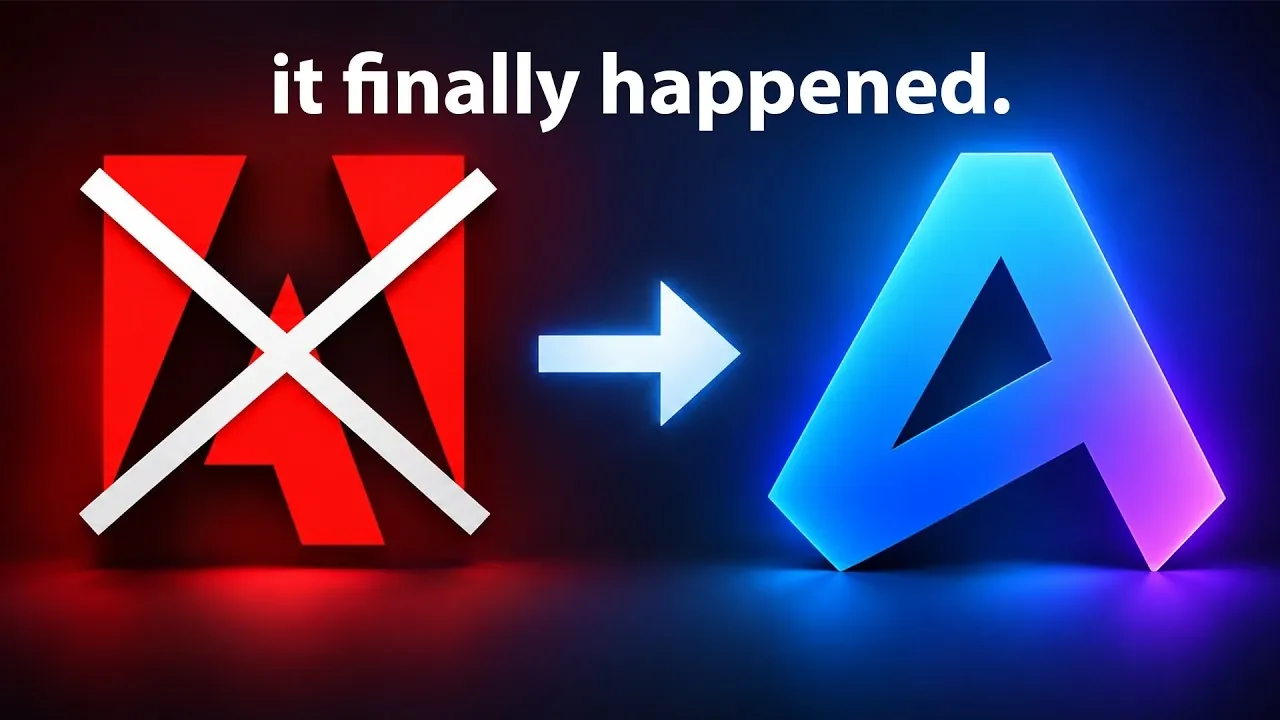
- ArtCraft has launched the “Craft” apps, a free, open source suite of creative tools built in Rust, offering alternatives to Adobe’s Photoshop, Lightroom and Premiere Pro.
- The suite includes PhotoCraft (PSD editing), LightCraft (RAW editing and Lightroom preset support), and FilmCraft (basic video editing with GPU acceleration), all available on Linux, Windows and Mac.
- Craft apps are designed with a clean-room implementation, making sure no proprietary Adobe code was used, making them legally distinct and subscription-free.
- These tools address a significant gap for Linux users, providing professional-grade creative software natively on the platform for the first time.
- While still in development, the Craft apps show promise with frequent updates planned, aiming to add advanced features and compete with Adobe’s industry-standard tools.
ArtCraft’s suite of tools is tailored to meet the diverse needs of creative professionals, offering the following applications:
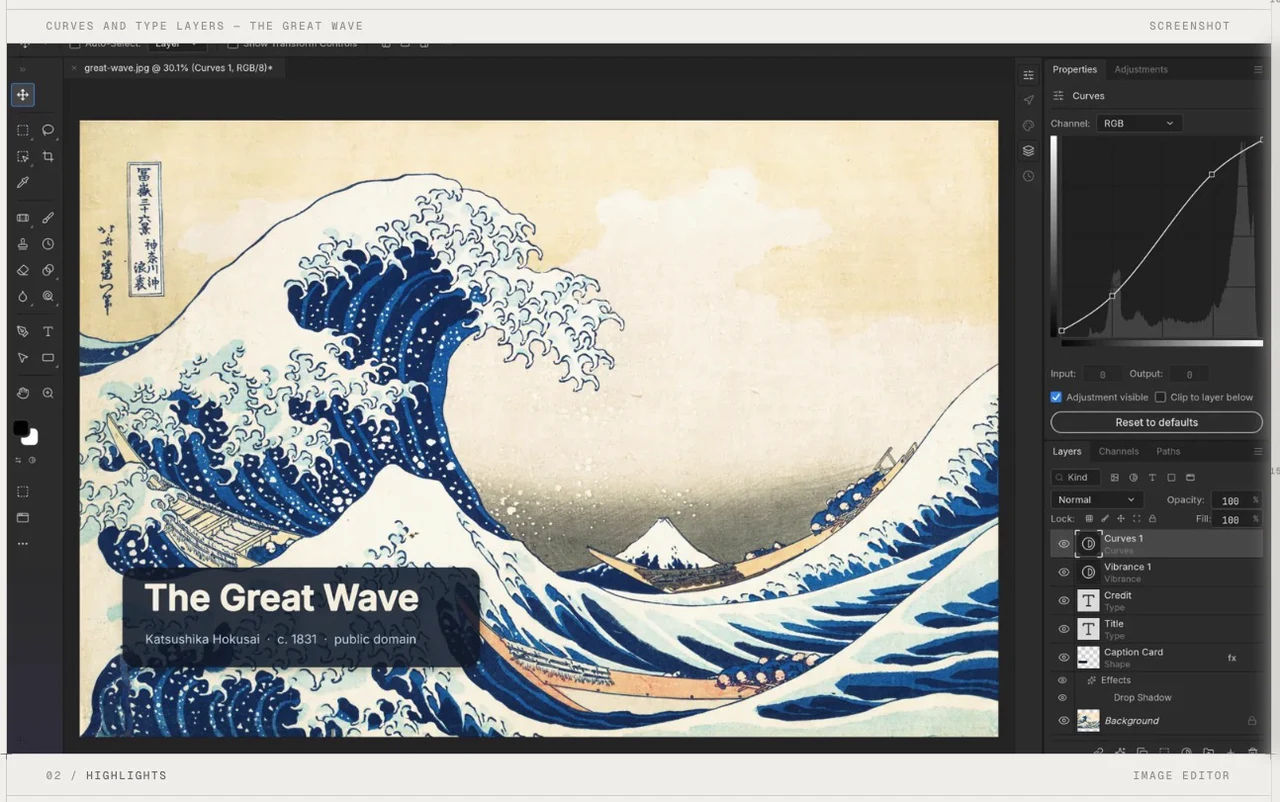
- PhotoCraft: A robust alternative to Photoshop, complete with PSD file support for seamless project compatibility.
- LightCraft: A Lightroom equivalent, featuring advanced RAW file editing and compatibility with Lightroom presets.
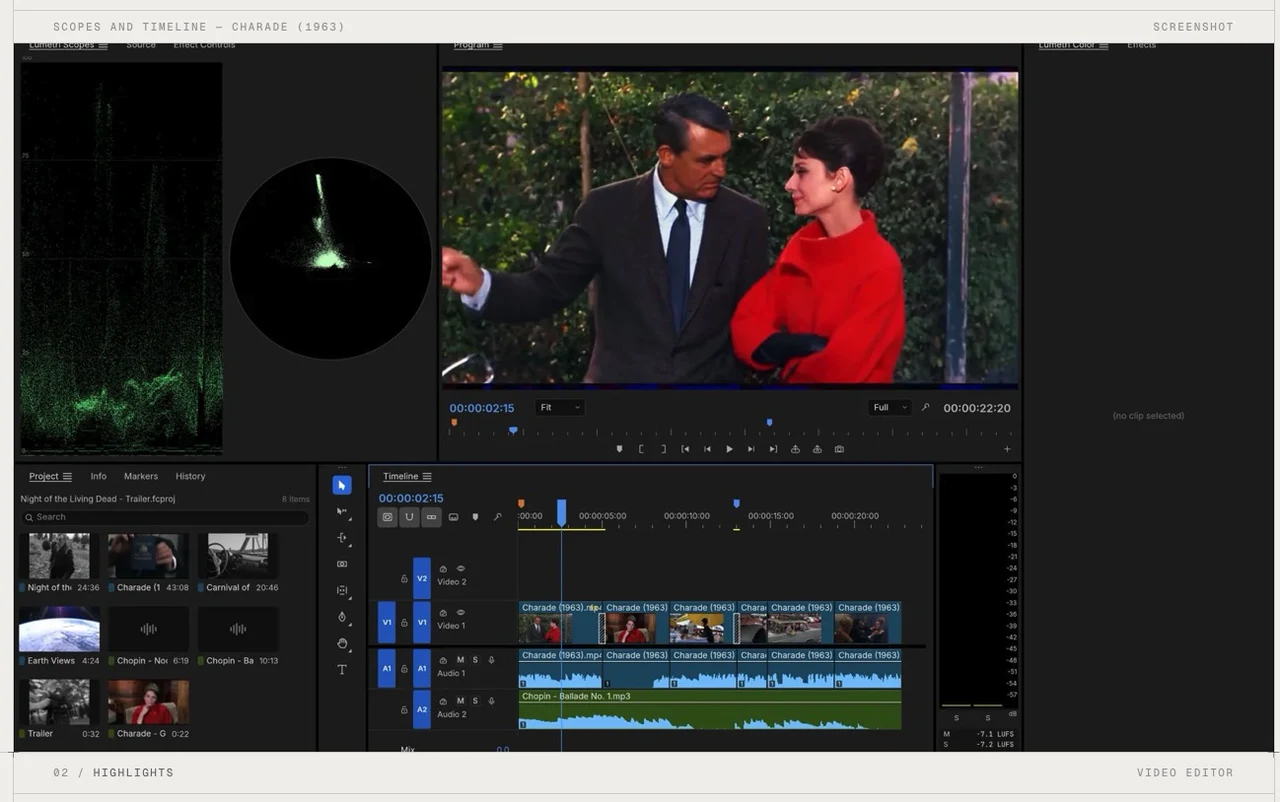
- FilmCraft: A video editing tool inspired by Premiere Pro, currently in development, offering basic editing capabilities.
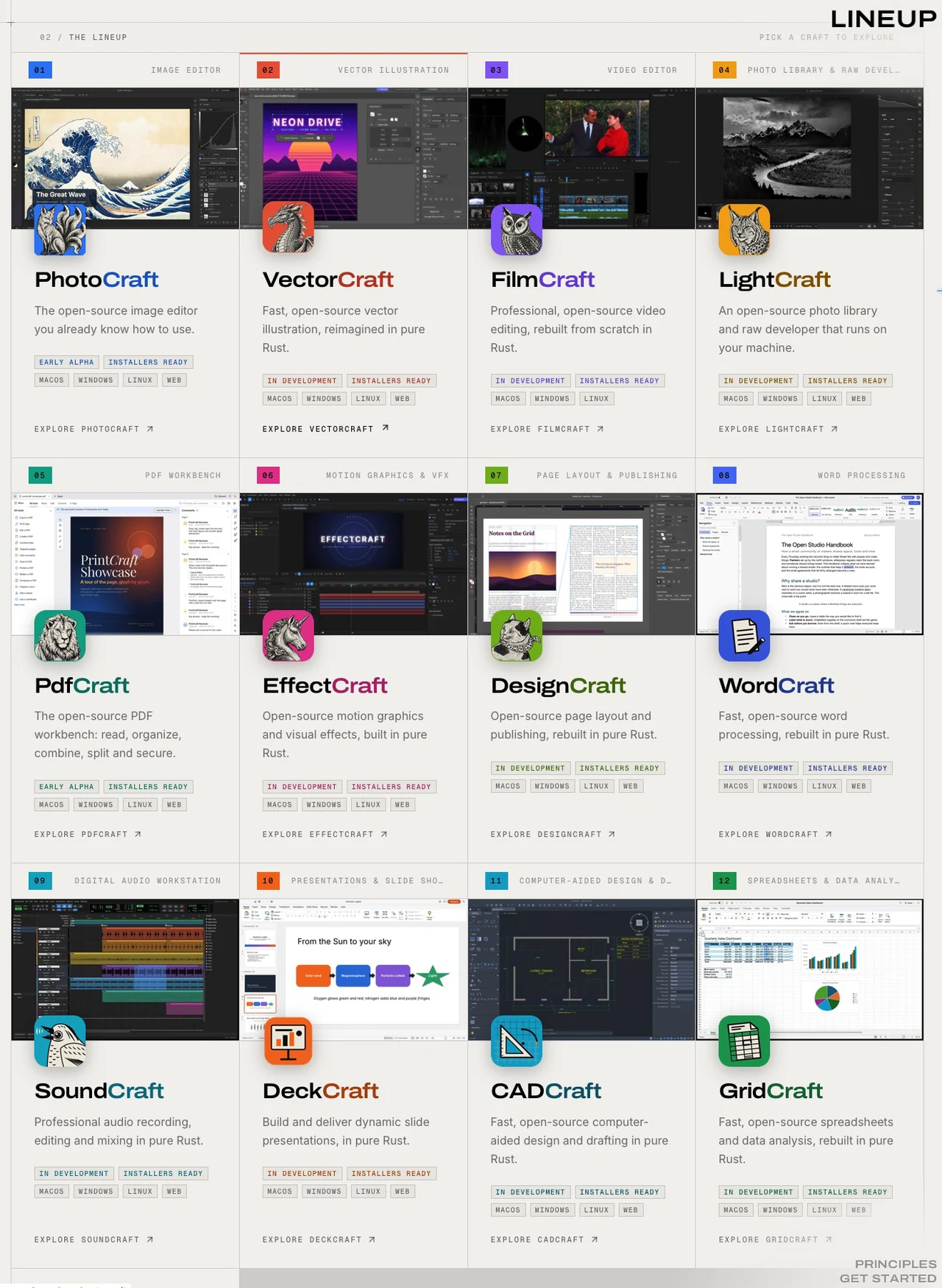
Each application is built from the ground up in Rust, a modern programming language celebrated for its performance and safety. The clean-room implementation ensures that no proprietary Adobe code was used during development, making the tools legally distinct and fully independent. By adopting an open source, subscription-free model, ArtCraft is making professional-grade creative tools more accessible to a global audience, particularly benefiting users who seek cost-effective alternatives to Adobe’s subscription-based services.
Key Features and Functionality
The Craft apps are designed to closely emulate Adobe’s tools, offering a range of features that cater to photographers, designers and video editors:
- PhotoCraft: Provides PSD file editing, allowing users to integrate the app into existing workflows without compatibility concerns.
- LightCraft: Delivers advanced RAW file editing capabilities and supports Lightroom presets, making it an attractive choice for photographers.
- FilmCraft: Includes basic video editing tools and GPU hardware acceleration for enhanced performance, with plans for more advanced features in future updates.
A key strength of the Craft apps is their cross-platform compatibility, making sure smooth operation on Linux, Windows and Mac systems. This universality is particularly impactful for Linux users, who now have access to professional-grade creative tools without the need to rely on proprietary software or dual-boot into other operating systems. By addressing this long-standing gap, ArtCraft is empowering creatives to work more efficiently within their preferred environments.
Performance and Current Limitations
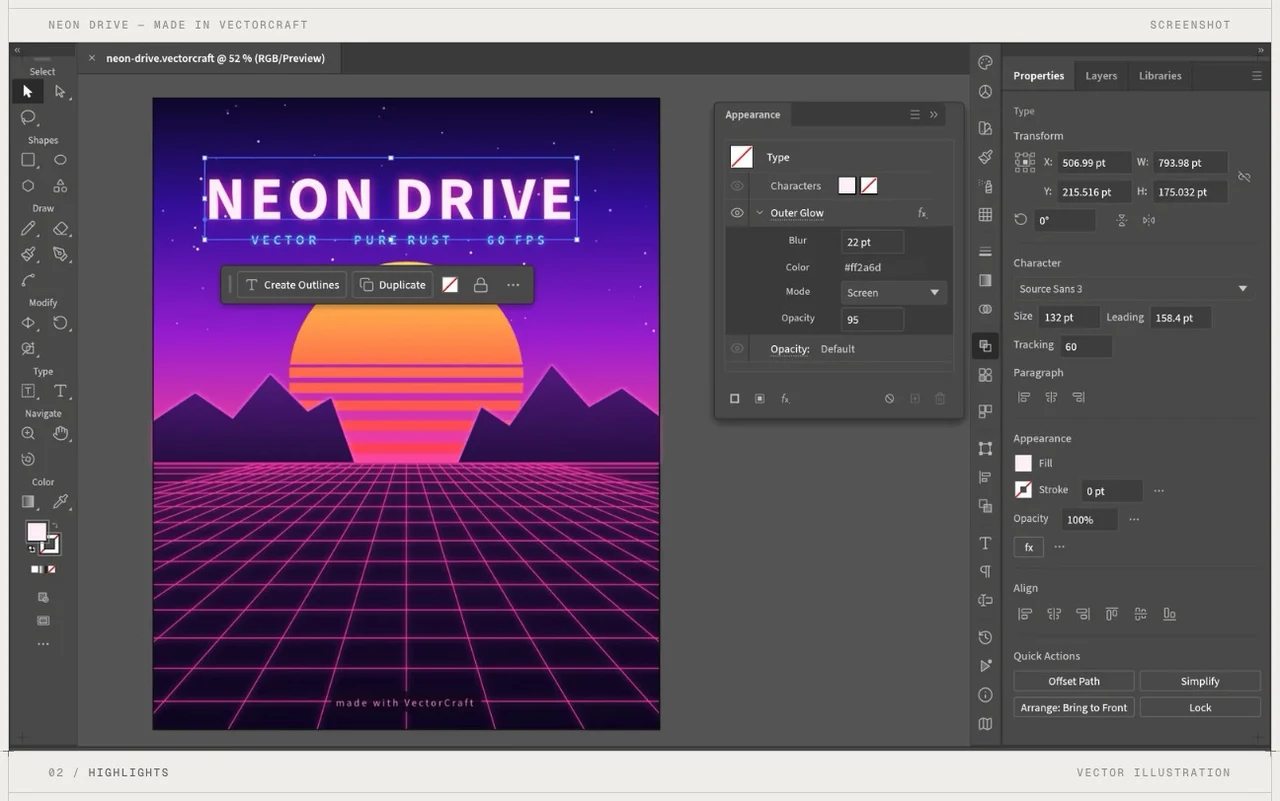
While the Craft apps show considerable promise, they remain in the early stages of development. PhotoCraft and LightCraft already demonstrate strong functionality, but certain advanced features, such as masking tools and AI-based object detection, are still under development. FilmCraft, while functional for basic video editing tasks, currently lacks the advanced capabilities and refined interface of its Adobe counterpart.
One notable feature across all the Craft apps is GPU hardware acceleration, which significantly enhances performance and ensures smoother workflows. However, some areas, such as grain rendering and advanced color grading, require further refinement to match the precision and quality offered by Adobe’s tools. Despite these limitations, the Craft apps provide a solid foundation for future growth and innovation, with frequent updates expected to address these gaps over time.

Enhance your knowledge on Adobe alternatives by exploring a selection of articles and guides on the subject.
- Free Artcraft Suite Created With Claude AI Replaces 7 Adobe Apps
- Best Adobe app alternatives in 2024
Industry Implications
ArtCraft’s initiative represents a significant challenge to the dominance of subscription-based software models like Adobe Creative Cloud. By offering free, open source alternatives, the Craft apps highlight the growing potential of community-driven software development in the creative industry. This project underscores the viability of open source innovation, demonstrating that high-quality tools can be developed without reliance on proprietary frameworks or restrictive licensing models.
However, the striking similarity of the Craft apps to Adobe’s software could invite legal scrutiny. While the clean-room implementation provides a degree of legal protection, the potential for intellectual property disputes remains a concern. ArtCraft’s ability to navigate these challenges will be critical to the long-term success and adoption of the Craft apps.
A New Era for Linux Users
For Linux users, the Craft apps represent a fantastic development. Adobe’s longstanding lack of support for Linux has been a significant barrier for creatives, often forcing them to seek less effective alternatives or resort to dual-booting into Windows or macOS. ArtCraft’s tools address this issue head-on, providing professional-grade software that runs natively on Linux. This advancement is particularly significant for photographers, designers and video editors who rely on Linux for their workflows, offering them a level of functionality and accessibility that was previously unavailable.
Future Development and Potential
ArtCraft is actively working to enhance the Craft apps, with frequent updates and new features planned for the future. The development roadmap includes the addition of advanced editing tools, AI-driven enhancements and other capabilities that could position the Craft apps as viable replacements for Adobe’s software. As these tools continue to evolve, they are likely to gain broader adoption among creatives seeking cost-effective, open source solutions.
The Craft apps also have the potential to inspire further innovation within the open source community, encouraging developers to collaborate on new features and improvements. This collaborative approach could accelerate the pace of development and ensure that the tools remain competitive with proprietary alternatives.
Empowering Creatives Worldwide
ArtCraft’s Craft apps mark a significant milestone in the creative software landscape. By providing free, cross-platform tools built on modern technology, they offer a compelling alternative to Adobe’s subscription-based model. While the apps are still evolving, their potential to disrupt the industry and empower creatives worldwide is undeniable. For Linux users and open source advocates, the Craft apps represent a major step forward, making professional-grade creative software more accessible than ever before.
Media Credit: FUTC
Disclosure: Some of our articles include affiliate links. If you buy something through one of these links, Geeky Gadgets may earn an affiliate commission. Learn about our Disclosure Policy.
