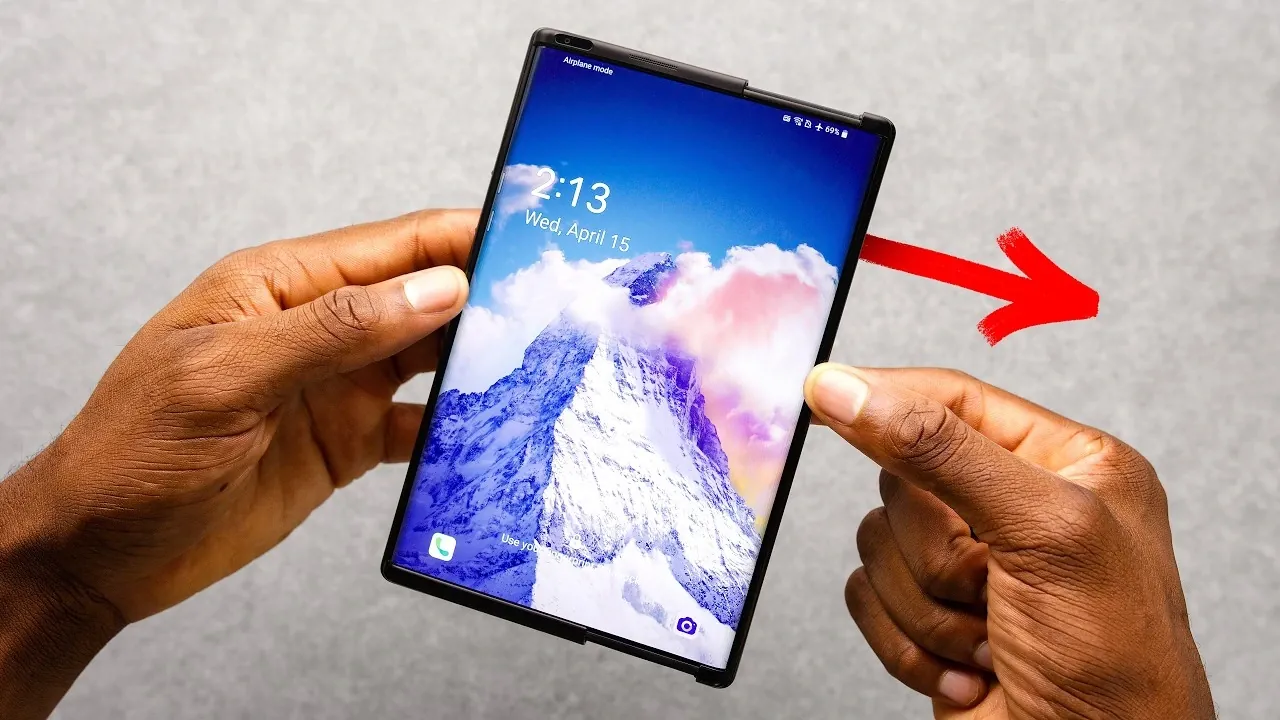
LG, a company renowned for its bold and unconventional approach to smartphone design, was on the verge of introducing a new innovation with its rollable smartphone concept. This device, capable of transitioning from a 6.7-inch phone to a 7.4-inch mini tablet through an expandable display, embodied LG’s vision of pushing the boundaries of mobile technology. However, financial challenges and unresolved technical hurdles prevented this ambitious project from reaching the market. By examining its features, engineering achievements, and the challenges it faced, we can better understand the significance of this unrealized innovation. The video below from Marques Brownlee gives us a look at this unreleased LG rollable device.

LG’s Legacy of Bold Innovation
LG has consistently been at the forefront of experimenting with unconventional smartphone designs. The company’s portfolio includes devices like the LG Wing, which featured a unique T-shaped dual-screen layout and the LG G8X, which introduced a detachable dual-screen case. These products reflected LG’s willingness to challenge industry norms and explore new possibilities in mobile technology.
Despite its reputation for innovation, LG struggled to establish a consistent flagship product that could drive sustainable revenue. This financial instability culminated in the closure of its mobile division in 2021. As a result, several promising projects, including the rollable smartphone, were left unfinished. Nevertheless, LG’s legacy of daring innovation remains a significant chapter in the evolution of smartphones.
What Made the Rollable Smartphone Unique?
The rollable smartphone was designed to stand out in an increasingly competitive market. Its most distinctive feature was its expandable display, which allowed users to transform the device from a standard 6.7-inch phone into a 7.4-inch mini tablet with a simple swipe gesture. This transformation was made possible by a flexible OLED display that rolled into the device’s body when not in use, creating a sleek and futuristic aesthetic.
In addition to its expandable display, the rollable smartphone boasted other innovative features:
- A hidden secondary screen located behind the main display, visible through a transparent glass panel on the back. This feature enhanced functionality without compromising the device’s design.
- Software optimized to adapt seamlessly to the device’s open and closed states, making sure smooth animations and intuitive user interactions.
These features highlighted LG’s commitment to combining innovative technology with practical usability, offering a glimpse into the future of mobile devices.
Engineering Feats and Design Challenges
The rollable smartphone was a testament to LG’s engineering ingenuity. The expandable display was powered by robust internal motors, designed to handle external pressure and self-close to prevent damage. To maintain a minimalist design, LG replaced traditional buttons with pressure-sensitive volume controls and integrated a fingerprint reader into the rear-mounted power button.
However, the device faced several design challenges:
- The flexible display, while innovative, was prone to damage, raising concerns about its long-term durability.
- The rolling mechanism’s visible gear teeth detracted from the device’s otherwise sleek appearance.
- The lack of water and dust resistance made the device less practical for everyday use compared to traditional smartphones.
These challenges, coupled with the high cost of production, made it difficult for LG to bring the rollable smartphone to market. Despite these obstacles, the engineering achievements behind the device remain a remarkable example of technological ambition.
Specifications and Performance
LG equipped the rollable smartphone with hardware that complemented its futuristic design. Key specifications included:
- A 4500mAh battery, providing sufficient power to support the device’s advanced features and expandable display.
- 12GB of RAM, making sure smooth multitasking and high performance for demanding applications.
- A dual-camera system featuring a 64MP main sensor and a 12MP ultrawide lens, catering to photography enthusiasts.
Additionally, LG addressed a common issue with foldable displays by minimizing the screen crease, although it was not entirely eliminated. These specifications underscored LG’s intent to deliver a high-performance device that matched its innovative design, offering both functionality and style.
The Challenges That Halted Production
Despite its potential, the rollable smartphone faced significant obstacles that ultimately halted its production. The device’s overengineering and unresolved durability issues made mass production a risky and costly endeavor. Combined with LG’s financial struggles, the company was unable to justify the substantial investment required to bring the rollable smartphone to market. As a result, this ambitious concept remained a prototype, never reaching consumers’ hands.
A Legacy That Inspires
Although LG exited the smartphone market in 2021, the rollable smartphone’s innovative design continues to influence the industry. Competitors such as Samsung and other technology leaders are actively exploring similar concepts, demonstrating that LG’s pioneering ideas have left a lasting impact. The rollable smartphone serves as a symbol of what is possible when companies dare to think beyond conventional boundaries.
While the device never became a commercial reality, it stands as a testament to LG’s commitment to innovation and its willingness to challenge the status quo. The rollable smartphone remains an inspiring example of how bold ideas can shape the future of technology, even if they do not come to fruition.
Advance your skills in Rollable smartphone by reading more of our detailed content.
- Samsung Galaxy Z Roll 5G: Features, Specs and Release Date
- The Magic of the Samsung Galaxy Z 5G Roll Revealed
- Samsung Galaxy Z Roll 5G: 12.4-Inch Rollable Display Specs
- Samsung Galaxy Z Roll 5G: $2,799 Price, Specs, & Release Date
- Samsung’s Z Roll 5G: Everything We Know So Far
Source & Image Credit: Marques Brownlee
Disclosure: Some of our articles include affiliate links. If you buy something through one of these links, Geeky Gadgets may earn an affiliate commission. Learn about our Disclosure Policy.
