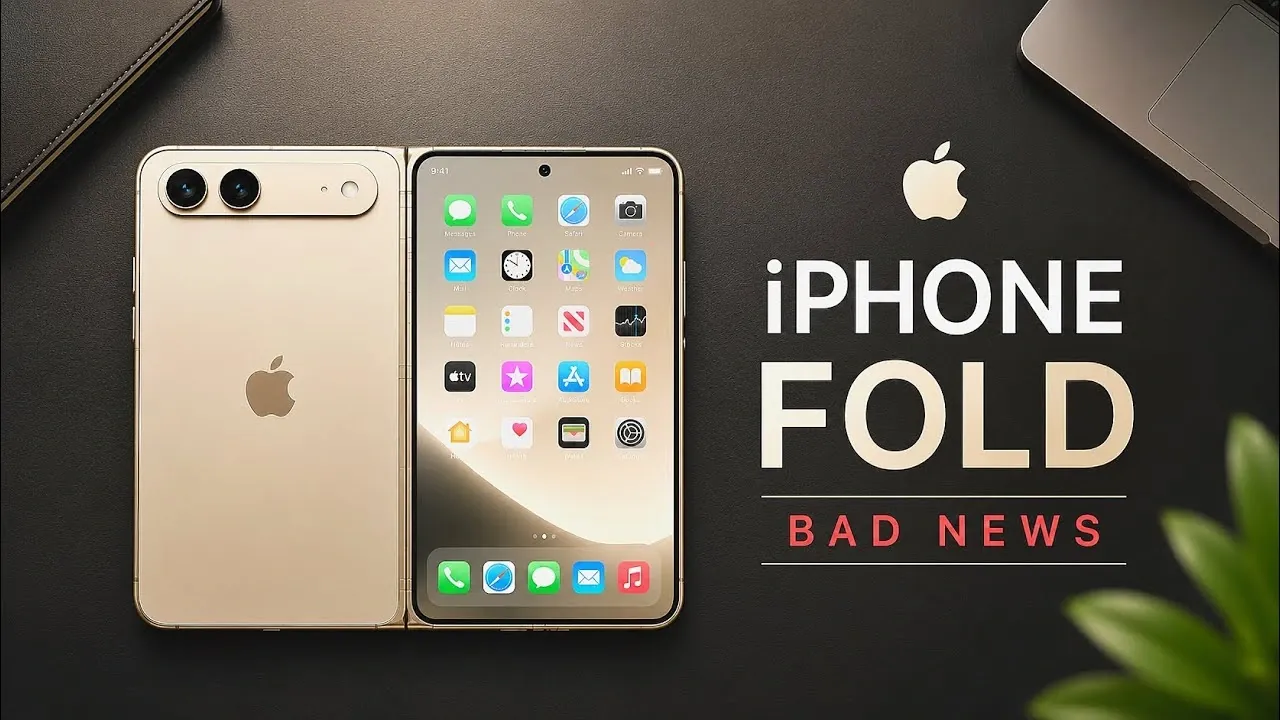
Apple’s much-anticipated entry into the foldable smartphone market, the iPhone Ultra Fold, has encountered a delay. Initially expected to debut in September, the launch is now rumored to be postponed until early next year. While this delay may disappoint eager fans, the device’s innovative features and design could still position it as a significant contender in the foldable smartphone category. However, its premium price tag and phased release strategy may limit its immediate appeal to a broader audience. The video below from Tech Town gives us more details.

Launch Timeline: A Strategic Delay
The iPhone Ultra Fold was originally set to be unveiled during Apple’s annual September event, a time when the company traditionally showcases its latest innovations. However, recent reports suggest the official release has been pushed to early next year. While Apple may still provide a sneak preview of the device during the September event, the full launch is expected to follow several months later.
This delay could serve a dual purpose. On one hand, it allows Apple additional time to refine the device, making sure it meets the high standards expected by its loyal user base. On the other hand, the postponement means Apple will miss the crucial holiday shopping season, which could give competitors like Samsung, whose Galaxy Z Fold series dominates the foldable market, a temporary advantage. Nevertheless, Apple’s strategic timing could align with a less crowded release window, potentially maximizing its impact.
Design and Features: A Foldable iPad Experience
The iPhone Ultra Fold is rumored to feature a book-style foldable design, drawing comparisons to Samsung’s Galaxy Z Fold. The outer display is expected to measure between 5.3 and 5.5 inches, while the inner display will expand to 7.7 to 7.8 inches when unfolded. With a 4:3 aspect ratio, the device aims to deliver an experience akin to using an iPad, making it particularly appealing for multitasking, productivity and media consumption.
Apple is reportedly prioritizing durability and portability by incorporating a titanium frame with aluminum components. When unfolded, the device is expected to measure a mere 4.5 mm in thickness, increasing to 9.5 to 11 mm when folded. A liquid metal hinge and specialized adhesives are said to minimize creases on the inner display, addressing a common issue that has plagued foldable smartphones. These design choices underscore Apple’s commitment to creating a sleek yet robust device that stands out in a competitive market.
Hardware Specifications: Power Meets Efficiency
At the heart of the iPhone Ultra Fold will be Apple’s next-generation A20 processor, which promises exceptional performance and energy efficiency. The device is expected to include 12 GB of RAM, making sure seamless multitasking and storage options ranging from 256 GB to 1 TB, catering to a wide range of users, from casual consumers to professionals with demanding needs.
Battery life is another critical focus. The device is rumored to feature a 588 mAh battery, which may appear modest compared to traditional smartphones. However, Apple’s renowned hardware-software optimization could ensure all-day usage despite the smaller battery capacity. Additionally, the foldable design may lead to the return of Touch ID, integrated into the power button. This feature could serve as a practical alternative to Face ID, particularly given the unique space constraints of a foldable device.
Pricing: A Premium Device for a Niche Audience
The iPhone Ultra Fold is expected to start at a price between $1,999 and $2,399, making it Apple’s most expensive iPhone to date. This premium pricing reflects the advanced technology and high-quality materials used in its construction. However, it also positions the device as a niche product, likely appealing to early adopters and dedicated Apple enthusiasts rather than the broader market.
Analysts predict first-year shipments of approximately 11 million units, a modest figure compared to Apple’s standard iPhone models. This suggests that while the Ultra Fold may not achieve mass-market success immediately, it could serve as a stepping stone for future innovations in the foldable smartphone category. The high price point and limited availability may also help Apple gauge consumer interest before committing to larger-scale production.
Release Strategy: A Phased Approach
Apple’s release strategy for the iPhone Ultra Fold appears to be part of a broader plan tied to its upcoming iPhone 18 series. Premium models, including the iPhone 18 Pro, Pro Max and the foldable Ultra Fold, are expected to launch first. Standard models like the iPhone 18, iPhone 18 Plus and a rumored iPhone Air will follow several months later.
This staggered approach could help Apple manage production challenges while maintaining consumer interest over an extended period. It also allows the company to test the waters with its foldable device, gathering valuable feedback before scaling up production. By adopting this phased strategy, Apple can ensure a smoother rollout while keeping its audience engaged.
Market Position: Competing in a Crowded Field
Apple’s entry into the foldable smartphone market marks a bold move, but immediate dominance seems unlikely. Samsung, with its Galaxy Z Fold and Z Flip series, has a significant head start and an established customer base. However, Apple’s reputation for design excellence and user-friendly innovation could help it carve out a substantial share of the market over time.
Industry experts suggest that while the iPhone Ultra Fold may not lead the foldable market by 2026, it could set new benchmarks for design, usability and performance. This, in turn, could pressure competitors to elevate their offerings, ultimately benefiting consumers. The device’s success will likely depend on its ability to balance premium features with practical usability, appealing to both tech enthusiasts and professionals.
A Promising Step Toward the Future
The iPhone Ultra Fold represents one of Apple’s most ambitious projects to date, blending state-of-the-art technology with a sleek, foldable design. While the delayed launch and high price may pose challenges, the device has the potential to redefine the foldable smartphone category. For Apple fans, the wait may be frustrating, but the promise of a new product could make it worth the anticipation. As Apple ventures into the foldable market, the iPhone Ultra Fold could pave the way for a new era of innovation in mobile technology.
Check out more relevant guides from our extensive collection on iPhone Fold that you might find useful.
- Why Apple’s iPhone Ultra Fold Changes Everything We Know About Smartphones
- iPhone Ultra Fold First Look: Apple Finally Went WIDE to Create the Ultimate Hybrid Device
- The ‘Passport’ iPhone Is Real: First Look at Apple’s Foldable ‘Ultra’ Design and its 7.8-inch Display
- Apple Just Confirmed 6 Major Features for the iPhone Ultra Fold
- Forget the iPhone 18: The iPhone Fold Leaks Reveal a 7.8-Inch Monster
- iPhone Ultra Fold Leaks: Every Design Feature Coming to Apple’s First Foldable
Source & Image Credit: Tech Town
Disclosure: Some of our articles include affiliate links. If you buy something through one of these links, Geeky Gadgets may earn an affiliate commission. Learn about our Disclosure Policy.
