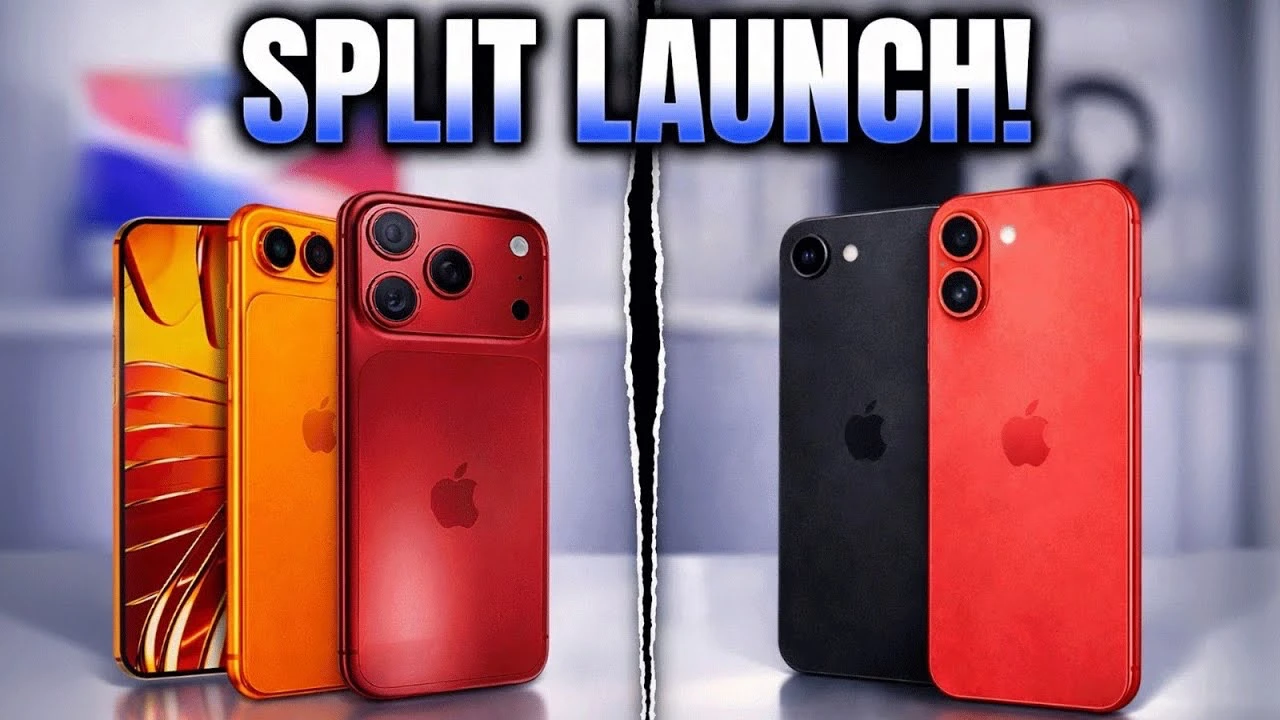
Apple is poised to introduce a fantastic change to its product release strategy in 2026. For the first time, the company plans to stagger its iPhone launches into two distinct phases. High-end models, including the iPhone 18 Pro, iPhone 18 Pro Max, and the highly anticipated foldable iPhone, will debut months ahead of the standard iPhone 18. This bold move is designed to address manufacturing complexities, optimize sales performance, and sustain consumer interest throughout the year. The video below from Matt Talks Tech gives us more details on what Apple has planned for this year’s iPhone launch.

Understanding Apple’s Split Launch Strategy
Traditionally, Apple has unveiled its entire iPhone lineup in September, creating a single, high-impact sales event. However, the new split launch strategy divides the release into two phases, each targeting different consumer segments and market needs:
- Phase One: High-end models, such as the iPhone 18 Pro, iPhone 18 Pro Max, and the foldable iPhone, are scheduled for release in late 2026. These devices will showcase Apple’s latest technological advancements and cater to premium buyers.
- Phase Two: The standard iPhone 18 and potentially an entry-level “E” model will follow in early 2027, targeting a broader audience with more accessible pricing.
This dual-phase approach introduces two major sales peaks annually, allowing Apple to maintain consumer engagement over an extended period. It also reflects the company’s response to evolving market dynamics and intensifying competition in the smartphone industry.
Why Apple Is Embracing This Strategy
Apple’s decision to adopt a split launch strategy is driven by several critical factors, each addressing specific challenges and opportunities:
- Manufacturing Complexities: High-end models, particularly the foldable iPhone, require advanced components and innovative technology. By prioritizing these devices, Apple can refine production processes for premium models without delaying the entire lineup.
- Supply Chain Management: Staggering releases allows Apple to better manage component shortages and streamline production timelines. This is especially crucial for technologies like foldable displays, which are challenging to produce at scale.
- Sales Optimization: By spreading demand across two periods, Apple reduces strain on its supply chain during peak seasons while maintaining steady sales and media attention throughout the year.
This strategy not only addresses logistical hurdles but also positions Apple to remain competitive in an increasingly crowded market, where innovation and timing are key to sustaining consumer interest.
Business Implications: A Year-Round Sales Model
The split launch strategy represents a significant evolution in Apple’s business model. By creating two major sales events—one in the fall and another in the spring—Apple can maximize revenue opportunities and sustain consumer interest year-round. This approach also enables the company to target different market segments more effectively:
- Premium Buyers: High-end consumers gain early access to innovative technology, including the foldable iPhone, which is expected to appeal to those willing to invest in innovation and exclusivity.
- Mass-Market Appeal: The delayed release of the standard iPhone 18 provides Apple with additional time to refine production and potentially lower costs, making it more accessible to budget-conscious buyers.
This dual-phase strategy could also extend Apple’s competitive edge by allowing it to respond more flexibly to market trends and consumer preferences. By maintaining a steady stream of product launches, Apple ensures consistent media coverage and consumer engagement throughout the year.
The Foldable iPhone: A New Frontier for Apple
The foldable iPhone represents a significant milestone for Apple, marking its entry into a new product category that directly competes with foldable devices from rivals like Samsung. Expected to launch in late 2026, this device could redefine smartphone design and functionality, offering users a blend of portability and expanded screen real estate.
However, the development of foldable displays presents unique challenges. These screens require advanced materials and precise manufacturing techniques, which significantly increase production costs. Apple’s decision to prioritize the foldable iPhone in its split launch underscores its commitment to innovation and market leadership.
If successful, the foldable iPhone could pave the way for future advancements in display technology, further solidifying Apple’s reputation as a trendsetter in the industry. This device is likely to appeal to tech enthusiasts and early adopters, setting the stage for broader adoption of foldable technology in the years to come.
Implications for Consumers
For consumers, Apple’s split launch strategy offers both opportunities and challenges, depending on individual preferences and purchasing priorities:
- Early Access for Premium Buyers: High-end consumers will benefit from earlier access to the latest technology, including the foldable iPhone and Pro models, allowing them to stay ahead of the curve.
- Delayed Availability for Standard Models: Those seeking the standard iPhone 18 or more budget-friendly options may need to wait several months, potentially impacting their upgrade plans.
This staggered release encourages consumers to plan their purchases more strategically, aligning their decisions with their needs and budgets. While some may appreciate the extended product cycle, others might find the delays inconvenient, particularly if they are accustomed to Apple’s traditional September launch schedule.
Long-Term Impact on Apple and the Industry
If successful, Apple’s split launch strategy could redefine its approach to product releases, replacing the traditional single September event with a more flexible, year-round model. This shift aligns with broader industry trends, where companies are adopting staggered release schedules to better adapt to technological advancements and market demands.
By balancing innovation with strategic timing, Apple’s new approach has the potential to reshape its product lifecycle and maintain its competitive edge. For consumers, industry analysts, and competitors, the coming years will be pivotal in understanding how this strategy influences Apple’s position in the global smartphone market. As the company navigates this new territory, its ability to execute the split launch effectively will determine its long-term success in an ever-evolving industry.
Dive deeper into iPhone Fold with other articles and guides we have written below.
- iPhone Fold vs Galaxy Z Fold: How Apple Plans to Dominate Samsung
- iPhone Fold vs. Galaxy Z Fold 8
- Apple’s Foldable iPhone: Features, Design, and Release Date
- Apple iPhone Fold Leak Reveals a ‘Seamless’ 7.8-inch Display
- iPhone Fold Leaks: Is Apple About to Crush Samsung?
Source & Image Credit: Matt Talks Tech
Disclosure: Some of our articles include affiliate links. If you buy something through one of these links, Geeky Gadgets may earn an affiliate commission. Learn about our Disclosure Policy.
