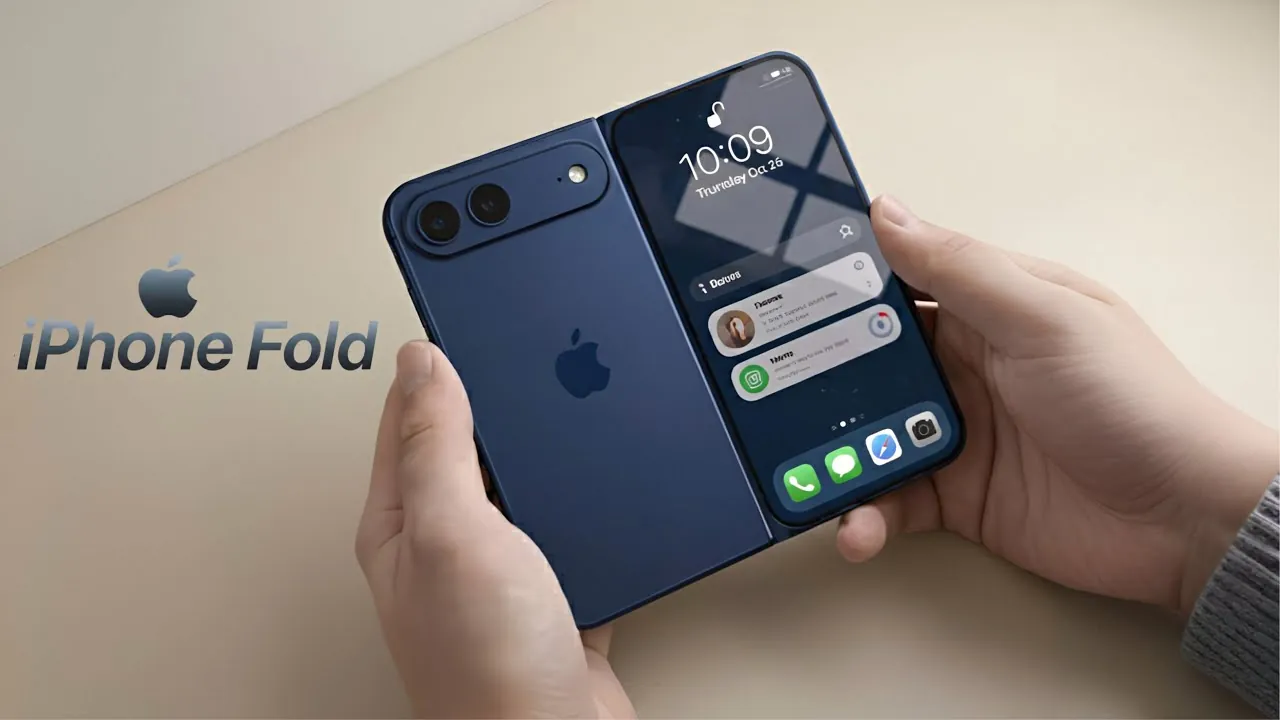
Apple is poised to make its long-anticipated entry into the foldable smartphone market with the iPhone Fold, set for release in 2026. This strategic move positions Apple as a direct competitor to Samsung, which has maintained a dominant presence in the foldable segment since the launch of its Galaxy Z Fold series in 2019. By using its globally recognized brand and tightly integrated ecosystem, Apple aims to challenge Samsung’s leadership. However, this ambitious step brings with it critical considerations, including pricing strategies, supply chain readiness, and consumer trust in a first-generation foldable device.

A Strategic Shift: Apple’s Late Entry into Foldables
The iPhone Fold represents a significant evolution in Apple’s product strategy, marking its first foray into foldable display technology. Unlike Samsung, which has iteratively refined its foldable devices over several years, Apple has opted for a more cautious approach. By waiting for the technology to mature, Apple aims to deliver a polished product that avoids the pitfalls often associated with early adoption. This calculated timing positions Apple as a late entrant but one with the potential to disrupt the market.
Apple’s strategy is expected to extend beyond hardware innovation. The company will likely emphasize seamless integration with its ecosystem, which includes iCloud, macOS, and the App Store. This interconnected approach could provide a cohesive user experience that differentiates the iPhone Fold from its competitors. By aligning the device with its broader ecosystem philosophy, Apple aims to create a compelling value proposition for its loyal customer base.
Pricing: A Balancing Act Against Samsung
Pricing will be a critical factor in the iPhone Fold’s market strategy. Industry analysts anticipate that Apple will price the iPhone Fold competitively, aligning it with Samsung’s Galaxy Z Fold 8, which is also expected to debut in 2026. To attract users to its foldable ecosystem, Apple may even consider absorbing initial losses on each unit sold, a tactic frequently employed by tech companies entering new markets.
This approach, however, presents a challenge to Apple’s traditional premium pricing model. While competitive pricing could drive adoption, it raises questions about the long-term profitability of the iPhone Fold, particularly in a niche market where production costs are high. Striking the right balance between affordability and maintaining its premium brand image will be crucial for Apple’s success.
Supply Chain Hurdles and Limited Availability
The iPhone Fold’s success will largely depend on Apple’s ability to navigate the complexities of manufacturing foldable displays. These displays require advanced materials and precision engineering, making them significantly more challenging to produce than traditional smartphone screens. Initial production volumes are expected to be limited, with broader availability likely delayed until 2027.
This phased rollout could frustrate early adopters but may also provide Apple with an opportunity to refine its manufacturing processes and address potential quality issues. Limited availability could have a dual effect: while it may drive up demand due to exclusivity, it could also inflate costs, impacting the device’s pricing strategy. Apple’s ability to manage these supply chain challenges will be a critical determinant of the iPhone Fold’s market performance.
Foldables: A Premium, Experimental Market
Foldable smartphones remain a niche product, appealing primarily to a premium audience willing to invest in innovative technology. Both Apple and Samsung view foldables as experimental devices rather than mainstream offerings. While the foldable market has shown steady growth, it still accounts for a small fraction of the overall smartphone industry.
Apple’s entry into this segment could accelerate adoption by drawing greater attention to the category. However, it is unlikely to make foldables a mainstream choice in the near term. Instead, the iPhone Fold may serve as a showcase of innovation and a testing ground for future advancements in smartphone technology.
Building Consumer Trust in First-Generation Foldables
One of the most significant challenges Apple faces is convincing consumers to trust its first-generation foldable device. Samsung has had years to address issues such as screen durability and hinge reliability, while Apple’s iPhone Fold will be untested in real-world conditions. This lack of a proven track record could make potential buyers hesitant, particularly given the premium price point.
Apple’s reputation for quality and innovation will play a crucial role in overcoming this skepticism. Clear and transparent communication about the device’s durability, performance, and support will be essential in building consumer confidence. Additionally, Apple may offer extended warranties or robust customer support programs to reassure early adopters.
Using Ecosystem Integration for Competitive Advantage
Apple’s approach to the iPhone Fold extends beyond the hardware itself. By integrating the foldable device into its broader ecosystem, Apple aims to deliver a unique value proposition that competitors may find difficult to replicate. Features such as seamless connectivity with other Apple devices, exclusive software capabilities, and access to Apple’s extensive app ecosystem could make the iPhone Fold particularly appealing to existing Apple users.
This ecosystem-driven strategy could enable Apple to capture a significant share of the foldable market, even if its hardware initially lags behind Samsung’s in certain areas. The strength of Apple’s ecosystem may prove to be a decisive factor in attracting and retaining users, offering a level of convenience and functionality that competitors struggle to match.
The Future of Foldables: Challenges and Opportunities
The launch of the iPhone Fold in 2026 is set to be a defining moment for the foldable smartphone market. Apple’s entry is expected to intensify competition, driving innovation and potentially lowering prices across the industry. However, the device’s success will depend on Apple’s ability to address key challenges, including pricing, supply chain constraints, and consumer trust.
For now, foldable devices remain a premium, experimental segment of the smartphone market. Whether they can transition from niche to mainstream will depend on advancements in technology, reductions in production costs, and broader consumer adoption. Apple’s iPhone Fold represents a calculated gamble to redefine the foldable market and challenge Samsung’s dominance, setting the stage for an exciting new chapter in smartphone innovation.
Advance your skills in iPhone Fold 2026 by reading more of our detailed content.
- 2026 iPhone Fold: Features, Specs, and Release Date
- iPhone Fold 2026: Design, Specs, and What to Expect
- Why the iPhone Fold is Apple’s REAL 2026 Powerhouse
- Apple iPhone Fold: Features, Release Date, and Pricing
- What to Expect from Apple in 2026: Foldable iPhones & M5 Chips
Source & Image Credit: Demon’s Tech
Disclosure: Some of our articles include affiliate links. If you buy something through one of these links, Geeky Gadgets may earn an affiliate commission. Learn about our Disclosure Policy.
