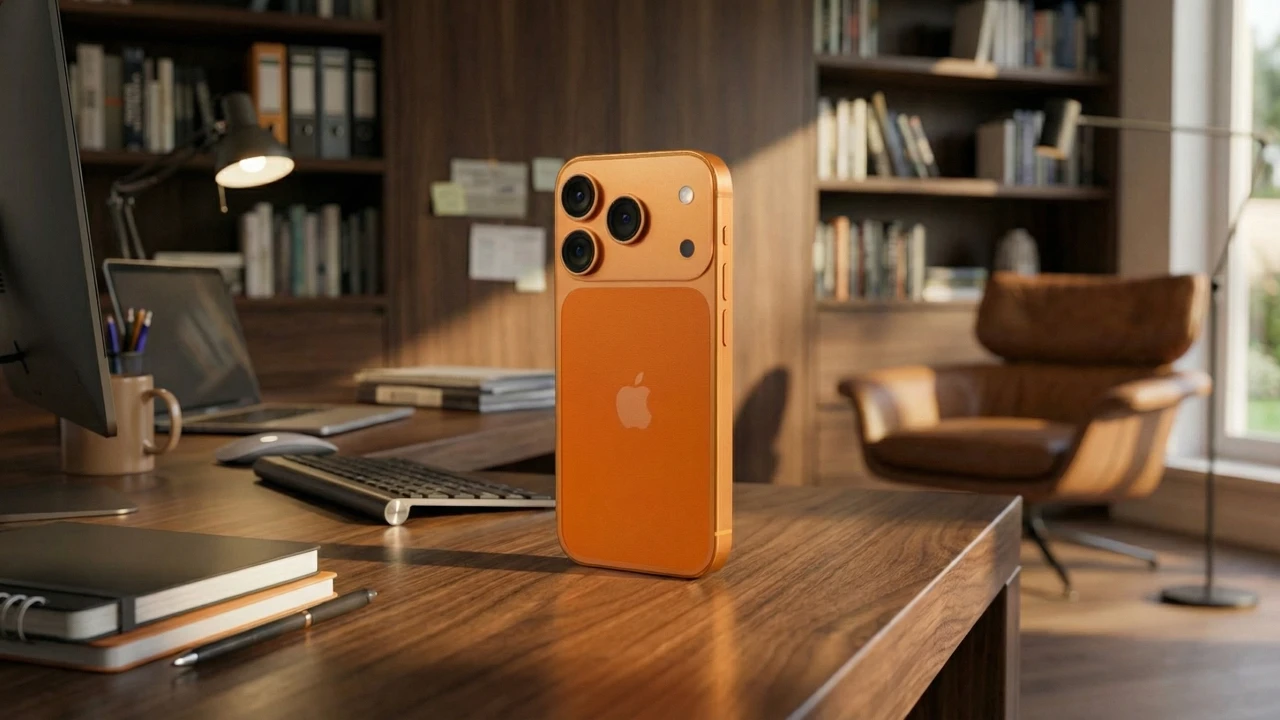
Apple is reportedly preparing to introduce a fantastic design with the iPhone 18 Pro Max, anticipated to launch in 2026. Central to this evolution are two major innovations: the integration of underscreen Face ID technology and the relocation of the selfie camera to the left side of the display. These changes aim to deliver a nearly full-screen experience, potentially setting a new benchmark for smartphone design. This article explores the implications of these advancements, the challenges Apple faces, and how its approach compares to competitors like Samsung.

Underscreen Face ID: A Leap Toward Seamless Displays
Apple’s rumored underscreen Face ID technology represents a significant step toward achieving a truly seamless display. By embedding critical components—such as the infrared light, dot projector, and sensors—beneath the screen, Apple aims to eliminate visible notches or cutouts. This innovation promises a cleaner, uninterrupted viewing experience while maintaining the security and accuracy of Face ID.
However, embedding these components under the display presents a complex engineering challenge. The technology must ensure that the infrared light and dot projector function flawlessly through the screen, meeting Apple’s stringent standards for reliability and precision. Unlike some competitors, Apple is unlikely to prioritize aesthetics over performance. Instead, the company is expected to ensure that the technology is both functional and durable before releasing it to consumers. This approach underscores Apple’s commitment to delivering innovations that balance design with practicality.
Relocating the Selfie Camera: A Bold Design Choice
Another significant design shift involves moving the selfie camera to the left side of the display, marking a departure from Apple’s traditionally symmetrical designs. While this off-center placement may initially seem unconventional, it aligns with the broader goal of achieving a nearly full-screen design.
This design choice invites comparisons to Samsung’s earlier off-center punch-hole camera layouts. However, Apple’s approach is expected to differ by incorporating advanced under-display technology to maintain image quality and functionality. The challenge lies in making sure that the relocated camera delivers the same high-quality performance users have come to expect from Apple devices. If successful, this bold move could redefine how users interact with their devices, offering a more immersive display experience.
Dynamic Island: Adapting to a Full-Screen Future
The rumored redesign of the dynamic island feature is another area of interest. Introduced in recent iPhone models, the dynamic island integrates notifications and interactive elements into the display. With the shift toward a full-screen design, Apple may need to rethink how this feature operates to ensure it remains relevant and functional.
Possible changes include adapting, minimizing, or even replacing the dynamic island entirely. Apple’s decision will likely hinge on balancing innovation with user preferences, making sure that the feature continues to enhance the overall user experience. By reimagining the dynamic island, Apple could further refine its interface, aligning it with the demands of a nearly bezel-free display.
Apple vs. Samsung: Contrasting Approaches to Innovation
Apple’s rumored design changes naturally invite comparisons to Samsung, a company known for its early adoption of off-center punch-hole cameras and under-display technology. While Samsung often leads in introducing new concepts, Apple’s strategy focuses on refining and perfecting existing ideas. This deliberate approach ensures that new features meet Apple’s high standards for reliability and user experience.
For example, Samsung’s initial attempts at under-display cameras faced criticism for reduced image quality and performance inconsistencies. In contrast, Apple’s decision to delay adopting similar technology until it can deliver uncompromised performance reflects its commitment to excellence. This difference highlights the contrasting philosophies driving innovation in the smartphone industry. While Samsung emphasizes speed to market, Apple prioritizes precision and long-term user satisfaction.
Challenges and Opportunities in Display Technology
The push toward a full-screen design presents both significant challenges and exciting opportunities for Apple. On the technical side, integrating multiple components under the display requires overcoming substantial engineering hurdles. For instance, making sure that underscreen Face ID and the relocated selfie camera function seamlessly without compromising performance is a demanding task.
On the other hand, achieving this milestone could redefine consumer expectations for smartphone design. A nearly full-screen display would not only enhance the visual appeal of the device but also improve the overall user experience. Apple’s ability to seamlessly integrate these advancements could set a new benchmark for premium smartphones, further solidifying its reputation as a leader in innovation and design.
Shaping the Future of Smartphones
The rumored design changes for the iPhone 18 Pro Max highlight Apple’s commitment to pushing the boundaries of smartphone technology. By introducing underscreen Face ID, relocating the selfie camera, and pursuing a nearly full-screen design, Apple aims to deliver a device that combines innovative innovation with a superior user experience. While challenges remain, these advancements have the potential to reshape the smartphone landscape, reinforcing Apple’s position as a leader in both design and functionality. If executed successfully, the iPhone 18 Pro Max could set a new standard for what users expect from premium smartphones in 2026 and beyond.
Explore further guides and articles from our vast library that you may find relevant to your interests in Underscreen Face ID technology.
- iPhone 18 Pro Max Release Date, Features, and Pricing
- iPhone 18 Pro Max Rumors: Innovative Upgrades for 2026
- iPhone 18 Pro Max LEAKS: A20 Chip, Under-Display Face ID & More!
- iPhone 18 Pro Max Leaks: Features, Specs, and Innovations
- iPhone 20 Leaks: Design, Features, and Release Insights
Source & Image Credit: Demon’s Tech
Disclosure: Some of our articles include affiliate links. If you buy something through one of these links, Geeky Gadgets may earn an affiliate commission. Learn about our Disclosure Policy.
