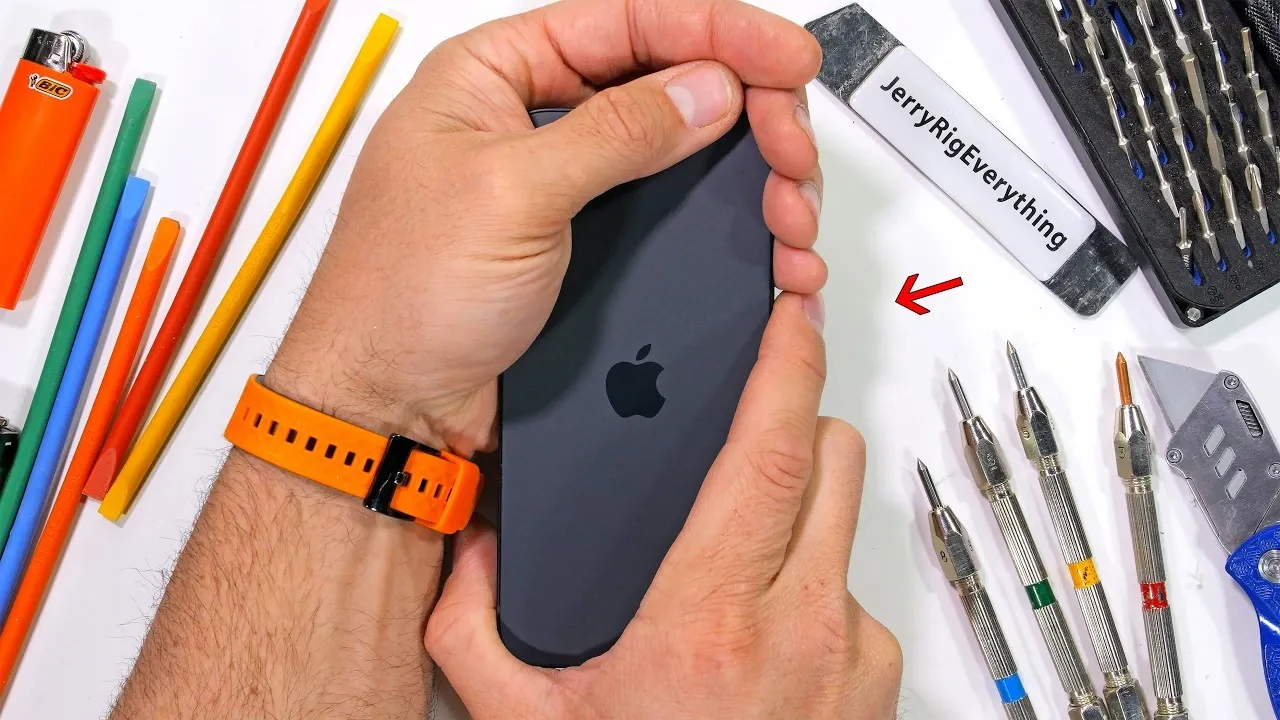
The iPhone 17e signifies a fantastic moment in Apple’s design philosophy, introducing modularity and upgradeable components that set it apart from its predecessors. While retaining key features from the iPhone 16e, the 17e pushes boundaries with advancements in wireless charging, durability, and sustainability. This evolution reflects a growing industry trend toward user-centric design and environmental responsibility, further solidifying Apple’s reputation for innovation and forward-thinking. The video below from JerryRigEverything shows us just how durable Apple’s iPhone 17e is.
Modular Design: Flexibility Meets Functionality
The iPhone 17e’s modular design marks a significant departure from Apple’s traditionally closed systems, offering users greater flexibility and repairability. Key hardware components, such as the motherboard equipped with the A19 chip, are interchangeable between the iPhone 17e and the iPhone 16e. This compatibility allows users to upgrade specific parts without replacing the entire device, reducing electronic waste and extending the product’s lifespan.
However, not all components are interchangeable. Security-sensitive parts, such as the Face ID camera, remain device-specific to ensure data protection and maintain privacy standards. Similarly, the earpiece grill cannot be swapped due to structural design constraints. This selective interchangeability strikes a balance between user accessibility and preserving the integrity of the device’s core functions. By allowing targeted upgrades, Apple is empowering users while maintaining the high standards of security and performance that define its products.
Performance Upgrades That Matter
The iPhone 17e introduces a range of enhancements designed to improve performance and user experience. These upgrades reflect Apple’s focus on practical improvements that directly benefit users:
- Wireless Charging: Charging speeds have doubled, increasing from 7W on the iPhone 16e to 15W, thanks to the integration of MagSafe magnets. This ensures faster, more reliable charging for everyday convenience.
- Durability: The new Ceramic Shield 2 display offers three times the scratch resistance of its predecessor, significantly enhancing resilience against wear and tear.
- Emergency Connectivity: A satellite-enabled SOS antenna provides users with the ability to communicate in remote areas, offering a critical safety feature during emergencies.
These performance upgrades demonstrate Apple’s commitment to delivering tangible benefits without compromising on design or functionality, making sure the iPhone 17e meets the evolving needs of its users.
Commitment to Sustainability
Apple continues to prioritize sustainability with the iPhone 17e, incorporating an 85% recycled aluminum frame. While this figure does not match the 100% recycled aluminum used in MacBooks, it represents a meaningful step toward reducing the environmental impact of smartphone production. This effort aligns with Apple’s broader goal of achieving carbon neutrality across its supply chain by 2030, underscoring a commitment to environmentally responsible manufacturing practices.
Beyond materials, the modular design of the iPhone 17e contributes to sustainability by allowing easier repairs and upgrades. By extending the device’s lifespan and reducing the need for full replacements, Apple is addressing the growing demand for eco-friendly technology. These initiatives reflect a broader industry trend toward reducing electronic waste and promoting circular economies.
Durability and Repairability: Built to Last
The iPhone 17e’s structural design emphasizes both durability and ease of repair, making sure long-term reliability. Its solid aluminum frame resists flex under stress, providing enhanced protection against physical damage. Additionally, the use of electrically conductive adhesive simplifies battery removal, making repairs safer and more efficient for technicians and users alike.
Apple’s focus on repairability is further evident in the iPhone 17e’s modular components, which allow for targeted replacements rather than full device overhauls. This approach benefits consumers by reducing repair costs and downtime while also contributing to environmental sustainability by minimizing electronic waste. The iPhone 17e is designed to endure, offering users a device that is both robust and practical.
Interchangeability: A Work in Progress
Testing reveals that some components, such as the MagSafe back glass and Ceramic Shield 2 glass, can be swapped onto the iPhone 16e. However, software limitations on the older model prevent full utilization of these upgraded parts. This partial compatibility highlights the potential of modularity while also acknowledging the challenges posed by integrating new hardware with existing software ecosystems.
Apple’s approach to interchangeability reflects a careful balance between innovation and practicality. While the iPhone 17e demonstrates the possibilities of modular design, it also underscores the importance of seamless integration between hardware and software. As modularity continues to evolve, future iterations may address these limitations, further enhancing the user experience.
Cost of Replacement Components
Apple has maintained competitive pricing for replacement parts in the iPhone 17e, making repairs more accessible to users. Key components, including the rear camera, top speaker and battery, share similar costs and specifications with the iPhone 16e. For instance, replacement screens are priced at $217 after return credit, reflecting Apple’s effort to balance affordability with the use of high-quality materials.
This pricing strategy supports Apple’s broader goals of promoting repairability and sustainability. By offering reasonably priced replacement parts, Apple is encouraging users to repair and upgrade their devices rather than replace them entirely, reducing waste and fostering a more sustainable approach to technology consumption.
A New Era in Smartphone Design
The iPhone 17e represents a significant evolution in Apple’s design philosophy, embracing modularity and part reuse to simplify manufacturing and reduce waste. By allowing users to upgrade and repair their devices more easily, Apple is fostering a more sustainable and consumer-friendly approach to smartphone design. This shift not only enhances the user experience but also aligns with broader industry trends toward environmental responsibility and technological innovation.
By combining modularity, sustainability and performance, the iPhone 17e sets a new standard for what users can expect from their devices. It is a testament to Apple’s ability to innovate while addressing the pressing challenges of environmental sustainability and consumer demand for flexibility. The iPhone 17e is more than just a smartphone, it is a forward-looking statement that redefines the relationship between technology, users and the planet.
Here are more guides from our previous articles and guides related to Modular design that you may find helpful.
- Should You Wait for the Insta360 Luna Ultra or Buy the DJI Pocket 4?
- Framework Laptop repairable modular laptop
- Framework Desktop Review: A Modular PC Built for the Future
Source & Image Credit: JerryRigEverything
Disclosure: Some of our articles include affiliate links. If you buy something through one of these links, Geeky Gadgets may earn an affiliate commission. Learn about our Disclosure Policy.
