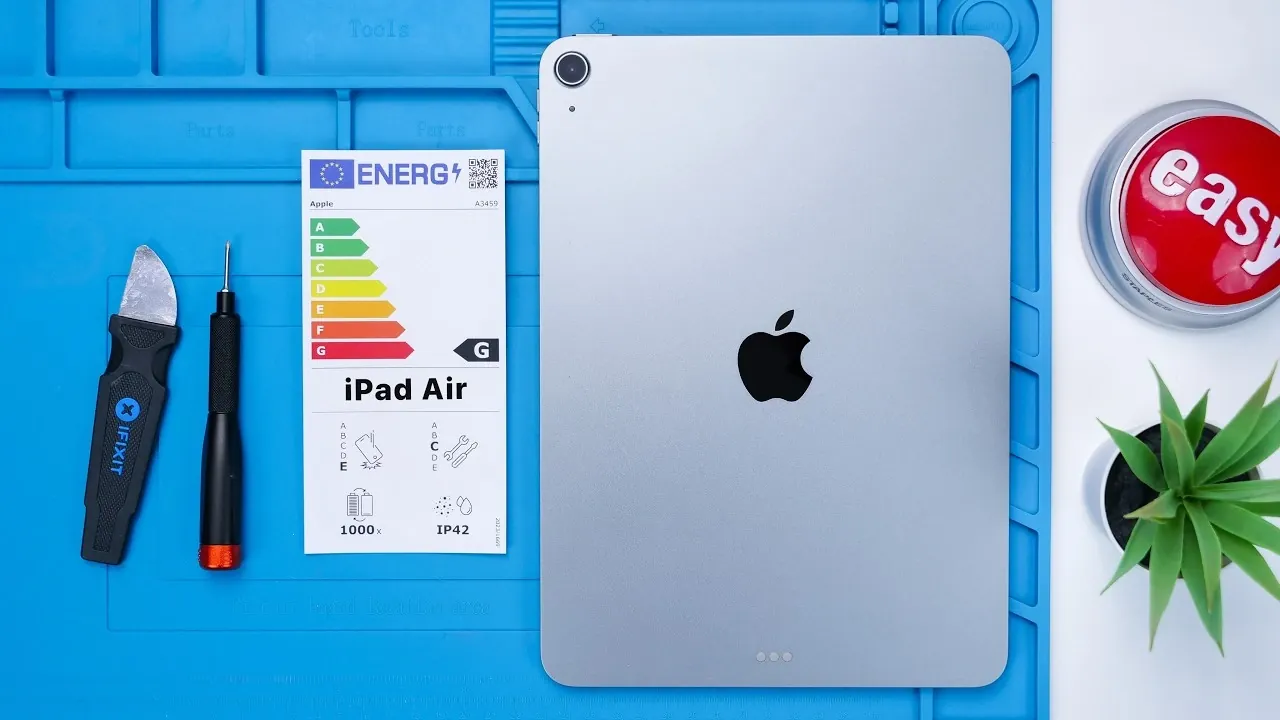
The iPad Air M4 teardown provides valuable insights into Apple’s evolving approach to repairability and internal design. While the company has made strides toward creating more user-friendly devices, certain design choices continue to pose challenges. This analysis provides more insights into the key updates, improvements, and limitations of the iPad Air M4, examining how these changes impact repairability, functionality, and sustainability. The video below from Phone Repair Guru gives us a look inside the iPad Air M4.

Advancements in Repairability
Apple has introduced several updates in the iPad Air M4 aimed at improving repairability, reflecting a growing focus on user autonomy and ease of maintenance. These enhancements include:
- Modular Charging Port: The charging port has been made modular, allowing for easier replacement. This design reduces repair complexity and aligns with consumer demands for devices that are simpler to fix.
- Battery Pull Tabs: A significant improvement, these tabs enable the battery to be removed without dismantling the motherboard. This simplifies one of the most common and essential repairs.
- Expanded Self-Service Repair Program: Apple now offers repair manuals, specialized tools and genuine parts through this program. This initiative enables users to perform basic repairs independently, promoting transparency and user control.
These updates represent a step forward in making devices more accessible for repairs. However, they also highlight the influence of external factors, such as regulatory requirements, on Apple’s design philosophy. While progress is evident, some design choices still limit the overall ease of repair.
Regulatory Influence and Energy Efficiency
The iPad Air M4’s design reflects Apple’s compliance with stringent regulations, particularly those from the European Union, which emphasize repairability and sustainability. Key regulatory-driven updates include:
- IP42 Water and Dust Resistance: The device now features protection against solid objects larger than 1mm and limited water spray. While this is a welcome addition, it falls short of full waterproofing, which could have further enhanced durability.
- Energy Efficiency Rating: Despite its advanced hardware, the iPad Air M4 has received a “G” energy efficiency rating. This low rating is primarily due to the energy demands of its large display and powerful M4 chip, highlighting the trade-off between performance and sustainability.
These updates demonstrate Apple’s efforts to align with regulatory standards while maintaining high performance. However, the energy efficiency challenges underscore the ongoing difficulty of balancing innovative functionality with environmental considerations.
Internal Design and Hardware Innovations
The iPad Air M4 introduces several hardware upgrades that enhance its performance and future-proof its capabilities. Notable improvements include:
- M4 Chip and 12GB RAM: The inclusion of the M4 chip and increased RAM significantly boosts performance, making the device well-suited for demanding tasks such as video editing, graphic design and gaming.
- Wi-Fi 7 Compatibility: Support for the latest Wi-Fi standard ensures faster and more reliable connectivity, keeping the device compatible with evolving wireless technologies.
- Potential for Storage Expansion: The internal design includes space for a second NAND chip, suggesting the possibility of future storage upgrades. This is a forward-thinking feature that could extend the device’s lifespan.
Despite these advancements, certain design choices hinder repairability. For example, soldered flex cables complicate repairs and integrated components, such as the wireless charging system for the Apple Pencil, reduce modularity. These decisions reflect a trade-off between achieving a sleek, compact design and maintaining user-friendly repair options.
Challenges in Repairability
While the iPad Air M4 demonstrates progress in repairability, several challenges remain. These include:
- Complex Component Removal: Certain parts, such as the speakers, are difficult to remove without risking damage. This complexity can discourage users from attempting repairs, even with access to tools and manuals.
- High Cost of Replacement Parts: Genuine parts provided through Apple’s self-service repair program are often expensive, making repairs less cost-effective for many users. This could deter individuals from opting for repairs over replacements.
These factors contribute to the iPad Air M4’s repairability score of approximately 5/10. While this score represents an improvement over earlier models, it highlights the need for further advancements to make repairs more accessible and affordable.
Notable Unchanged Features
Interestingly, some aspects of the iPad Air M4 remain unchanged from its predecessor. These include:
- Display and Rear Camera: Both components are identical to those in the previous generation, indicating that Apple prioritized internal upgrades over external enhancements.
- Minimalist Design Elements: Features such as hidden model numbers and charging statistics maintain the device’s sleek aesthetic but offer little practical value to users.
These observations suggest that Apple’s focus with the iPad Air M4 was on refining internal performance rather than overhauling external features. While this approach enhances functionality, it leaves certain aspects of the device feeling familiar.
Balancing Innovation and Repairability
The iPad Air M4 represents a meaningful step forward in repairability and performance. Features such as modular components, battery pull tabs and an expanded self-service repair program demonstrate Apple’s commitment to addressing consumer and regulatory demands. However, challenges such as soldered flex cables, high replacement costs and limited energy efficiency persist.
This device highlights the ongoing tension between innovation and repairability in modern electronics. While progress is evident, achieving a balance between innovative performance and user-friendly design remains a work in progress. For semi-technical users and repair enthusiasts, the iPad Air M4 offers a glimpse into the future of repairable technology, albeit with some limitations that reflect the broader challenges of the industry.
Source & Image Credit: Phone Repair Guru
Disclosure: Some of our articles include affiliate links. If you buy something through one of these links, Geeky Gadgets may earn an affiliate commission. Learn about our Disclosure Policy.
