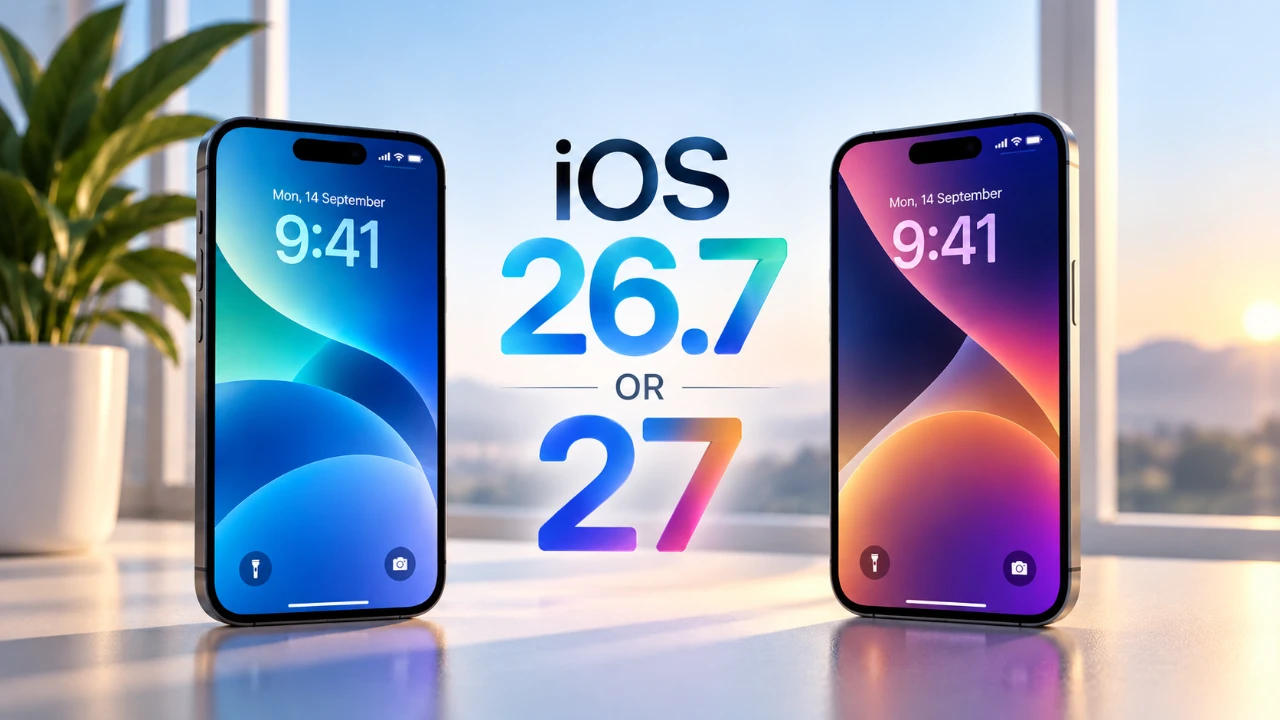
Apple’s dual update strategy for iOS 26.7 and iOS 27 offers users a unique choice between two distinct paths. This approach enables you to decide whether to prioritize stability and reliability or embrace the latest features and innovations. Each update caters to different user needs, making it essential to evaluate your priorities before proceeding.

iOS 26.7: A Reliable and Polished Experience
iOS 26.7 builds upon the solid foundation of iOS 26, focusing on delivering a refined, stable, and dependable experience. This update is ideal for users who value consistency and prefer to avoid the potential risks associated with major software changes. Key highlights of iOS 26.7 include:
- Resolution of known bugs and glitches from earlier versions, making sure smoother operation.
- Optimized system performance for faster and more efficient device functionality.
- Seamless compatibility with apps already tailored for iOS 26, minimizing disruptions.
If you’ve experienced minor issues such as app crashes or performance slowdowns on iOS 26, this update is designed to address those concerns. For users who rely on their devices for critical tasks or prefer a predictable and polished experience, iOS 26.7 is the safer choice. It ensures your device remains secure and efficient without introducing significant changes that might disrupt your workflow.
iOS 27: Innovation with Early Adoption Risks
iOS 27 represents a bold step forward, introducing new features and advancements to the iOS ecosystem. This update is geared toward users who are eager to explore innovative functionality and a refreshed user experience. While Apple has not disclosed every detail, early adopters can anticipate:
- Enhanced system capabilities and expanded functionality for improved usability.
- A redesigned user interface offering a fresh and modern aesthetic.
- Potential improvements in app integration and overall performance.
However, as with any major software release, iOS 27 may come with initial bugs and compatibility challenges. Developers often require time to optimize their apps for the new framework, which could result in temporary disruptions. If you’re excited about exploring the latest innovations, it’s important to be prepared for some instability during the early stages of the rollout.
For users who prioritize being at the forefront of technology and are willing to tolerate potential early adoption risks, iOS 27 offers an opportunity to experience Apple’s latest advancements firsthand.
Direct Update Flexibility
Apple’s dual release strategy introduces a level of flexibility that simplifies the update process. You can choose to update directly to iOS 27 without first installing iOS 26.7. While this option is convenient, it requires careful consideration. Skipping the incremental update may expose you to the risks of a less stable version, particularly if you adopt iOS 27 immediately after its release.
For users who prioritize stability, it may be wise to install iOS 26.7 first and monitor the progress of iOS 27’s stabilization. This approach allows you to maintain a secure and reliable experience while evaluating the feedback and performance of the newer version.
Timing Your Update: Stability vs Innovation
Timing plays a crucial role in deciding when to update. Historically, Apple releases follow-up patches shortly after major updates to address early bugs and performance issues. Waiting for these patches can help you avoid potential disruptions and ensure a smoother experience with iOS 27.
In the interim, installing iOS 26.7 provides a stable and secure environment for your device. This strategy allows you to enjoy a polished user experience while keeping an eye on the progress of iOS 27’s stabilization. By delaying your update to iOS 27, you can benefit from its new features once they are more refined and reliable.
Choosing the Right Update for Your Needs
Your decision between iOS 26.7 and iOS 27 ultimately depends on your individual priorities and usage patterns. Consider the following:
- Choose iOS 26.7 if you value stability, compatibility, and a polished experience. This update is ideal for users who rely on their devices for critical tasks and prefer to avoid potential disruptions.
- Opt for iOS 27 if you’re eager to explore new features and innovations and are willing to tolerate potential early bugs. This update is best suited for users who enjoy being early adopters and are comfortable with some level of risk.
Staying informed about update developments and monitoring user feedback can help you make an informed decision. Whether you prioritize reliability or innovation, Apple’s dual update strategy ensures you have the flexibility to choose the path that best aligns with your needs. By carefully evaluating your options, you can make the most of your iOS experience.
Browse through more resources below from our in-depth content covering more areas on iOS 27.
- Apple Delaying iOS 27 Beta 5? Here’s When to Expect the Next Update
- New iOS 27 Beta 5 Release Arrives with a Big Shift Coming
- iOS 27 Beta 5 Is Late: What’s Holding Up Apple’s Next Release?
- The iOS 27 Beta 5 Release Imminent with More New Features
- Apple’s iOS 27 Beta 3 Is Just Days Away: Here’s When It Drops
- Apple iOS 27 Beta 5 Preview: a Look at the Next Release
Source & Image Credit: Daniel About Tech
Disclosure: Some of our articles include affiliate links. If you buy something through one of these links, Geeky Gadgets may earn an affiliate commission. Learn about our Disclosure Policy.
