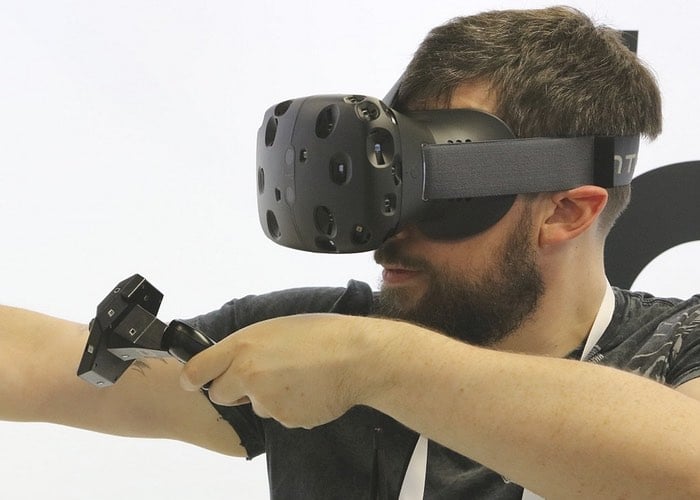
Earlier today we heard a rumor that HTC were planning to spin off their VR business into a separate unit. The company will soon be launching their new device, the HTC Vive Pre.
The rumor suggested that the new VR unit would be owned 100% by HTC boss Cher Wang. However, HTC has now denied these rumors. You can see an official statement from the company below.
Recent media reports in Taiwan, such as by United Evening News, stating that Cher Wang is planning to spin off HTC’s VR operations into an independent entity that will be wholly owned by Wang is incorrect. HTC will continue to develop our VR business to further maximize value for shareholders.
So there we have it, according to HTC, their VR business will not be spun off into a new company and will remain part of HTC.
The Importance of VR in HTC’s Strategy
HTC’s commitment to keeping its VR business under its corporate umbrella underscores the importance of virtual reality in its overall strategy. The HTC Vive Pre, which is set to launch soon, represents a significant step forward in VR technology. This device is expected to offer enhanced features, improved user experience, and more immersive gameplay, making it a strong competitor in the VR market.
Virtual reality is not just a passing trend; it is a burgeoning industry with applications that extend far beyond gaming. From virtual tourism and real estate to education and healthcare, VR technology is revolutionizing various sectors. By retaining control over its VR division, HTC can ensure that it remains at the forefront of these innovations, leveraging its expertise to explore new opportunities and applications for VR.
HTC’s Vision for the Future of VR
HTC’s vision for the future of VR is ambitious. The company aims to create a comprehensive ecosystem that includes not only hardware but also software and content. This holistic approach is designed to provide users with a seamless and immersive VR experience. The HTC Vive Pre is just the beginning; the company is likely to introduce more advanced devices and platforms in the coming years.
Moreover, HTC is actively collaborating with developers and content creators to expand the range of VR experiences available to users. By fostering a vibrant community of innovators, HTC hopes to drive the adoption of VR technology and make it accessible to a broader audience. This collaborative effort is crucial for the growth of the VR industry, as it ensures a steady stream of new and exciting content that keeps users engaged.
In addition to consumer applications, HTC is also exploring the potential of VR in enterprise settings. Businesses are increasingly recognizing the value of VR for training, simulations, and remote collaboration. HTC’s VR solutions can help companies enhance productivity, reduce costs, and improve employee engagement. By tapping into the enterprise market, HTC can diversify its revenue streams and strengthen its position in the VR industry.
In conclusion, HTC’s decision to retain its VR business reflects its confidence in the potential of virtual reality. The HTC Vive Pre is poised to make a significant impact, and the company’s long-term vision for VR promises exciting developments in the years to come. As HTC continues to innovate and expand its VR offerings, it is well-positioned to lead the charge in this dynamic and rapidly evolving field.
Source
Disclosure: Some of our articles include affiliate links. If you buy something through one of these links, Geeky Gadgets may earn an affiliate commission. Learn about our Disclosure Policy.
