
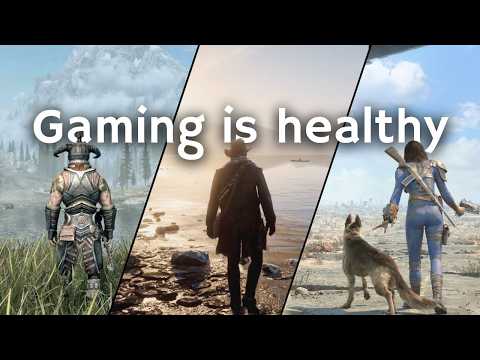
What if the very thing you’ve been told is a “waste of time” is actually one of the most powerful tools for mental well-being and personal growth? For years, gaming has been unfairly dismissed as a frivolous distraction, an activity that adds little value to our lives. Yet, this couldn’t be further from the truth. Modern research and shifting cultural attitudes reveal that gaming is not only a legitimate pastime but also a source of profound benefits. From reducing stress and enhancing cognitive skills to fostering social connections, gaming has evolved into a medium that enriches lives in ways many still fail to recognize. It’s time to challenge the outdated narrative and uncover the surprising ways gaming positively impacts our mental and emotional health.
In this overview, Dom explores how gaming transcends entertainment to become a tool for personal growth, creativity, and even emotional resilience. You’ll discover how certain games can induce a “flow state,” a mental sweet spot that sharpens focus and reduces stress, and how others promote empathy by immersing players in diverse stories and perspectives. We’ll also examine how gaming builds social bridges, connecting people across cultures and generations. Whether you’re a lifelong gamer or someone skeptical of its value, this exploration will reveal why gaming is far more than a pastime, it’s a meaningful, fantastic experience. After all, what if the controller in your hand is also the key to unlocking a healthier, more connected version of yourself?
The Benefits of Gaming
TL;DR Key Takeaways :
- Gaming is increasingly recognized as a valuable activity that enhances mental health, fosters creativity, and strengthens social connections, challenging outdated stereotypes of it being unproductive or childish.
- Research highlights gaming’s mental and emotional benefits, such as improving focus, problem-solving, and resilience, while also reducing stress and encouraging empathy through immersive experiences.
- Gaming has evolved into a universal and inclusive activity, with the average gamer being 32 years old and over 70% of gamers being adults, bridging generational and cultural gaps.
- Modern video games are celebrated as an artistic and narrative medium, combining storytelling, visuals, and interactivity to explore complex themes and evoke deep emotional engagement.
- The gaming industry has become a dominant economic and cultural force, surpassing traditional entertainment sectors and fostering global communities through platforms like Twitch and Discord.
Challenging Outdated Perceptions
The stereotype of gaming as a childish or unproductive activity has persisted for years. This stigma stems from societal norms that often prioritize visible achievements over leisure pursuits. Historically, hobbies like gaming were undervalued because they didn’t always produce tangible results. As a consequence, many gamers have felt compelled to defend their passion. However, this outdated perspective fails to account for the evolving role of gaming in today’s culture. Gaming is no longer a niche activity; it is a mainstream phenomenon that offers a range of benefits, from cognitive development to emotional well-being. By challenging these misconceptions, society is beginning to recognize gaming as a legitimate and valuable form of engagement.
The Mental and Emotional Benefits of Gaming
Gaming is not just a source of entertainment, it is a powerful tool for mental and emotional well-being. Unlike passive activities such as watching television, gaming actively engages your brain, encouraging focus, problem-solving, and creativity. Many games are designed to induce a “flow state,” a mental condition where you are fully immersed in a task. This state not only reduces stress but also enhances cognitive abilities, such as memory and decision-making. Additionally, gaming can provide a sense of control and stability in an unpredictable world, offering players a safe space to explore challenges and build resilience.
Certain genres, such as puzzle games and strategy-based titles, are particularly effective at stimulating critical thinking and improving mental agility. Meanwhile, role-playing games (RPGs) and narrative-driven experiences often encourage empathy by placing players in the shoes of diverse characters. These benefits make gaming a unique and impactful medium for personal growth and mental health support.
The Science Behind How Video Games Enhance Cognitive Skills & Well-Being
Below are more guides on gaming and mental health from our extensive range of articles.
- Calmind Premium Master Plan: Lifetime Subscription | StackSocial
- China to limit kids gaming to three hours a week
- Aura Meditation App Premium: 1-Yr Subscription | StackSocial
- How Students Are Turning Gaming Into a Career in eSports
- EEGSmart Touch Multi Channel Mind Control Headset
- How Genie 3 is Transforming Gaming, Education and Robotics
- Exercise at your desk with the Gamercize PC Sport Stepper
- Senua’s Saga Hellblade 2 first look
- How Smartphones Impact Attention, Mental Health, and Daily Life
Gaming’s Expanding Demographics
The notion that gaming is exclusively for children is a misconception that no longer holds true. Today, the average gamer is 32 years old, and over 70% of gamers are adults. Gaming has evolved into a universal form of entertainment that appeals to people across all age groups, genders, and cultural backgrounds. This demographic shift reflects the growing acceptance of gaming as a legitimate and inclusive activity.
The diversity within the gaming community is also worth noting. From casual mobile gamers to dedicated esports competitors, the spectrum of participants is vast. This inclusivity has helped gaming transcend its earlier stereotypes, positioning it as a cultural force that resonates with a wide audience. The rise of gaming among older adults and families further underscores its role as a unifying activity that bridges generational gaps.
Gaming as an Artistic and Narrative Medium
Modern video games are far more than simple entertainment, they are a sophisticated blend of art, storytelling, and design. Titles like The Last of Us and Journey explore complex themes such as morality, trauma, and human connection, elevating gaming to the level of an artistic medium. These games combine stunning visuals, evocative music, and compelling narratives to create experiences that rival those of books and films.
Unlike traditional media, gaming offers a unique level of interactivity. Players are not just passive observers; they actively participate in the unfolding of a story. This immersive quality allows for deeper emotional engagement and a stronger connection to the characters and world. As a result, gaming has become a powerful platform for storytelling, capable of addressing profound and thought-provoking topics.
The recognition of gaming as an art form is also evident in academia and cultural institutions. Universities now offer specialized courses in game design, while museums and exhibitions celebrate the artistic achievements of the gaming industry. This growing acknowledgment highlights gaming’s potential to inspire and innovate within the broader cultural landscape.
The Economic and Cultural Impact of Gaming
The gaming industry has emerged as a dominant force in the global entertainment sector, surpassing movies, music, and television in revenue. Major game releases frequently break sales records, demonstrating the immense popularity and economic power of gaming. This success is not limited to traditional video games; mobile gaming, virtual reality (VR), and esports have all contributed to the industry’s rapid growth.
Beyond its financial impact, gaming plays a significant role in shaping contemporary culture. It influences fashion, music, and even social trends, with gaming references appearing in everything from clothing lines to blockbuster films. Platforms like Twitch and YouTube Gaming have further amplified gaming’s cultural reach, turning it into a shared global phenomenon. These platforms not only showcase gameplay but also foster creativity and community, making gaming a cornerstone of modern entertainment.
Gaming as a Social Experience
Contrary to the misconception that gaming is an isolating activity, it is, in fact, a deeply social experience. Multiplayer games, online communities, and streaming platforms have transformed gaming into a collaborative and interactive pursuit. Whether you’re teaming up with friends in cooperative gameplay or competing in esports tournaments, gaming fosters meaningful connections and a sense of camaraderie.
Platforms like Discord and Twitch have become hubs for gamers to share their experiences, exchange ideas, and build lasting relationships. These spaces encourage collaboration and creativity, making gaming a powerful tool for social interaction. Additionally, gaming can serve as a bridge between cultures, bringing people together through shared interests and experiences.
The Personal Rewards of Gaming
At its core, gaming offers intrinsic rewards that go beyond external validation. It provides joy, mental stimulation, and a sense of accomplishment. Whether you’re solving a challenging puzzle, exploring a beautifully crafted virtual world, or achieving a hard-earned victory, gaming delivers moments of personal fulfillment. These experiences can be deeply satisfying, offering players a chance to unwind, recharge, and connect with themselves or others.
Gaming also encourages perseverance and adaptability. Many games require players to overcome obstacles, learn from failures, and develop strategies to succeed. These skills are not only valuable within the context of gaming but also applicable to real-life challenges. By fostering a growth mindset, gaming contributes to personal development and resilience.
Recognizing Gaming’s Value
Gaming is far more than a recreational activity, it is a multifaceted pursuit that enhances mental health, nurtures creativity, and builds social connections. As society continues to embrace the potential of gaming, it is essential to move past outdated stereotypes and acknowledge its value. Whether you are a casual player or a dedicated enthusiast, gaming offers experiences that enrich your life in meaningful and lasting ways.
Media Credit: Dom’s Gaming Channel
Disclosure: Some of our articles include affiliate links. If you buy something through one of these links, Geeky Gadgets may earn an affiliate commission. Learn about our Disclosure Policy.
