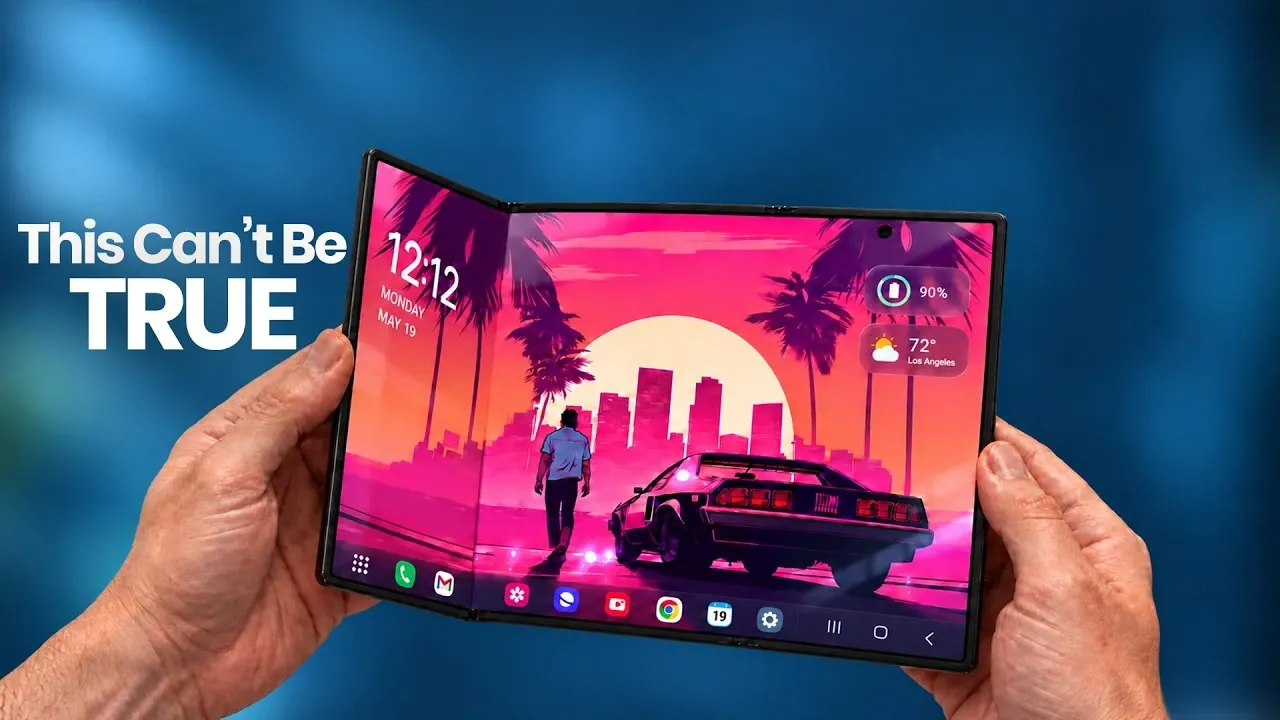
Apple has officially entered the foldable phone market, a space that has long been dominated by Samsung. With the launch of its first foldable iPhone, Apple has introduced a sleek and highly refined device that directly challenges Samsung’s established leadership. This bold move has sparked a new wave of competition, compelling Samsung to accelerate its innovation cycle. Reports suggest that Samsung is fast-tracking the development of its Galaxy Z TriFold 2 to maintain its competitive edge in this rapidly evolving segment.
The entry of Apple into the foldable market is not just a product launch; it represents a strategic shift that could redefine the smartphone industry. By using its reputation for premium design and seamless software integration, Apple aims to capture a significant share of the foldable market, which has traditionally been a stronghold for Samsung. The video below from Techtics gives us more details about the rumored Galaxy Z Trifold 2.

How Apple is Redefining Foldables
Apple’s foldable iPhone has set a new benchmark for design and functionality in the foldable smartphone category. Known for its meticulous attention to detail, Apple has combined innovative hardware with its signature iOS ecosystem to deliver a device that appeals to both tech enthusiasts and loyal Apple users. The foldable iPhone features a seamless folding mechanism, enhanced durability, and a user-friendly interface that integrates effortlessly with Apple’s ecosystem of devices and services.
Industry analysts have noted that Apple’s entry into the foldable market could significantly disrupt the competitive landscape. Experts predict that Apple may surpass Samsung in foldable market share by 2027, particularly in regions like the United States, where Apple’s brand loyalty is exceptionally strong. This potential shift could force Samsung to rethink its strategies, not only in terms of product innovation but also in marketing and customer retention.
Apple’s approach to foldable technology emphasizes both form and function, making sure that the device is not only visually appealing but also practical for everyday use. This balance of aesthetics and usability has resonated with consumers, positioning Apple as a formidable competitor in the foldable segment.
Samsung’s Counterattack: The Galaxy Z TriFold 2
In response to Apple’s ambitious entry, Samsung is reportedly expediting the release of its next-generation foldable device, the Galaxy Z TriFold 2. This upcoming model is expected to address several key consumer concerns, including:
- Improved hinge durability to enhance the device’s lifespan and reliability.
- Reduced thickness and weight for better portability and user comfort.
- Minimized display crease to provide a smoother and more immersive viewing experience.
While these advancements are likely to appeal to consumers, they also present significant challenges for Samsung. Maintaining the $2,900 price tag of the original Galaxy Z TriFold while incorporating these improvements may prove difficult due to rising production costs. This raises important questions about whether Samsung can strike the right balance between innovation and affordability in the premium foldable market.
Samsung’s ability to deliver a compelling product at a competitive price will be critical in determining its success against Apple’s foldable iPhone. The Galaxy Z TriFold 2 represents not just a product update but a strategic response to Apple’s growing influence in the foldable segment.
Samsung’s Broader Strategy
Samsung’s response to Apple’s challenge extends beyond the Galaxy Z TriFold 2. The company is actively diversifying its foldable lineup, exploring new form factors such as rollable devices. These innovations aim to cater to a wider range of consumer preferences and solidify Samsung’s position as a leader in smartphone innovation.
In addition to its foldable initiatives, Samsung is preparing to launch its S27 flagship series, which could include up to nine flagship devices in a single year. This aggressive product strategy underscores Samsung’s commitment to maintaining its dominance in the premium smartphone market. By offering a diverse portfolio of devices, Samsung aims to appeal to both existing customers and new adopters, ensuring its relevance in an increasingly competitive landscape.
Samsung’s broader strategy reflects a forward-thinking approach that prioritizes innovation and adaptability. By continuously expanding its product offerings, Samsung seeks to stay ahead of competitors and meet the evolving demands of the global smartphone market.
Obstacles on the Horizon
Despite its proactive measures, Samsung faces several significant challenges as it navigates the competitive foldable market. The original Galaxy Z TriFold encountered issues such as limited availability and profitability, and these challenges could resurface with the launch of the TriFold 2. Additionally, Apple’s entry into the foldable segment has intensified the pressure on Samsung to deliver new innovations while managing production costs.
Balancing the high expenses associated with research and development against the need to offer competitive pricing will be a critical factor for Samsung’s long-term success. The company must also address consumer concerns about durability and usability, making sure that its foldable devices meet the high expectations of premium smartphone buyers.
Samsung’s ability to overcome these obstacles will play a pivotal role in determining its future in the foldable market. As competition with Apple intensifies, Samsung must find ways to differentiate its products and maintain its reputation for innovation and quality.
The Road Ahead: A Battle for Innovation
The rivalry between Samsung and Apple in the foldable smartphone market is set to drive rapid advancements in technology and design. Both companies are pushing the boundaries of what is possible, introducing new features and form factors that promise to redefine the smartphone experience. Consumers stand to benefit from this competition, as it fosters innovation and expands the range of options available in the premium smartphone segment.
Samsung’s expanded lineup and Apple’s entry into the foldable market highlight the dynamic nature of the industry. As both companies strive to deliver the best combination of performance, durability, and value, the next generation of foldable devices will likely set new standards for the entire smartphone market.
Ultimately, the winner of this high-stakes competition will be the company that can consistently meet consumer expectations while navigating the challenges of innovation and cost management. The battle for dominance in the foldable market is far from over, and the coming years promise to be a fantastic period for the smartphone industry.
Become an expert in Foldable phones with the help of our in-depth articles and helpful guides.
- Samsung Galaxy Z Fold 8 Ultra: All the Upgrades That Make It a True ‘Ultra’
- New iPhone Ultra Leak Points to Apple’s Biggest Surprise Yet
- When Will the Galaxy Z Fold 8 Ultra Finally Launch?
- Samsung’s Foldable Masterpiece: Galaxy Z Fold 8 Ultra Leaks
- Apple’s $2,299 iPhone Ultra: Last-Minute Specs Emerge Before Launch
Source & Image Credit: Techtics
Disclosure: Some of our articles include affiliate links. If you buy something through one of these links, Geeky Gadgets may earn an affiliate commission. Learn about our Disclosure Policy.
