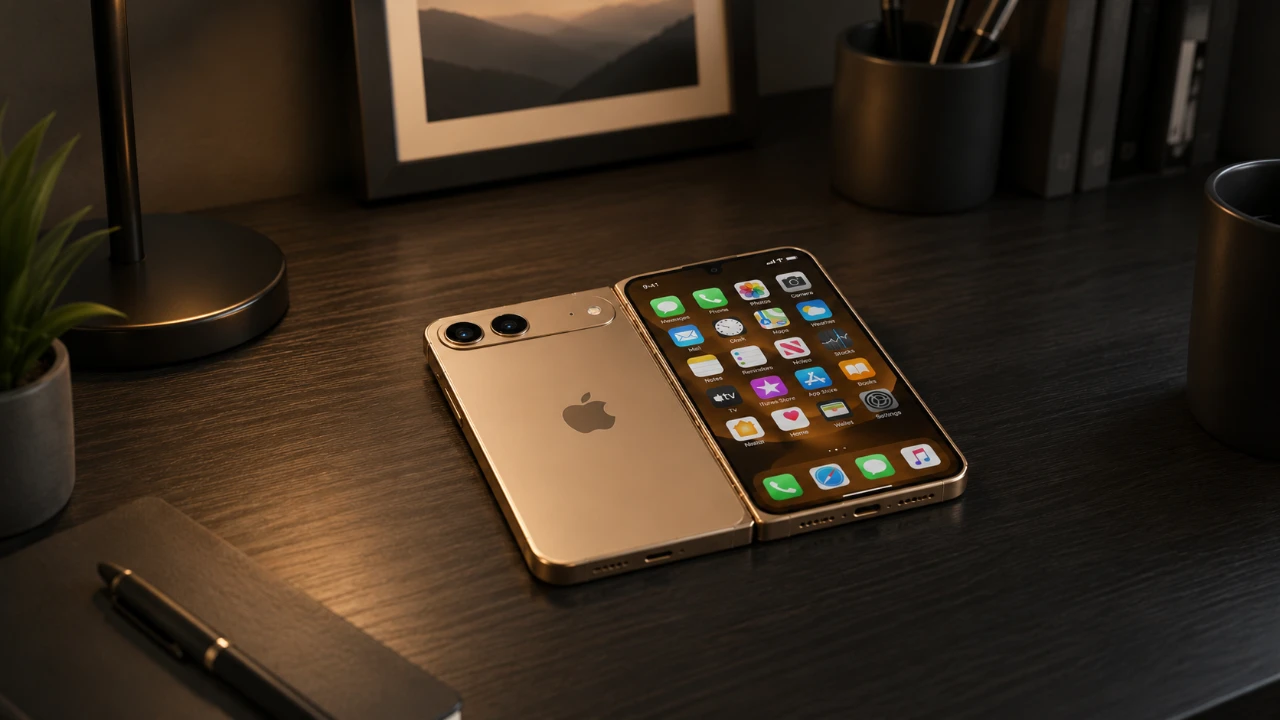
Apple appears to be preparing for a significant evolution in its smartphone lineup. Recent findings within the iOS 27 beta software strongly suggest that the company is developing a foldable iPhone, potentially named the iPhone Ultra. These discoveries, which include references to foldable hardware support, indicate that Apple is positioning itself to enter the foldable smartphone market. This move could challenge current market leaders and redefine the company’s product offerings, signaling a bold step forward in mobile technology. The video below from Tech Town gives us more details.

Clues in iOS 27 Beta Point to Foldable Technology
The iOS 27 beta software provides compelling evidence of Apple’s work on foldable devices. Specific code references, such as “fold state,” “angle degrees,” and “is angle valid,” suggest that the operating system is being designed to detect hinge angles and folding positions. These features are absent from current iPhone models, underscoring Apple’s focus on creating software tailored to the unique demands of foldable hardware.
The inclusion of such detailed functionality in the beta code indicates that Apple’s exploration of foldable technology is far beyond the conceptual stage. It suggests that the company is actively working toward practical implementation, potentially signaling that a foldable iPhone is closer to becoming a reality than previously anticipated. This development aligns with Apple’s reputation for integrating hardware and software seamlessly to deliver a cohesive user experience.
What the iPhone Ultra Could Offer
The iPhone Ultra is expected to use foldable hardware to introduce features that enhance both functionality and user experience. One of the standout capabilities could be hinge angle tracking, which would allow the device to adapt dynamically to partially folded positions. This feature could enable a range of practical applications, such as:
- Enhanced Multitasking: Users could perform tasks like video playback, FaceTime calls, or document editing without fully unfolding the device, offering greater convenience and flexibility.
- Mini Laptop Mode: The device could function as a compact workstation, with one half of the screen serving as a display and the other as a virtual keyboard or control panel, catering to productivity needs.
- Improved Entertainment Options: Foldable configurations could provide unique viewing angles for gaming, streaming, or reading, enhancing the overall entertainment experience.
This versatility could make the iPhone Ultra an appealing choice for users seeking a device that seamlessly blends productivity and entertainment. By integrating these features, Apple could position the iPhone Ultra as a multifunctional tool that caters to a wide range of user needs.
iOS 27: Optimized for Foldable Displays
Apple’s iOS 27 appears to be specifically designed to complement foldable hardware, introducing features that maximize the potential of devices like the iPhone Ultra. Key enhancements in the operating system include:
- Full-Screen Widgets: Widgets could occupy one half of the display, allowing users to interact with apps on the other half, allowing efficient multitasking and streamlined workflows.
- Seamless Transitions: The operating system may support fluid transitions between folded and unfolded states, making sure that apps and interfaces adapt instantly to changes in screen configuration.
- Enhanced Device Integration: iPhone-to-Mac mirroring could be significantly improved, with larger display support and smoother integration designed to take advantage of foldable hardware capabilities.
These updates suggest that Apple is not only preparing for the hardware challenges of foldable devices but also making sure that the software ecosystem is robust enough to fully exploit their potential. This dual focus on hardware and software integration could set the iPhone Ultra apart from competitors in the foldable market.
What This Means for Apple and the Foldable Market
Apple’s entry into the foldable smartphone market could have far-reaching implications. Currently, this space is dominated by brands like Samsung and Huawei, which have established themselves as leaders in foldable technology. However, Apple’s reputation for delivering premium products with a seamless user experience could disrupt the market dynamics.
By combining innovative hardware with a refined software ecosystem, the iPhone Ultra has the potential to set a new standard for foldable devices. Features like hinge angle detection, multitasking optimization and enhanced device integration could redefine consumer expectations and push the boundaries of what foldable smartphones can achieve.
The readiness of iOS 27 to support foldable technology suggests that Apple’s launch of the iPhone Ultra could be imminent. If successful, this device could not only compete with existing models but also drive further innovation across the industry, solidifying Apple’s position as a leader in technological advancement.
Unlock more potential in Foldable iPhone by reading previous articles we have written.
- Why Apple’s iPhone Ultra Fold Changes Everything We Know About Smartphones
- The ‘Passport’ iPhone Is Real: First Look at Apple’s Foldable ‘Ultra’ Design and its 7.8-inch Display
- iPhone Ultra Fold First Look: Apple Finally Went WIDE to Create the Ultimate Hybrid Device
- iPhone Ultra Leaks: Apple’s September Keynote to Feature First Ever Foldable
- Apple Just Confirmed 6 Major Features for the iPhone Ultra Fold
Source & Image Credit: Tech Town
Disclosure: Some of our articles include affiliate links. If you buy something through one of these links, Geeky Gadgets may earn an affiliate commission. Learn about our Disclosure Policy.
