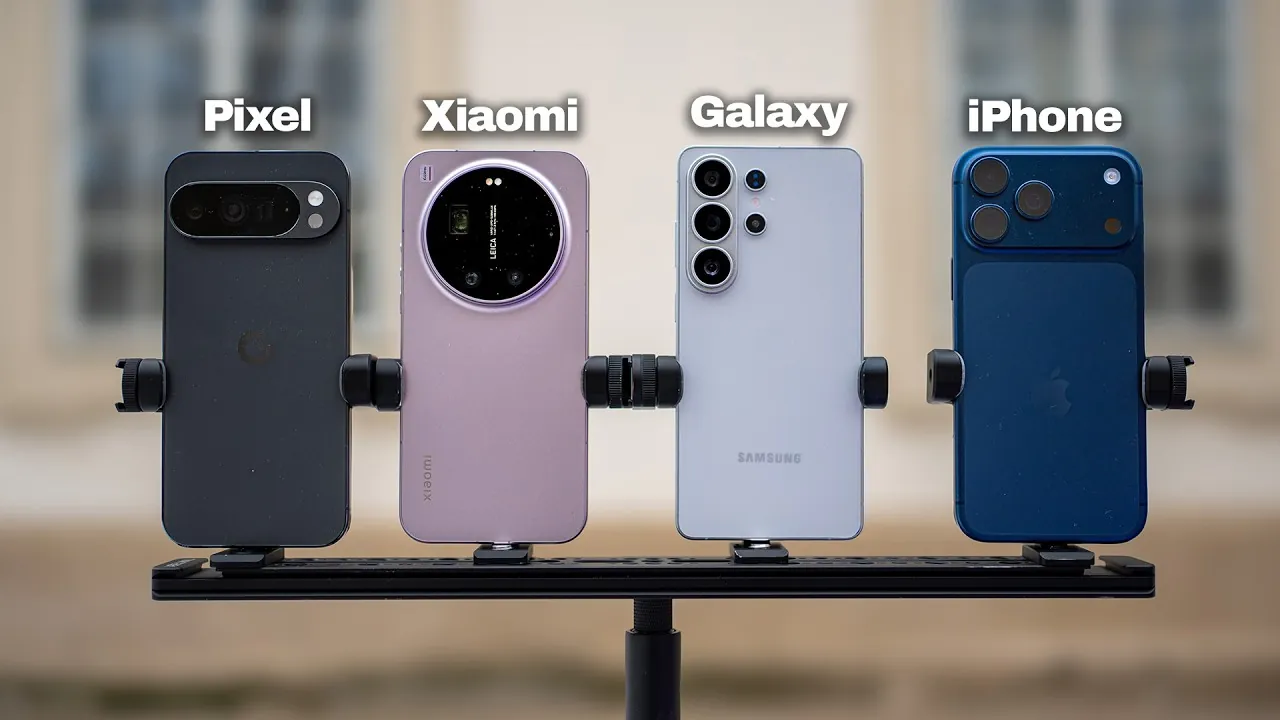
When selecting a flagship smartphone, the camera often becomes a critical deciding factor. With advancements in mobile photography, flagship devices now compete fiercely to deliver the best imaging experience. This article provides an in-depth comparison of the camera performance of four leading smartphones: the Galaxy S26 Ultra, Xiaomi 17 Ultra, iPhone 17 Pro Max, and Pixel 10 Pro XL. By examining their performance across key areas—main camera quality, telephoto zoom, ultra-wide shots, low-light photography, video recording, and portrait mode—you will gain valuable insights into which device aligns best with your needs. The video below from Techmo gives us a look at the cameras and their features on these flagship smartphones.

Main Camera Performance
The main camera serves as the cornerstone of any smartphone’s imaging capabilities, and each of these devices takes a distinct approach to deliver high-quality results.
- Galaxy S26 Ultra: Known for its balanced results, this device captures images with colder tones. Its wider aperture enhances light capture, making it a versatile choice for various lighting conditions.
- Xiaomi 17 Ultra: Excels in delivering intricate details and vibrant colors. Its larger sensor is particularly effective in capturing textures, making it ideal for users who prioritize sharpness and color accuracy.
- iPhone 17 Pro Max: Produces warmer tones, which can be appealing for certain scenarios. However, it struggles with overexposed highlights, occasionally reducing the realism of its images.
- Pixel 10 Pro XL: Offers lively and saturated colors but faces consistency issues. A recurring magenta tint affects its color accuracy, which may be noticeable in certain environments.
Telephoto Zoom
Zoom capabilities have become a defining feature in flagship smartphone cameras, allowing users to capture distant subjects with clarity. The performance of these devices in telephoto zoom varies significantly.
- Xiaomi 17 Ultra: Leads the category with its large sensor and continuous zoom functionality. This combination ensures sharp and detailed images across a wide range of zoom levels.
- Galaxy S26 Ultra: Features a 50 MP 5x telephoto lens, delivering impressive clarity and detail even at higher magnifications.
- iPhone 17 Pro Max and Pixel 10 Pro XL: Rely more heavily on digital zoom, which often compromises sharpness and detail, particularly at extended zoom ranges.
Ultra-Wide Shots
Ultra-wide photography showcases the versatility of a smartphone camera, allowing users to capture expansive landscapes and group shots. Each device offers unique strengths and challenges in this area.
- Galaxy S26 Ultra: Produces vibrant tones with warmer colors, creating visually appealing images for outdoor and group photography.
- Xiaomi 17 Ultra: Delivers excellent image quality but has a slightly narrower field of view compared to its competitors, which may limit its use in certain scenarios.
- iPhone 17 Pro Max: Exhibits cooler tones with a noticeable green tint. While this may suit specific preferences, it could detract from the overall aesthetic for some users.
- Pixel 10 Pro XL: Faces challenges with noisier images and a persistent magenta tint, which impacts the overall quality of ultra-wide shots.
Low-Light Photography
Low-light performance is a critical benchmark for evaluating both hardware and computational photography. These flagship devices demonstrate varying levels of success in this challenging area.
- Galaxy S26 Ultra and Xiaomi 17 Ultra: Both use larger sensors and wider apertures to capture more light. However, their results heavily depend on computational algorithms to balance exposure and reduce noise.
- Pixel 10 Pro XL: Stands out for its accurate indoor color reproduction, though the magenta tint remains a recurring issue that can affect the overall image quality.
- iPhone 17 Pro Max: Offers balanced results with cooler tones. While it performs well in most low-light scenarios, its tonal choices may not always convey the desired atmosphere.
Video Recording
Video recording has become an essential feature for many smartphone users, and these devices cater to a wide range of video production needs.
- Galaxy S26 Ultra: Excels with vibrant colors, balanced highlights and shadows, and support for APV lossless recording. This makes it a strong choice for users seeking professional-grade video quality.
- Xiaomi 17 Ultra: Offers strong background blur, enhancing the cinematic quality of videos. However, its larger sensor can make stabilization less reliable during movement.
- iPhone 17 Pro Max and Pixel 10 Pro XL: Deliver consistent video performance with reliable stabilization. However, their color tones are more muted compared to the Galaxy S26 Ultra and Xiaomi 17 Ultra.
Portrait Mode
Portrait mode remains a popular feature for users seeking professional-looking images with a shallow depth of field. The performance of these devices in this mode varies based on their hardware and software optimizations.
- Xiaomi 17 Ultra: Leads the category with excellent detail and noise reduction, producing sharp and natural-looking portraits.
- Galaxy S26 Ultra: Offers good optical quality but struggles with consistent skin tone processing, which can affect the overall appeal of portraits.
- iPhone 17 Pro Max: Delivers balanced results but is affected by greenish tones, which may not flatter all skin tones in portrait photography.
- Pixel 10 Pro XL: Faces challenges with hair processing and offers limited zoom options for portrait mode, which may restrict its versatility.
General Observations
Each of these flagship devices brings unique strengths and weaknesses to the table, catering to different user preferences and priorities.
- Pixel 10 Pro XL: Introduces innovative features such as 8K AI-boosted video and a long exposure mode. However, it is hindered by its magenta tint and noisier images, which may detract from its overall appeal.
- Xiaomi 17 Ultra: Features exceptional hardware, including a larger sensor and advanced zoom capabilities. Despite this, its real-world advantages are sometimes limited by software optimizations.
- Galaxy S26 Ultra: Offers incremental improvements over its predecessor, with colder color science that may not suit all users. Its balanced performance across various scenarios makes it a reliable choice.
- iPhone 17 Pro Max: Remains a dependable option for users seeking consistent performance. However, it is affected by green tint issues and occasional light ghosting, which can impact image quality in specific scenarios.
Expand your understanding of Flagship Smartphones with additional resources from our extensive library of articles.
- How the Samsung Galaxy S26 Ultra Redefines Smartphones
- World’s First Liquid-Cooled Gaming Phone : Red Magic 11 Pro
- Samsung Galaxy S26 Ultra: Top 3 Features You Need to Know
- OnePlus 15 – Exceptional Battery Life and Gaming
- Samsung Galaxy S26 Ultra: Exynos 260 vs Snapdragon 8 Gen 5
Source & Image Credit: Techmo
Disclosure: Some of our articles include affiliate links. If you buy something through one of these links, Geeky Gadgets may earn an affiliate commission. Learn about our Disclosure Policy.
