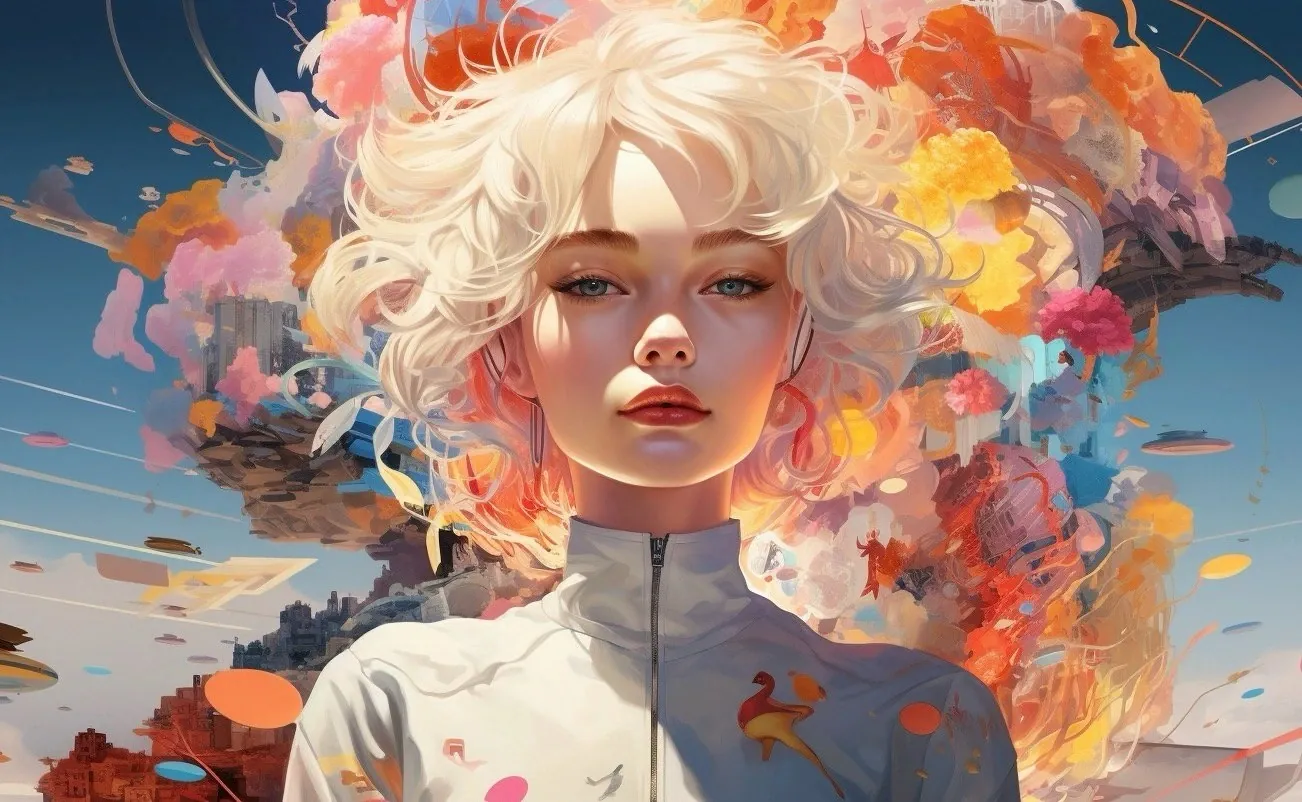
What happens when the soul of art is replaced by an algorithm? Brandon Sanderson explores how the rise of AI-generated art challenges not just the way we create, but the very essence of what it means to be an artist. In a keynote speech that’s equal parts thought-provoking and cautionary, the acclaimed author provide more insights into the philosophical and ethical dilemmas posed by this technological shift. Sanderson argues that while AI can churn out visually stunning works, it fundamentally lacks the emotional depth and personal growth that make human creativity irreplaceable. His words serve as both a critique of AI’s limitations and a rallying cry to preserve the human spirit in art.
In this overview, we’ll unpack Sanderson’s compelling insights on why the creative process matters as much as, if not more than, the final product. From the ethical concerns surrounding AI training methods to the risk of reducing art to mere functionality, his arguments challenge us to rethink how we define creativity in an age of automation. Whether you’re an artist, a tech enthusiast, or someone who values the fantastic power of human expression, this exploration will leave you questioning where the line should be drawn between innovation and authenticity. After all, if art loses its humanity, what’s left to inspire us?
AI’s Impact on Creativity
TL;DR Key Takeaways :
- Brandon Sanderson emphasized that art is defined by the deeply personal and fantastic process of creation, not just the final product.
- AI-generated art lacks the emotional depth, personal growth, and individuality that characterize human creativity, raising ethical concerns about its impact on artists and originality.
- Sanderson highlighted the historical distinction between tools that empower artists and technologies, like AI, that risk replacing them entirely.
- Art serves as a reflection of the human spirit, fostering connection, growth, and shared experiences, which could be diminished if art is reduced to a utilitarian product.
- Sanderson called for society to actively protect the essence of human creativity, making sure technological progress aligns with human values and preserves the emotional and philosophical dimensions of art.
What Defines Art? A Question of Purpose
Central to Sanderson’s speech was the question: what truly defines art? He emphasized that art is not merely the finished product, a painting, a novel, or a piece of music, but the process of creation itself. For humans, this process is deeply personal, fostering emotional growth, self-discovery, and a profound connection to the world. Sanderson described the act of creating art as a fantastic journey that shapes the artist, imbuing their work with meaning and purpose.
This perspective challenges the notion that art can be reduced to a consumable product. Instead, it underscores the intrinsic value of the creative process, which is as much about the artist’s personal evolution as it is about the work they produce. By focusing on the journey rather than just the outcome, Sanderson highlighted the unique role of human creativity in giving art its depth and significance.
AI-Generated Art: The Missing Human Element
Sanderson critiqued AI-generated art for its inability to capture the essence of human creativity. While AI can produce visually stunning images or mimic literary styles, it lacks the emotional depth and personal growth that define human artistry. Unlike humans, AI does not learn or evolve through experience; it processes data to generate outputs, devoid of personal connection or emotional resonance.
He also raised ethical concerns about the methods used to train AI systems. Many rely on copyrighted works without the consent of the original creators, raising questions about ownership, authenticity, and the rights of artists. By focusing solely on the product, AI-generated art risks devaluing the human experience of creation and the emotional connection that art fosters. Sanderson’s critique serves as a reminder that art is not just about aesthetics or functionality, it is about the stories, emotions, and individuality embedded within it.
Brandon Sanderson’s Keynote Speech on AI Art

Check out more relevant guides from our extensive collection on AI-Generated Art that you might find useful.
- Create AI art for free with DallE 3 Bing Image Creator
- Create personalized consistent characters using Photomaker
- iPadOS 26 AI Art Made EASY: ChatGPT & Image Playground Tutorial
- DallE 3 vs Midjourney AI art generation compared
- How to use Google Imagen 2 text-to-image AI art generator
- Official Midjourney magazine features the best AI art every month
- Easily add your face to AI generated photos and art using Photomaker
- AI Music and Copyright, What Suno and ChatGPT Tests Revealed
- Best New AI Presentation Tools for Slides, Designs & Workflows
- Stability AI SDXL 1.0 beginners guide from set up to creation
Lessons from History: Innovation or Replacement?
Sanderson acknowledged that skepticism toward new artistic mediums is not a novel phenomenon. Throughout history, innovations such as prose, photography, and film were initially met with resistance before being embraced as legitimate forms of art. However, he argued that AI-generated art represents a fundamentally different challenge.
Unlike past advancements, which expanded the tools available to human creators, AI threatens to replace the artist altogether. Sanderson likened this dynamic to the story of John Henry, the steel-driving man who competed against a machine. While technological progress is inevitable, he cautioned that society must carefully consider whether efficiency and convenience should come at the expense of human creativity. The distinction between tools that empower artists and technologies that seek to replace them is critical in shaping the future of art.
Art as a Mirror of Humanity
Sanderson explored the philosophical dimensions of art, describing it as a reflection of the human spirit, a unique expression of individuality, emotion, and shared experience. He warned that reducing art to a utilitarian product risks stripping it of its deeper meaning and significance.
Art, he argued, is not merely about utility or consumption; it is about connection, growth, and the shared human experience. By allowing technology to redefine creativity in purely functional terms, society risks losing the profound emotional and philosophical dimensions that make art meaningful. Sanderson’s insights challenge us to view art not just as a commodity but as a vital expression of what it means to be human.
Preserving the Human Spirit in Art
In his closing remarks, Sanderson issued a call to action: society must actively define and protect the essence of art. He argued that if AI-generated works undermine human creativity, they should be critically examined and, when necessary, rejected. This is not a rejection of technological progress but a reminder to ensure that progress aligns with human values and priorities.
Sanderson emphasized the irreplaceable experience of creating art, a process that fosters emotional growth, enriches the human spirit, and connects individuals. By valuing the journey of creation over the product itself, society can ensure that art remains a deeply human endeavor. His speech serves as a powerful reminder that the choices we make today will shape the future of creativity and the role of technology in our lives.
The Future of Art: A Choice for Humanity
Brandon Sanderson’s keynote speech highlights the hidden costs of AI-generated art and the broader implications for creativity and culture. While technology offers exciting possibilities, it also challenges the very definition and purpose of art. By prioritizing the creative process and the growth it fosters, society can safeguard the essence of human creativity in an age of rapid technological change.
The future of art depends on the values we choose to uphold. Will we prioritize efficiency and convenience, or will we protect the deeply human journey of creation? The answer lies in our collective hands, and the decisions we make today will determine whether art continues to reflect the richness of the human experience or becomes a mere product of algorithmic efficiency.
Media Credit: Brandon Sanderson
Disclosure: Some of our articles include affiliate links. If you buy something through one of these links, Geeky Gadgets may earn an affiliate commission. Learn about our Disclosure Policy.
