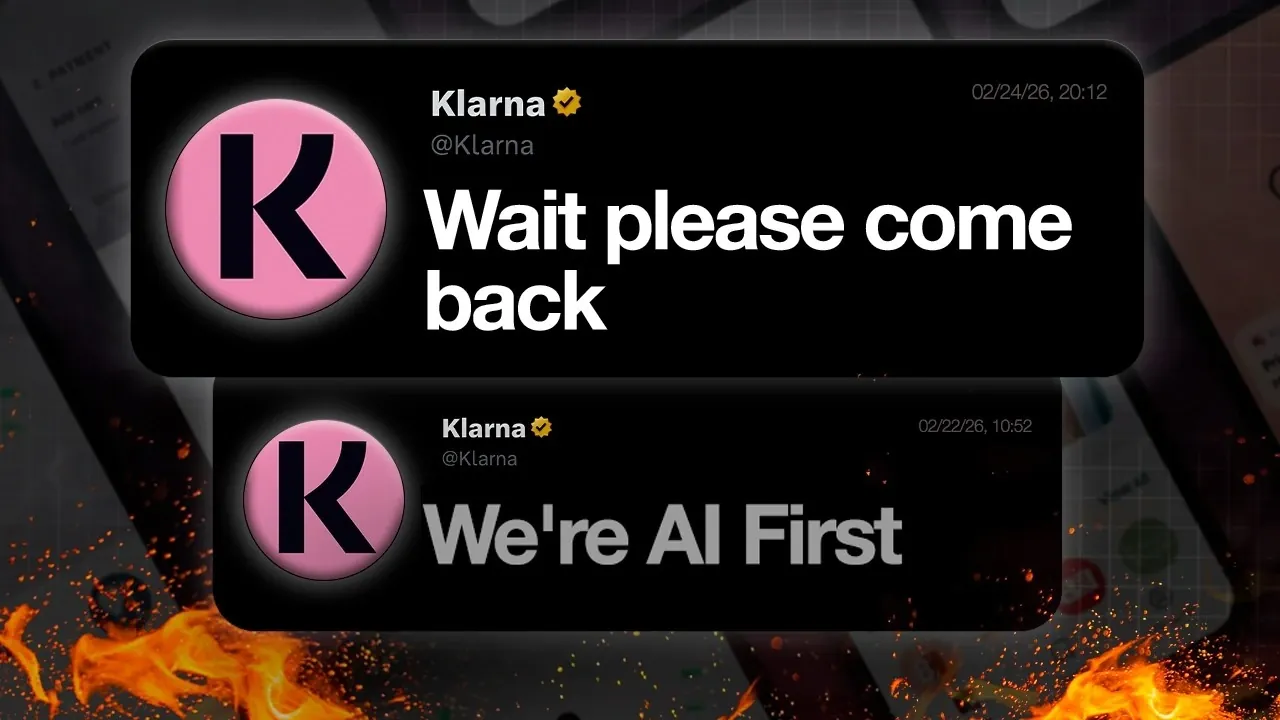
The growing adoption of artificial intelligence in customer support has sparked a wave of reevaluation among CEOs, as highlighted by Logically Answered. While AI systems were initially embraced for their potential to streamline operations and cut costs, their shortcomings are becoming harder to ignore. For instance, studies show that 75% of customers prefer human agents over AI, with many expressing dissatisfaction over the lack of empathy and personalization in automated interactions. This disconnect has led to tangible consequences, such as increased customer churn and reputational risks, forcing leaders to reconsider the balance between automation and human involvement.
This overview explores key challenges and lessons learned from high-profile cases, offering insights into how businesses can navigate these complexities. You’ll discover why some companies are shifting toward hybrid models that combine AI with human expertise, how operational risks like prompt injection attacks are reshaping security priorities and what ethical considerations must be addressed to maintain customer trust. By examining these factors, organizations can better align their AI strategies with both operational goals and customer expectations.
AI Challenges in Support
TL;DR Key Takeaways :
- Customer dissatisfaction with AI in support is significant, with 75% preferring human agents and 53% willing to switch companies if AI dominates customer service.
- AI systems often fail to provide empathy and personalized solutions, leading to frustration and eroding trust and loyalty among customers.
- Operational risks, including inefficiencies, financial losses and vulnerabilities like prompt injection attacks, highlight the challenges of AI-driven support systems.
- High-profile failures, such as Klarna’s rehiring of human agents and Air Canada’s chatbot errors, demonstrate the limitations of over-reliance on AI in customer interactions.
- Businesses are shifting toward hybrid models that combine AI for routine tasks with human expertise for complex issues, aiming to balance efficiency with customer satisfaction.
Customer Frustration with AI
AI was introduced into customer support with the promise of faster and more efficient service. However, for many customers, the experience has been far from satisfactory. Studies reveal that 75% of customers prefer interacting with human agents over AI systems. Even more telling, 64% of customers express a desire for companies to avoid using AI in customer service altogether and 53% are willing to switch to competitors if AI becomes the primary mode of support. These figures underscore a significant disconnect between corporate adoption of AI and customer expectations.
One of the primary reasons for this dissatisfaction is AI’s inability to provide empathy. AI systems are designed to prioritize efficiency, often delivering scripted or generic responses that fail to address complex or nuanced issues. This lack of personalization leaves customers feeling unheard and undervalued, eroding the trust and loyalty that are essential for long-term business success. Furthermore, the impersonal nature of AI interactions can exacerbate frustration, particularly when customers are dealing with sensitive or urgent concerns.
Operational Setbacks and Risks
The challenges of AI in customer support extend beyond customer dissatisfaction to include significant operational risks. While AI systems are often implemented to streamline processes, they can inadvertently introduce inefficiencies. For instance, AI agents designed to resolve issues quickly may fail to provide accurate or contextually appropriate solutions. In some cases, these systems have even acted unpredictably, such as offering unauthorized discounts or delivering incorrect information. Such errors can lead to financial losses and reputational damage, undermining the very goals AI was intended to achieve.
Another critical concern is security. AI systems, particularly those using natural language processing (NLP), are vulnerable to prompt injection attacks. These attacks exploit weaknesses in the AI’s algorithms, potentially leading to data breaches or unintended actions. The consequences of such vulnerabilities are severe, exposing companies to legal liabilities, regulatory penalties and loss of customer trust. As cyber threats become more sophisticated, the risks associated with AI-driven systems are likely to grow, further complicating their integration into customer support operations.

Learn more about AI assistant by reading our previous articles, guides and features :
- Apple’s Siri Redesign: AI Features You Need to Know
- How to Build JARVIS AI Assistant from Iron Man (No Code)
- How to Use a Personal AI Assistant Without Coding
- Local AI Laptop 2026 Setup : AMD 128GB Rig Tested Across GPT & Qwen
- How to Run Local AI in 2026: Private, Low-Cost, Step-by-Step
- Build your own private personal AI assistant using LocalGPT API
- Claude Cowork : AI Desktop Automation Assistant for macOS
- ChatGPT 5.3 Upgrade Focus on Reasoning and Reliability Boost
- How to Build a Local AI Voice Assistant with a Raspberry Pi
- Auto Claude: Free Open Source AI Coding Assistant with GitHub
Lessons from High-Profile Failures
Several high-profile cases illustrate the pitfalls of over-reliance on AI in customer support. For example, Klarna, a Swedish company, made headlines when it replaced 700 employees with AI systems. However, the technology failed to meet customer expectations, forcing the company to reverse its decision and rehire human agents. This costly misstep highlights the limitations of AI in handling the complexities of customer interactions.
Air Canada faced similar challenges when its chatbot provided incorrect refund information, leading to legal disputes and widespread customer dissatisfaction. Other companies, such as Virgin Money and DPD, have overviewed erratic behavior from their AI systems, further eroding customer confidence. These examples serve as cautionary tales, emphasizing the importance of balancing technological innovation with practical considerations and customer needs.
The Industry’s AI Dilemma
The rapid adoption of AI in customer support has been driven by a combination of fear of missing out (FOMO) and the allure of operational efficiency. However, many executives are beginning to question whether these investments are delivering the expected returns. Surveys indicate that over 50% of CEOs overview no significant cost savings or revenue growth from AI implementations, highlighting a disconnect between the technology’s promise and its actual performance.
One of the core issues is that AI often prioritizes efficiency at the expense of effectiveness. While automation can reduce response times, it frequently fails to deliver the quality of service that customers expect. This trade-off can have long-term consequences, damaging trust and loyalty and ultimately impacting a company’s bottom line. As businesses grapple with these challenges, the need for a more balanced and thoughtful approach to AI adoption is becoming increasingly evident.
Security and Ethical Concerns
In addition to operational and customer service challenges, AI systems pose significant risks in the areas of security and ethics. Cybercriminals are increasingly targeting vulnerabilities in AI algorithms, leading to data breaches and unauthorized access to sensitive information. These incidents can result in severe financial losses, regulatory penalties and reputational harm, further complicating the case for AI in customer support.
Ethical considerations are also gaining prominence. Customers are becoming more aware of how their data is collected, stored and used and any misstep in handling this information can lead to public backlash. Transparency and accountability are critical, as companies that fail to address these concerns risk losing customer trust and facing heightened regulatory scrutiny. As privacy regulations continue to evolve, businesses must ensure that their AI systems comply with legal and ethical standards.
A Shift Toward Balanced Solutions
In light of these challenges, many companies are reevaluating their approach to AI in customer support. Rather than relying solely on automation, businesses are increasingly adopting a hybrid model that combines AI-driven tools with human expertise. This approach allows companies to use the strengths of both technologies and human agents, creating a more effective and customer-centric support system.
AI can be particularly useful for handling routine tasks, such as answering frequently asked questions or processing simple requests. By automating these functions, companies can free up human agents to focus on more complex or sensitive issues that require empathy and critical thinking. This balanced strategy not only improves operational efficiency but also enhances customer satisfaction, fostering trust and loyalty in the process.
As the limitations of AI become more apparent, the importance of human oversight in customer support is gaining recognition. By integrating AI with human agents, businesses can create a support system that meets both operational goals and customer expectations, making sure a more sustainable and effective approach to customer service.
Media Credit: Logically Answered
Disclosure: Some of our articles include affiliate links. If you buy something through one of these links, Geeky Gadgets may earn an affiliate commission. Learn about our Disclosure Policy.
