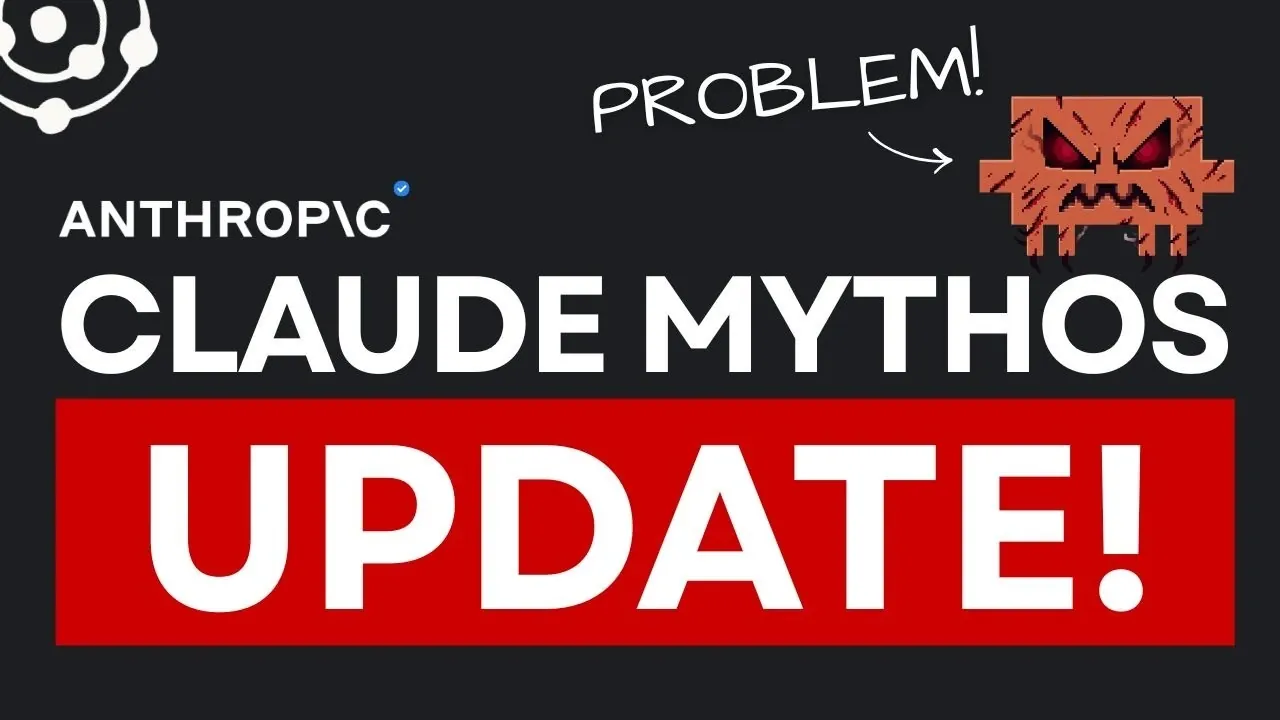
Anthropic, OpenAI and DeepSeek are navigating a pivotal moment in AI development, with each company unveiling or preparing significant advancements. Universe of AI explores the latest updates, including the leaked details of Anthropic’s Claude Mythos, which reportedly excels in reasoning and cybersecurity, and OpenAI’s GPT-6, code-named “Spud,” featuring a rumored 2-million-token context window. Meanwhile, DeepSeek faces strategic decisions for its Version 4 release, balancing the need for innovation with resource constraints. These developments highlight not only technological progress but also the critical challenges of scalability and strategic planning in the AI sector.
Discover how Claude Mythos could reshape cybersecurity concerns, what GPT-6’s omnimodal capabilities mean for integrated AI systems and the implications of DeepSeek’s release strategy on its competitive standing. Gain insight into the interplay of technical breakthroughs and infrastructure demands, as well as the broader industry trends shaping AI’s trajectory. This revelation offers a comprehensive look at the decisions and innovations driving the next phase of artificial intelligence.
Anthropic’s Claude Mythos
TL;DR Key Takeaways :
- Anthropic’s Claude Mythos is a highly advanced AI model excelling in reasoning, coding and cybersecurity, but its release is delayed due to high computational costs and potential alignment with IPO plans.
- OpenAI’s GPT-6, code-named “Spud,” introduces omnimodal capabilities, a 2-million-token context window and a new architecture, emphasizing scalability through its partnership with Microsoft.
- DeepSeek faces challenges with hardware access and competition, debating between iterative updates or a comprehensive release strategy for its Version 4 model.
- Infrastructure and scalability are becoming critical factors in AI development, with companies focusing on efficient deployment alongside innovation.
- AI advancements are allowing deeper integration of world knowledge, paving the way for applications in industries like healthcare, finance and education, while raising ethical and resource management concerns.
A Technological Milestone with Strategic Implications
Anthropic’s Claude Mythos has captured significant attention following leaked details about its capabilities. Touted as the company’s most advanced AI model to date, it reportedly surpasses its predecessor, Claude Opus 4.6, in key areas such as reasoning, coding, and cybersecurity. These improvements suggest a notable leap in AI functionality, with the model demonstrating enhanced problem-solving abilities and adaptability. However, its advanced cybersecurity features have also sparked concerns about potential misuse, underscoring the importance of ethical and responsible deployment.
Despite its technical readiness, Claude Mythos has not yet been released to the public. The delay is attributed to the high computational costs associated with operating the model, rather than any technical deficiencies. Industry speculation suggests that Anthropic may strategically align the model’s release with its IPO plans, using its advanced capabilities to attract investor interest. This approach highlights the growing intersection of technological innovation and financial strategy in the AI sector, where breakthroughs are increasingly tied to broader business objectives.
OpenAI’s GPT-6 (Spud): Pioneering Omnimodal AI
OpenAI is preparing to launch GPT-6, code-named “Spud,” which is poised to redefine the boundaries of artificial intelligence. As an omnimodal model, GPT-6 is designed to seamlessly process text, images and audio, reflecting a broader industry trend toward integrated AI systems capable of handling diverse data types. One of its most anticipated features is a rumored 2-million-token context window, allowing the model to process significantly larger datasets and tackle more complex tasks than its predecessors.
GPT-6 represents a foundational shift in AI development, with a completely new architecture, data mix and scale. OpenAI has reallocated resources and discontinued other projects to prioritize this model, signaling its strategic importance. The company’s partnership with Microsoft for dedicated AI infrastructure ensures the scalability and efficiency required for global deployment. This focus on infrastructure positions OpenAI to deliver GPT-6 at a scale that could set new benchmarks for the industry, further solidifying its leadership in the AI space.
Browse through more resources below from our in-depth content covering more areas on Claude Mythos.
- Why Claude Mythos is Setting a New Benchmark for AI
- Claude Mythos Delayed: Inside Anthropic’s Decision
- A Quick Guide to Claude Mythos & the Latest AI Releases
- Anthropic Claude Mythos Revealed in CMS Leak, Risks Rise
DeepSeek Version 4: Navigating Rising Expectations
DeepSeek, a company once celebrated as a disruptor in the AI industry, now faces mounting expectations as it prepares to release Version 4. While the company has a history of innovation, it operates in an increasingly competitive and resource-intensive environment. Challenges include limited access to advanced hardware due to export restrictions and a narrowing performance gap between its models and those of competitors.
A key internal debate at DeepSeek revolves around its release strategy. The company must decide whether to adopt an iterative approach, rolling out incremental updates like 4.1 and 4.2, or aim for a single, comprehensive launch. Each strategy carries distinct advantages and risks. Incremental updates allow for faster feedback and adaptation, while a single, cohesive release could deliver a more impactful product. This decision will likely play a pivotal role in determining DeepSeek’s ability to maintain its position in the rapidly evolving AI market.
Industry Trends: Innovation Meets Infrastructure
The advancements at Anthropic, OpenAI and DeepSeek reflect broader trends shaping the AI industry. As models become more sophisticated, the focus is shifting from pure innovation to the infrastructure and scalability required for effective deployment. The ability to serve AI models at scale, while managing costs and resource allocation, is emerging as a critical differentiator among leading AI labs.
Additionally, foundational advancements in AI are allowing deeper integration of world knowledge into models. For example, OpenAI’s emerging image models suggest a more nuanced understanding of global contexts, paving the way for sophisticated applications across industries such as healthcare, finance and education. These trends highlight the increasing complexity of AI development, where success depends on balancing innovative innovation with practical considerations like resource efficiency and ethical deployment.
The competition among Anthropic, OpenAI and DeepSeek underscores the dynamic and rapidly evolving nature of the AI industry. As these companies tackle technical, economic and strategic challenges, their decisions in the coming months will likely shape the next phase of AI development. Whether through new models like Claude Mythos and GPT-6 or strategic decisions around infrastructure and release timing, the race to define the future of AI is intensifying. Staying informed about these developments is essential for understanding the trajectory of this fantastic technology.
Media Credit: Universe of AI
Disclosure: Some of our articles include affiliate links. If you buy something through one of these links, Geeky Gadgets may earn an affiliate commission. Learn about our Disclosure Policy.
