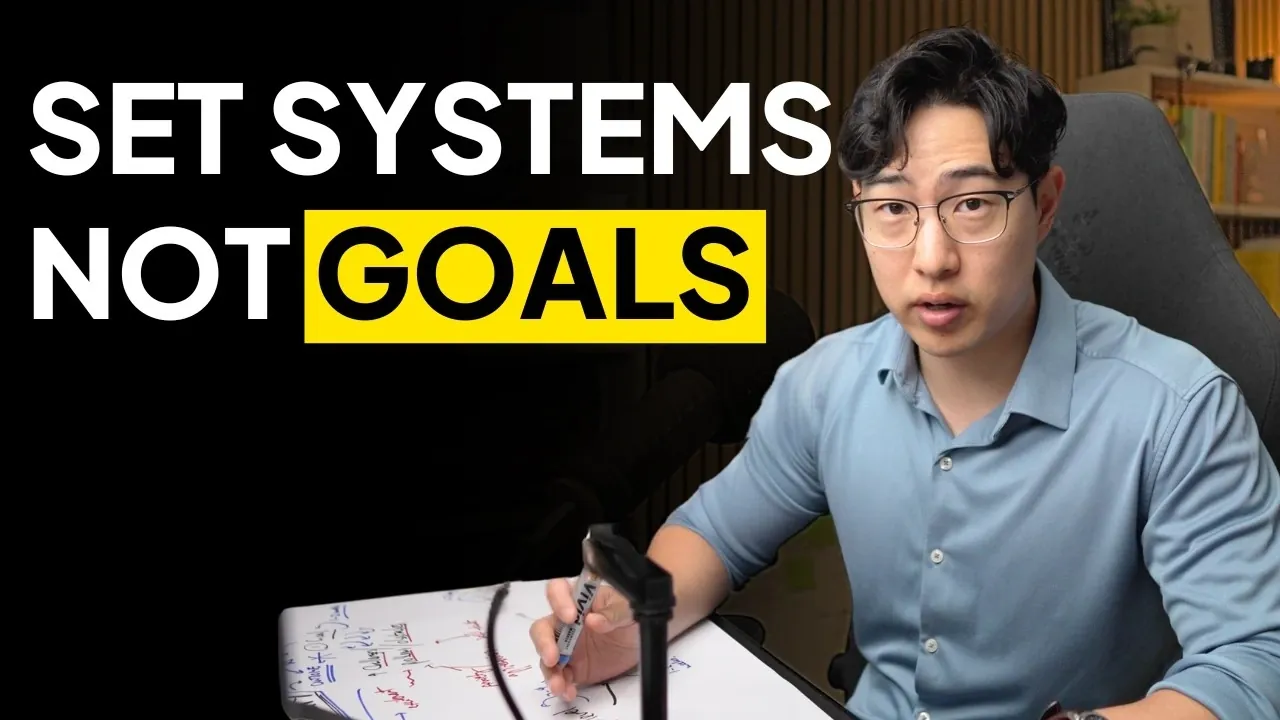
What if the key to transforming your life in 2026 wasn’t about setting bigger goals but rethinking how you approach them altogether? Justin Sung takes a closer look at how reverse goal setting flips traditional methods on their head, offering a more flexible and fulfilling way to achieve success. Imagine focusing not just on the end result but on the skills, habits, and growth you gain along the way. This approach doesn’t just help you adapt to unexpected challenges, it ensures you’re always moving forward, even when life throws you a curveball. If you’ve ever felt stuck, unmotivated, or overwhelmed by rigid plans, this could be the breakthrough you’ve been waiting for. What if the journey itself became as rewarding as the destination?
In this step-by-step guide, you’ll discover how reverse goal setting can help you clarify your objectives, overcome obstacles, and stay aligned with your evolving priorities. From breaking down challenges into manageable steps to identifying the skills that truly matter, this method offers a practical and adaptable framework for personal growth. You’ll also learn how to evaluate your progress and adjust your plans without losing momentum. Whether you’re aiming for career success, mastering a new skill, or simply seeking more balance in your life, this approach ensures your goals remain meaningful and achievable. The way you plan your future might just redefine how you live it.
Reverse Goal Setting Overview
TL;DR Key Takeaways :
- Reverse goal setting focuses on personal growth, skill development, and adaptability, addressing the limitations of traditional rigid goal-setting methods.
- The five-step framework includes defining meaningful goals, breaking down challenges, assessing current abilities, conducting a force field analysis, and developing an actionable, flexible plan.
- It emphasizes flexibility and alignment with evolving priorities, making sure progress even when circumstances change unexpectedly.
- Key benefits include simplifying complex objectives, fostering adaptability, prioritizing self-improvement, and maintaining relevance to personal values.
- Practical tips for success include focusing on significant skill gaps, avoiding overwhelm, regularly reassessing progress, and celebrating small wins to sustain motivation.
Challenges with Traditional Goal Setting
Traditional goal-setting methods often fall short due to their rigid structure and lack of practical guidance. Common challenges include:
- Unclear, step-by-step plans that leave you unsure of how to proceed.
- Demotivation caused by unpredictable paths or setbacks.
- Goals that fail to align with your personal values or evolving needs.
These issues can lead to frustration, stagnation, or a sense of unfulfillment. Reverse goal setting addresses these shortcomings by emphasizing flexibility, self-awareness, and continuous improvement.
The Reverse Goal Setting Framework
Reverse goal setting is a structured, five-step process designed to help you clarify your objectives and take actionable steps toward achieving them. This framework encourages adaptability and ensures your efforts remain aligned with your priorities.
1. Define Your Goal
Begin by identifying a meaningful goal, but remain open to adjustments as you progress. Instead of fixating solely on the goal itself, focus on the outcome or feeling you want to achieve. For instance, if your goal is to enhance your career, consider what success in that role would look and feel like for you. This perspective keeps your efforts grounded in purpose rather than rigid expectations.
2. Break Down Challenges and Identify Skills
Analyze your goal by breaking it into smaller, manageable challenges. Identify the skills, habits, or attributes you’ll need to overcome these obstacles. For example, if you aim to improve your public speaking, you might focus on building confidence, refining presentation techniques, and mastering audience engagement. This step ensures clarity and provides a roadmap for skill development.
3. Evaluate Your Current Abilities
Take an honest inventory of your strengths and weaknesses in relation to your goal. This self-assessment helps you identify the gap between your current abilities and the skills required to succeed. By understanding this gap, you can create a targeted plan to build the necessary competencies, making sure steady progress toward your objective.
4. Conduct a Force Field Analysis
List the potential barriers that could hinder your progress and the resources or motivators that can propel you forward. For example, if time management is a challenge, consider tools like scheduling apps or strategies such as time-blocking to overcome it. This analysis allows you to develop a plan that uses your strengths while addressing obstacles, making sure a balanced and effective approach.
5. Develop an Action Plan
Focus on two or three key areas for improvement and take small, consistent steps to close the most significant gaps. Regularly reassess your progress and adjust your plan as needed to stay aligned with your priorities. This iterative approach ensures flexibility and sustained momentum, allowing you to adapt to changing circumstances without losing sight of your goals.
How to Change Your Life in 2026 with Reverse Goal Setting

Here are more detailed guides and articles that you may find helpful on goal setting.
- How to Align Daily Actions with Long-Term Objectives
- Master SMART Goals with Google Gemini
- How to Set Up the Forever Notes Journal in Apple Notes
- ChatGPT Data Analysis : Turn Raw Data into Gold with the DIG
- Master Your Goals with the Chronological Notebook System
- AI Study Guide : Accelerated Learning Steps and Time Savings in
- How to Use Claude AI for Personal & Business Goals in 2025
- Open AI Q-star details leak reveals more details about
- Why iPhone & AirPods Pro 3 Are the Ultimate Fitness Duo
- Why Tiny Experiments Are the Key to Self-Improvement Success
Why Reverse Goal Setting is Effective
Reverse goal setting offers several distinct advantages that make it a powerful tool for personal and professional growth:
- It simplifies complex objectives by breaking them into manageable, actionable steps.
- It prioritizes personal growth and skill development, making sure progress even if your goals evolve over time.
- It fosters adaptability and confidence by focusing on self-improvement rather than rigid outcomes.
- It aligns your efforts with your changing priorities, keeping your goals meaningful and relevant.
This approach not only enhances your ability to achieve your objectives but also ensures that the journey itself is fulfilling and aligned with your values.
Practical Tips for Implementing Reverse Goal Setting
To successfully integrate reverse goal setting into your life, consider these practical tips:
- Focus on areas with the largest skill gaps or the highest importance to your goal.
- Avoid overwhelming yourself by concentrating on a few key areas at a time.
- Regularly evaluate your progress and adjust your plans to stay aligned with your evolving priorities.
- Celebrate small wins to maintain motivation and build momentum.
By following these steps, you can create a dynamic and effective framework that adapts to your needs and circumstances.
Unlocking Your Potential in 2026
Reverse goal setting shifts the focus from rigid goal achievement to a dynamic process of personal growth and adaptability. By emphasizing clarity, actionable steps, and alignment with your evolving priorities, this approach ensures meaningful progress and fulfillment. Whether you’re striving for career advancement, personal development, or skill acquisition, reverse goal setting provides a flexible and effective framework to help you succeed in 2026 and beyond.
Media Credit: Justin Sung
Disclosure: Some of our articles include affiliate links. If you buy something through one of these links, Geeky Gadgets may earn an affiliate commission. Learn about our Disclosure Policy.
