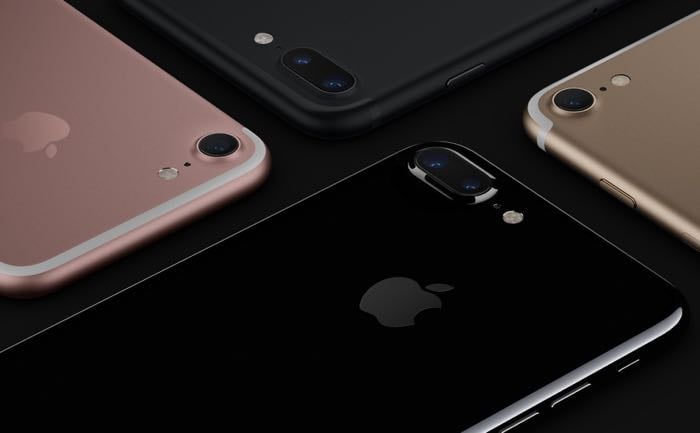
Apple’s iPhone 7 and iPhone 7 Plus are advertised as having a sapphire glass, but now it would appear that the handsets may not actually have true sapphire glass.
YouTuber JerryRigEverything has put the so-called sapphire glass on the camera lens of the iPhone 7 through its paces. He also tested the sapphire glass on a watch and compared it to a sapphire crystal.
As we can see from the video, Apple’s camera lens is much more prone to scratching than the sapphire glass on the Tissot watch.

It would appear that Apple’s glass is not solid sapphire, but instead it is a layer of sapphire on top of normal glass. This means that it could be easier to accidentally scratch your iPhone camera lens than if it was solid sapphire glass.
Understanding Sapphire Glass
Sapphire glass is known for its exceptional hardness and scratch resistance. On the Mohs scale of mineral hardness, sapphire ranks just below diamond, making it an ideal material for high-durability applications such as watch faces and camera lenses. True sapphire glass is created by crystallizing aluminum oxide at high temperatures, resulting in a material that is almost as hard as diamond.
However, producing large sheets of pure sapphire glass is both challenging and expensive. This is why many manufacturers, including Apple, may opt for a composite material that includes a layer of sapphire on top of another type of glass. While this can still offer some scratch resistance, it does not provide the same level of durability as pure sapphire glass.
Implications for iPhone Users
For iPhone users, the distinction between pure sapphire glass and a sapphire-coated glass is significant. While the latter may offer some protection against minor scratches, it is not as robust as pure sapphire glass. This means that users may need to be more cautious with their devices to avoid damaging the camera lens.
In practical terms, this could mean investing in additional protective measures, such as camera lens protectors or more durable phone cases. It also raises questions about the marketing claims made by Apple and other manufacturers regarding the materials used in their devices.
For example, if a user believes they are getting the superior scratch resistance of pure sapphire glass, they may be less careful with their device, leading to unexpected damage. This discrepancy between expectation and reality can be frustrating for consumers who rely on these marketing claims to make informed purchasing decisions.
Comparative Analysis
To put this into perspective, let’s consider other devices that use sapphire glass. High-end watches, such as those made by Tissot, often use pure sapphire crystal for their faces. These watches are known for their durability and resistance to scratches, making them a popular choice for consumers who need a reliable timepiece.
In contrast, the iPhone 7’s camera lens, which uses a sapphire-coated glass, does not offer the same level of protection. This is evident from the tests conducted by JerryRigEverything, where the iPhone’s camera lens showed more signs of wear and tear compared to the Tissot watch.
This comparative analysis highlights the importance of understanding the materials used in consumer electronics. While a sapphire coating can provide some benefits, it is not a substitute for pure sapphire glass. Consumers should be aware of these differences when making purchasing decisions and consider the potential trade-offs in terms of durability and cost.
In conclusion, while Apple’s use of sapphire-coated glass on the iPhone 7 and iPhone 7 Plus offers some level of scratch resistance, it does not match the durability of pure sapphire glass. Users should be mindful of this distinction and take appropriate measures to protect their devices. This serves as a reminder of the importance of scrutinizing marketing claims and understanding the materials used in the products we rely on every day.
Source JerryRigEverything, The Verge
Disclosure: Some of our articles include affiliate links. If you buy something through one of these links, Geeky Gadgets may earn an affiliate commission. Learn about our Disclosure Policy.
