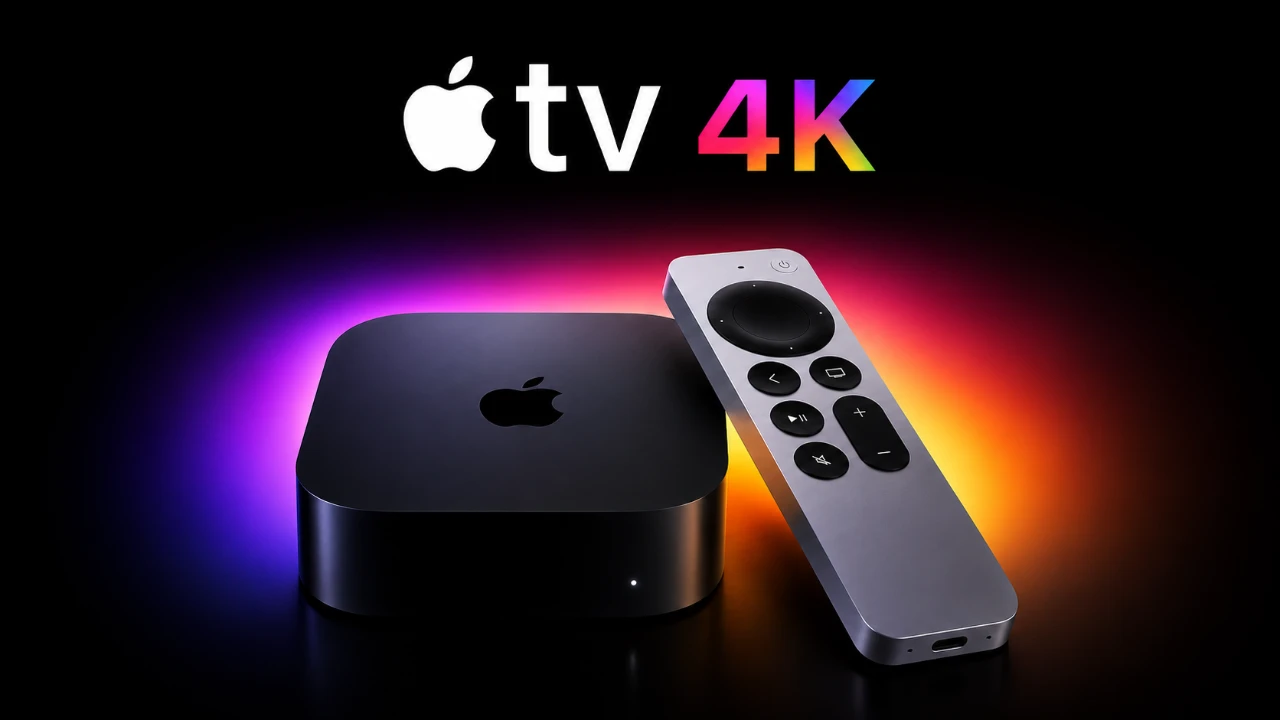
Apple is poised to redefine the smart home landscape with significant updates to its Apple TV and HomePod Mini. These devices, which have seen minimal innovation in recent years, are set to receive fantastic upgrades powered by Siri 2.0, Apple’s next-generation voice assistant. Central to these advancements is the integration of Apple Intelligence, an innovative technology designed to enhance device functionality, improve HomeKit integration, and solidify Apple’s standing in the competitive smart home market. These updates, expected to debut alongside iOS 27, promise to deliver a more seamless and intuitive smart home experience. The video below from 9 to 5 Mac gives us more details about the new Apple TV 4K.

Apple’s Vision for a Unified Smart Home Ecosystem
Apple’s smart home strategy revolves around HomeKit, its proprietary platform that allows you to manage connected devices such as lights, thermostats, cameras, and smart locks through a unified interface. While HomeKit offers a streamlined approach to smart home management, it has faced challenges, including limited compatibility with third-party accessories and higher costs compared to competing platforms.
To address these limitations, Apple is embracing Matter, a universal smart home standard designed to ensure interoperability between devices from various manufacturers. By adopting Matter, Apple aims to expand the range of compatible devices, making it easier for you to integrate products from different brands into your smart home setup. The Apple TV and HomePod Mini serve as central hubs for HomeKit, facilitating communication between devices. With the addition of Siri 2.0 and Apple Intelligence, these hubs are set to become more intuitive, responsive, and capable, enhancing their role as the backbone of your smart home ecosystem.
The Evolution of Siri 2.0: A Strategic Investment
The Apple TV has not seen a significant update since 2022, and the HomePod Mini has remained unchanged since its launch in 2020. This lack of updates is not due to neglect but rather Apple’s deliberate focus on developing Siri 2.0 and Apple Intelligence. Siri 2.0 represents a major leap forward in voice assistant technology, offering improved natural language processing and advanced automation capabilities. These enhancements are designed to make Siri a smarter, more responsive assistant that can better understand and execute your commands.
By prioritizing the development of Siri 2.0, Apple is laying the groundwork for a more cohesive and intelligent ecosystem. This strategic investment underscores Apple’s commitment to delivering a superior user experience, making sure that its smart home products remain competitive in an increasingly crowded market.
Hardware Innovations: What’s on the Horizon
The upcoming Apple TV is expected to feature the A17 Pro chip, a high-performance processor that will enable faster response times and enhanced local AI processing. This shift to on-device intelligence reduces reliance on cloud services, resulting in quicker and more secure interactions. Additionally, the Apple TV may introduce support for AAA gaming, potentially transforming it into a versatile entertainment hub capable of delivering console-quality gaming experiences.
The HomePod Mini is also set to receive a hardware upgrade, likely transitioning from the S5 chip to the more advanced S9 chip. While the HomePod Mini itself will not handle AI processing, the new chip is expected to improve overall performance and enhance its integration with other Apple devices. These hardware updates, combined with the capabilities of Siri 2.0, aim to make both the Apple TV and HomePod Mini more efficient, reliable, and user-friendly.
Enhanced Features and Seamless Integration
Siri 2.0 is designed to elevate the automation and user experience across Apple’s ecosystem. Imagine issuing a single voice command to dim the lights, adjust the thermostat and play your favorite playlist simultaneously. These advanced automation routines will simplify the management of your smart home, making it more intuitive and efficient.
The Apple TV is also rumored to introduce FaceTime support, allowing you to make video calls directly from your television. This feature could prove invaluable for virtual family gatherings, remote work meetings, or connecting with friends. For gaming enthusiasts, the Apple TV’s potential AAA gaming capabilities, powered by the A17 Pro chip, could make it a compelling addition to your entertainment setup.
Additionally, Apple is expected to refresh the Apple TV remote, addressing common user complaints such as battery life and connectivity issues. These updates aim to enhance the overall usability of the Apple TV, making it a more versatile and indispensable component of your home entertainment system.
Anticipated Launch Timeline
Apple is likely to unveil these updates during its annual September event, coinciding with the public release of iOS 27. Developers can expect to gain early access to a beta version of iOS 27 during the Worldwide Developers Conference (WWDC), with a public beta rollout anticipated in July. This coordinated timeline suggests that Apple is aligning its hardware and software updates to deliver a unified and enhanced user experience.
Overcoming Challenges in the Smart Home Market
Despite these advancements, Apple faces several challenges in expanding its smart home ecosystem. HomeKit’s limited accessory compatibility and premium pricing remain significant barriers for many users. However, Apple’s adoption of the Matter standard could help mitigate these issues by broadening the range of compatible devices and fostering greater interoperability. By focusing on user-centric design and seamless integration, Apple has the potential to overcome these obstacles and strengthen its position in the smart home market.
A Future of Smarter Living
The introduction of Siri 2.0 and the updates to the Apple TV and HomePod Mini mark a significant step forward in Apple’s smart home strategy. These advancements not only enhance the functionality of Apple’s product lineup but also reaffirm the company’s commitment to creating a seamless, intelligent ecosystem. With the release of iOS 27 and the adoption of Matter, Apple is paving the way for a smarter, more connected future. As these updates roll out, you can look forward to a more intuitive and integrated smart home experience, powered by Apple’s latest innovations.
Here is a selection of other guides from our extensive library of content you may find of interest on Siri 2.0.
- The 8 New Apple Products Leaking Ahead of the June Event
- Siri 2.0: Apple’s Massive iOS 27 Overhaul Makes the Assistant Unrecognizable8
- Apple Just Confirmed WWDC 26: What to Expect from Siri 2.0 and iOS 27
- Siri 2.0 Plans Include Siri App and Dynamic Island Controls
- Beyond Audio: Why the AirPods Ultra’s New Infrared Sensors Are a Fantastic option
Source & Image Credit: 9to5Mac
Disclosure: Some of our articles include affiliate links. If you buy something through one of these links, Geeky Gadgets may earn an affiliate commission. Learn about our Disclosure Policy.
