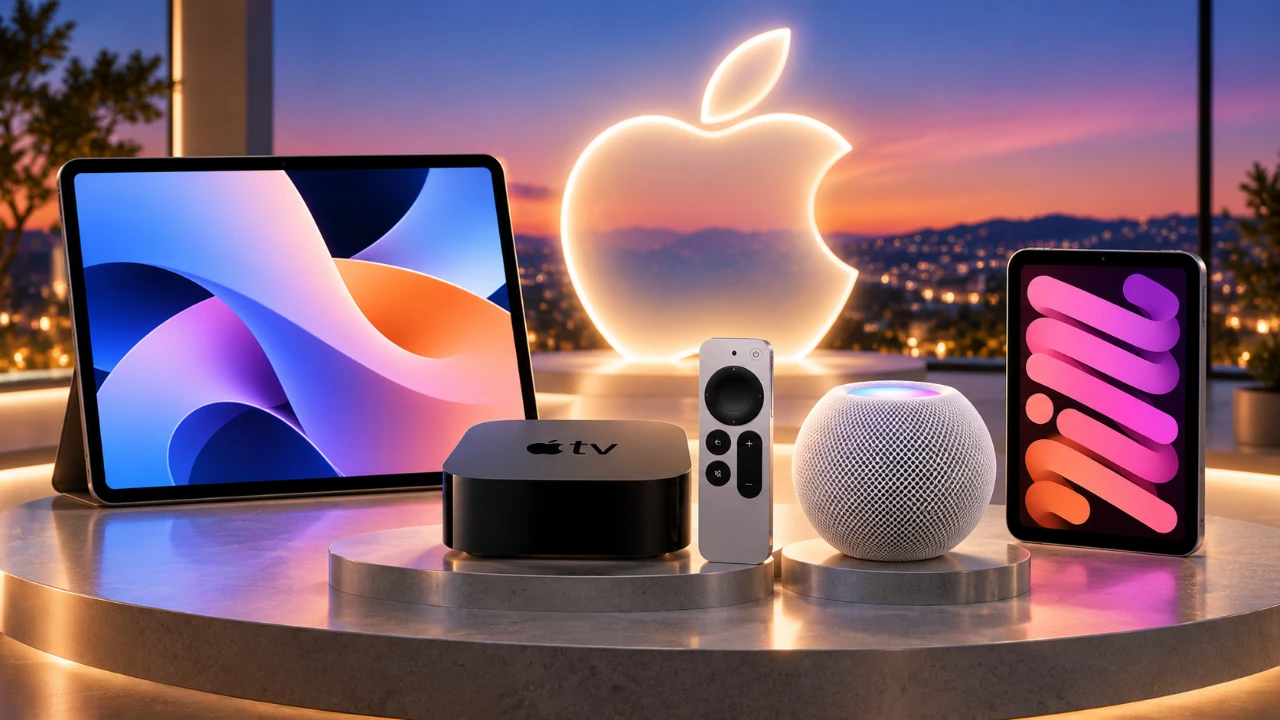
Apple has made a significant move into the smart home market, unveiling a suite of devices and accessories designed to compete with established players like Amazon Ring and Google Nest. By emphasizing privacy, seamless integration, and user-friendly design, Apple is using its technological expertise and a strategic partnership with LG to reshape the smart home experience. This development reflects Apple’s commitment to expanding its ecosystem while addressing consumer demands for security and convenience. Below is a detailed look at Apple’s latest advancements and their potential impact on the market in a new video from Apple Insider.

Key Devices in Apple’s Smart Home Ecosystem
Apple’s new lineup introduces both updates to existing products and entirely new devices, all aimed at enhancing its smart home ecosystem. These products prioritize functionality, intuitive design, and improved user interaction, setting a high standard for the industry.
- HomePod Mini 2: The updated HomePod Mini retains its compact and sleek design while introducing vibrant new color options, including green, pink, and blue, alongside the classic white and black. Enhanced by Apple Intelligence and Siri AI, the device offers smarter, more responsive interactions, making it an essential hub for managing your smart home.
- Apple TV 4K (4th Gen): The latest iteration of Apple TV 4K features personalized recommendations powered by Apple Intelligence, a redesigned Siri remote for better navigation, customizable avatars, and immersive audio for screen savers. These updates aim to deliver a more engaging and tailored entertainment experience.
- Smart Home Display: Apple’s new 6-7 inch smart display acts as a central hub for your home. Equipped with facial recognition, widget support from iPhone apps, and standby mode-inspired faces, it seamlessly integrates with other Apple devices, offering a unified and intuitive control experience.
Privacy-Centric AI Camera: Redefining Home Security
Apple is addressing growing concerns about privacy with its innovative AI-powered security camera. Unlike traditional home security cameras, this device processes low-resolution footage locally, making sure that no photos or videos are stored externally. Using advanced Apple Intelligence, the camera can detect actions and recognize individuals without compromising user privacy. This privacy-first approach sets a new benchmark for secure, reliable home monitoring, appealing to users who prioritize data protection in their smart home systems.
Apple and LG: A Strategic Partnership for Smart Accessories
Apple’s collaboration with LG represents a pivotal step in its smart home strategy. Together, they are developing a range of smart home accessories designed to enhance functionality and integration. These accessories include a smart doorbell, deadbolt, thermostat, environmental sensor, and three cameras (indoor, outdoor, and floodlight). This partnership underscores Apple’s commitment to creating a comprehensive and interconnected smart home ecosystem.
- Seamless Integration: All accessories are compatible with Matter, Thread and ultra-wideband (UWB) technologies, making sure they work seamlessly with Apple Home and other ecosystems like Google Home and Amazon Alexa.
- Advanced Features: The deadbolt lock includes a swiveling keypad, physical keyhole, and emergency power port for added convenience. The thermostat features a basic display with potential adaptive temperature controls and clean energy integration, while the environmental sensor monitors humidity and temperature to optimize home comfort.
- Ease of Use: Cameras are equipped with Wi-Fi and NFC technology, allowing quick and straightforward installation. This user-friendly setup ensures accessibility for a broad range of consumers, regardless of technical expertise.
Launch Timeline and Market Implications
Apple plans to release its new smart home devices in a phased rollout. The HomePod Mini 2, Apple TV 4K and Smart Home Display are scheduled to launch on October 13, 2026, while the privacy-focused camera and LG co-developed accessories will follow in the coming months. This staggered approach allows Apple to build anticipation while making sure a smooth market entry.
The partnership with LG mirrors Apple’s successful collaborations with accessory makers like Belkin and Logitech. By supporting Matter compatibility, Apple Home is positioned to integrate seamlessly with a wide range of appliances, including washers, dryers, and refrigerators. This strategy not only strengthens Apple’s ecosystem but also enhances its competitive position in the smart home market. By offering a combination of privacy-focused solutions, innovative technology, and strategic partnerships, Apple is poised to attract a diverse audience of smart home users.
Apple’s Vision for the Smart Home
Apple’s latest foray into the smart home sector reflects its ambition to create a smarter, more connected home experience. By combining privacy-centric solutions with advanced technology and seamless integration, Apple is positioning itself as a formidable competitor in the smart home market. Whether you’re looking for enhanced security, improved connectivity, or intuitive device management, Apple’s new offerings aim to deliver a comprehensive and user-friendly solution for modern living.
Browse through more resources below from our in-depth content covering more areas of the smart home ecosystem.
Source: AppleInsider
Disclosure: Some of our articles include affiliate links. If you buy something through one of these links, Geeky Gadgets may earn an affiliate commission. Learn about our Disclosure Policy.
