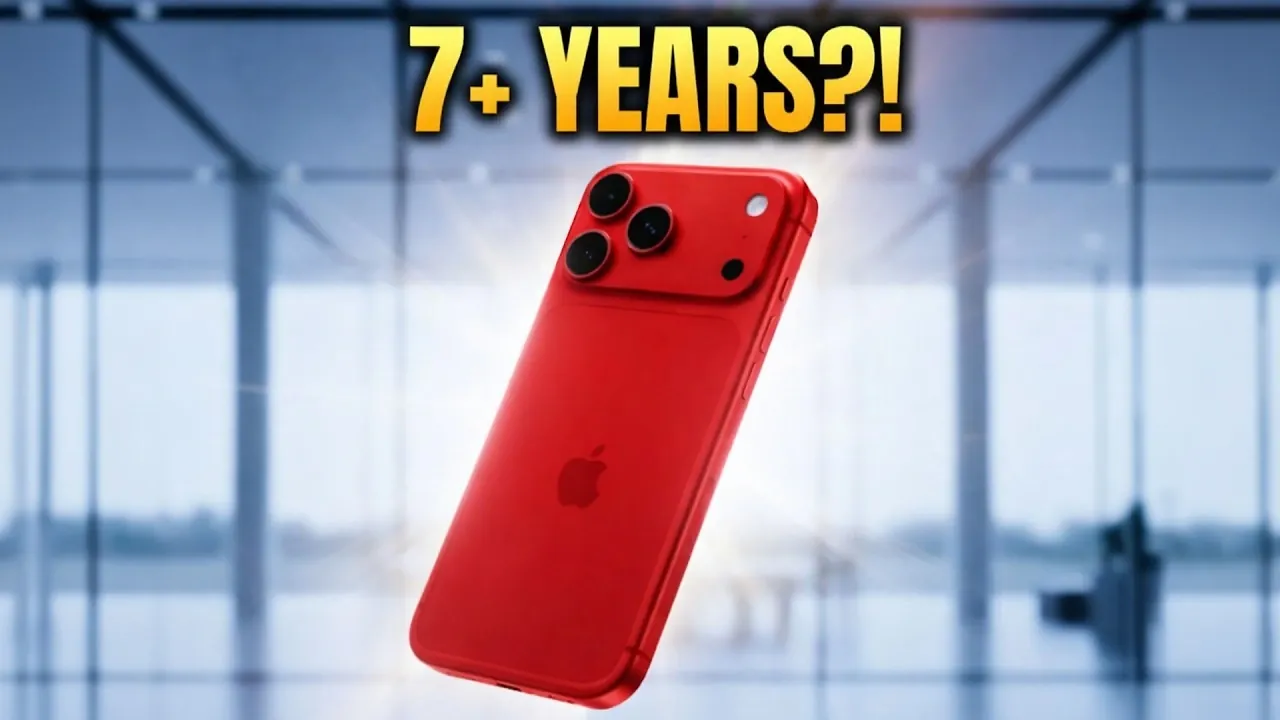
Apple is implementing significant changes to ensure its devices last longer and remain more functional over time. These updates are largely influenced by the European Union’s (EU) new sustainability regulations, which emphasize durability, repairability, and environmental responsibility. For you, this means your iPhone, iPad, MacBook, and other Apple devices will stay reliable for extended periods, reducing the need for frequent upgrades. This shift not only benefits users but also aligns with global efforts to minimize electronic waste and promote sustainable technology practices. The video below from Matt Talks Tech gives us more details.

Longer Software Support: Keeping Your Device Secure and Functional
Apple is extending the duration of software support for its devices, making sure they remain secure, efficient and up-to-date for years. Devices will now receive software updates for at least five years after being discontinued, with newer models featuring advanced chips, such as the A19, potentially receiving updates for up to seven years.
This extended support means your iPhone will continue to benefit from critical updates, including security patches, performance optimizations and new features, even years after its release. By addressing software obsolescence, Apple is tackling one of the primary reasons users feel compelled to replace their devices prematurely. This change ensures that your device remains a reliable tool for both personal and professional use, offering better value over its lifespan.
Improved Repairability: Easier Fixes for a Longer Lifespan
Repairing your Apple devices is becoming more straightforward and accessible. Under the EU’s new regulations, Apple is required to provide replacement parts for up to seven years after a product is discontinued. This ensures that you’ll have access to essential components for common repairs, such as replacing a cracked screen, fixing a malfunctioning camera, or addressing internal hardware issues.
In addition to providing parts, Apple is redesigning its products to make repairs easier. For instance, newer devices like the MacBook Neo feature modular components, which simplify the repair process and reduce costs. This approach minimizes the need for expensive repairs or complete device replacements, saving you both time and money. By making repairs more accessible, Apple is empowering users to maintain their devices for longer periods, reducing waste and enhancing overall usability.
Enhanced Battery Longevity: Reliable Performance Over Time
Battery performance is a critical factor in determining how long a device remains useful. Apple is introducing higher standards for battery durability to ensure consistent performance over time. Batteries in iPhones, iPads, and MacBooks must now retain at least 80% of their original capacity after 800 charge cycles.
This improvement means your device’s battery will last longer, even with regular use. You’ll experience fewer disruptions caused by battery degradation, allowing you to rely on your device for daily tasks without the frustration of frequent charging or replacements. By prioritizing battery longevity, Apple is addressing a common pain point for users and enhancing the overall reliability of its products.
The Role of EU Sustainability Regulations
The driving force behind these changes is the EU’s new sustainability regulations, which aim to reduce electronic waste and encourage the production of longer-lasting devices. These rules require manufacturers, including Apple, to meet stricter standards for software support, repairability and battery performance.
For you, this means fewer upgrades, less wast,e and a reduced environmental impact from discarded electronics. The EU’s approach is setting a benchmark for how technology companies can balance innovation with sustainability. By adhering to these regulations, Apple is not only improving the user experience but also contributing to a more environmentally responsible tech industry.
Global Impact: A Shift Toward Sustainable Technology
Although these regulations currently apply to the EU, their influence is expected to extend globally. The EU is one of the largest and most influential markets, often setting trends that shape policies and practices worldwide. Other regions may adopt similar standards, encouraging manufacturers to prioritize long-term usability, repairability and sustainability in their products.
This global shift could transform the technology industry, benefiting users everywhere. Devices designed to last longer not only reduce waste but also provide better value for consumers. For you, this means owning products that are more durable, cost-effective and environmentally friendly. As more companies follow Apple’s lead, the industry as a whole could move toward a future where sustainability and innovation go hand in hand.
Source & Image Credit: Matt Talks Tech
Disclosure: Some of our articles include affiliate links. If you buy something through one of these links, Geeky Gadgets may earn an affiliate commission. Learn about our Disclosure Policy.
