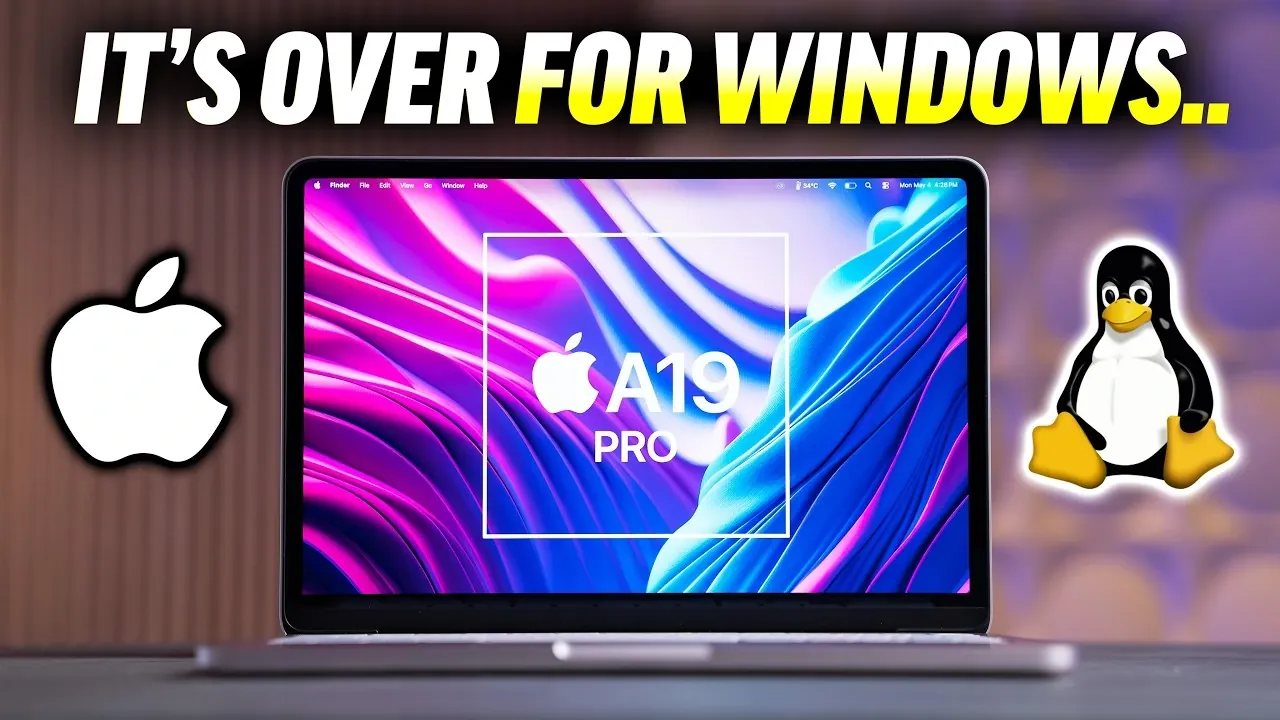
The MacBook Neo 2 is poised to significantly influence the laptop industry, presenting a formidable challenge to Microsoft Windows while amplifying competition from Linux-based systems. Building on the success of its predecessor, the MacBook Neo, this latest iteration introduces a blend of enhanced performance and affordability, appealing to both individual users and businesses. As Apple continues to push the boundaries of innovation, Microsoft faces mounting pressure to evolve, while Linux steadily gains traction as a flexible and reliable alternative. The video below from Max Tech gives us more details on the MacBook Neo 2.

Key Features That Set the MacBook Neo Series Apart
The original MacBook Neo established itself as a standout product by offering a unique combination of high performance and cost-effectiveness. Its sleek design, dependable functionality and competitive pricing earned it widespread acclaim among consumers and enterprises. The MacBook Neo 2 builds on this foundation with a series of significant upgrades designed to meet the demands of modern users. Key enhancements include:
- 12GB of RAM for seamless multitasking, making sure smooth performance even with resource-intensive applications.
- A faster processor that delivers improved speed and responsiveness for everyday tasks and professional workloads.
- Enhanced SSD storage for quicker data access, reducing load times and improving overall efficiency.
- Advanced charging technology for faster and more convenient power management.
These features are tailored to cater to users who require reliable performance for multitasking, creative projects, or business operations. For enterprises, the MacBook Neo 2 offers a compelling alternative to higher-priced Windows laptops, delivering comparable performance at a more accessible price point. This affordability, combined with Apple’s reputation for durability and reliability, positions the Neo 2 as a strong contender in professional environments, potentially accelerating the shift away from Windows-based systems.
Microsoft Windows: Navigating a Competitive Landscape
Microsoft Windows is at a pivotal moment as it faces increasing competition from Apple and Linux. The rising cost of high-quality Windows laptops has made them less appealing to budget-conscious buyers, creating an opportunity for alternatives like the MacBook Neo 2 to gain market share. In response, Microsoft is focusing on software innovation to retain its user base. One of its most anticipated developments is the upcoming “K1” update, which promises to introduce:
- A redesigned taskbar aimed at improving usability and streamlining navigation.
- Enhanced memory optimization to boost system performance and reduce resource consumption.
While these updates address some long-standing user concerns, they may not be sufficient to counter the growing appeal of Apple’s hardware advancements or Linux’s expanding presence. The competitive pressure from these alternatives highlights the need for Microsoft to deliver more than incremental improvements, as consumers increasingly prioritize value, performance and innovation.
Linux: An Emerging Force in the Laptop Market
Linux continues to gain momentum as a viable alternative to traditional operating systems, particularly among users who prioritize security, reliability and flexibility. Recent advancements, such as the availability of pre-installed Linux on framework laptops, have made the operating system more accessible to a broader audience, including non-technical users. This development removes a significant barrier to adoption and expands Linux’s appeal beyond its traditional user base.
Framework laptops, known for their customizable and upgradeable hardware, further enhance Linux’s attractiveness. These devices cater to consumers who value sustainability and control, offering a stark contrast to the closed ecosystems of Windows and Mac devices. For users seeking greater autonomy over their hardware and software, Linux presents a compelling option that aligns with modern values of transparency and adaptability.
The Consumer Advantage in a Competitive Market
The intensifying competition among Mac, Windows and Linux platforms ultimately benefits you as a consumer. As manufacturers and developers strive to outpace one another, the result is a market filled with better choices and greater value. This dynamic environment drives innovation and ensures that laptops continue to evolve to meet diverse user needs. Key benefits of this competition include:
- More affordable laptops equipped with innovative technology, making high performance accessible to a wider audience.
- Enhanced hardware, such as faster processors, improved storage solutions and longer battery life.
- Innovative software features, including optimized memory management and user-friendly interfaces.
The MacBook Neo 2 exemplifies this trend, offering a glimpse into a future where affordability and innovation go hand in hand. Whether your priorities are performance, cost, or accessibility, the evolving laptop market ensures that your next device will be tailored to meet your expectations.
Here are more guides from our previous articles and guides related to MacBook Neo 2 that you may find helpful.
- MacBook Neo 2 Leaks: A19 Pro Chip and Doubled SSD Speeds Rumored
- MacBook Neo 2 Tipped for A19 Pro Chips and up to 3x Faster AI
- MacBook Neo 2 : 7 massive changes coming to Apple’s $599 laptop.
Source & Image Credit: Max Tech
Disclosure: Some of our articles include affiliate links. If you buy something through one of these links, Geeky Gadgets may earn an affiliate commission. Learn about our Disclosure Policy.
