
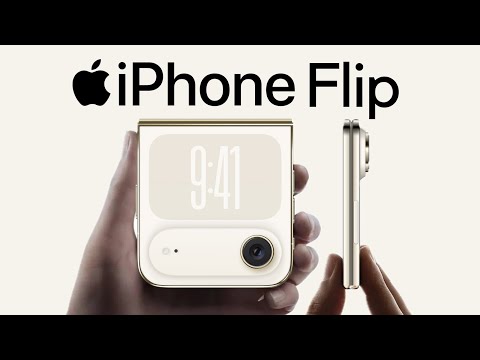
Apple is reportedly exploring the development of a clamshell-style foldable iPhone, tentatively referred to as the “iPhone Flip.” If launched, this device would compete directly with established foldable models like Samsung’s Galaxy Z Flip and Motorola Razr. While still in its exploratory phase, the iPhone Flip could mark a significant evolution in Apple’s product lineup, offering a compact yet versatile device that blends innovative design with practical functionality. This potential addition to Apple’s portfolio could appeal to users seeking portability without compromising on performance or screen size. The video below from SaranByte gives us more details about the iPhone Flip.
Apple’s Strategic Approach to Foldables
Apple has consistently taken a measured approach to adopting emerging technologies, and foldable smartphones are no exception. The company appears to be prioritizing a larger, book-style foldable iPhone as its initial entry into the foldable market. Only after validating the viability of this design might Apple shift its focus to a clamshell-style device like the iPhone Flip. This deliberate strategy reflects Apple’s commitment to delivering polished, user-centric products rather than rushing to compete in a market that remains relatively niche.
The iPhone Flip, if realized, would likely serve as a more portable alternative to the larger foldable. This approach aligns with Apple’s history of refining existing technologies to set new benchmarks in usability and design. By focusing on quality and user experience, Apple could differentiate itself from competitors and establish a strong foothold in the foldable segment.
What the iPhone Flip Could Offer
The iPhone Flip is expected to feature a compact, pocket-friendly design that unfolds to reveal a larger internal display. This design would cater to users who prioritize portability while still desiring a generous screen size for tasks such as browsing, streaming, and multitasking. An external display could provide quick access to notifications, widgets, and essential functions, reducing the need to unfold the device for basic interactions.
Apple’s hallmark software integration could set the iPhone Flip apart from its competitors. Features such as seamless multitasking, optimized app interfaces, and deep integration with the iOS ecosystem could enhance the overall user experience. For instance, smooth transitions between folded and unfolded modes might make the device more intuitive and practical for everyday use. Additionally, Apple’s focus on user-friendly design could ensure that the iPhone Flip offers a cohesive experience across its hardware and software.
Impact on the Smartphone Market
If launched, the iPhone Flip could fill the gap left by the discontinued iPhone Mini, appealing to users who prefer smaller, more portable devices. Its compact form factor, combined with a larger unfolded display, might attract those seeking the best of both worlds. This device could also appeal to professionals and casual users alike, offering versatility in a sleek, modern package.
Apple’s entry into the foldable market could have far-reaching implications. By introducing a foldable iPhone, Apple might help normalize the technology, encouraging developers to create foldable-specific apps and features. This could accelerate mainstream adoption of foldable devices and potentially drive down prices across the category, making the technology more accessible to a wider audience.
For users already invested in Apple’s ecosystem, the iPhone Flip could provide a seamless experience, integrating effortlessly with devices like the Apple Watch, iPad, and MacBook. This level of integration could make the iPhone Flip an attractive option for those seeking a cohesive digital experience. Furthermore, Apple’s influence might push competitors to innovate further, fostering healthy competition and advancing the industry as a whole.
Challenges Apple Must Overcome
Despite its potential, the iPhone Flip faces several technical and design challenges. Durability is a primary concern, as foldable devices are inherently more prone to wear and tear. Apple would need to address issues such as hinge reliability, crease visibility, and overall structural integrity to meet its high standards for quality and longevity.
Battery life presents another significant hurdle. Compact foldable devices have limited internal space, making it challenging to balance battery capacity with performance. Apple would need to optimize internal components and software to ensure that the iPhone Flip delivers the performance and battery life users expect from an iPhone.
Additionally, pricing could be a critical factor. Foldable devices are generally more expensive than traditional smartphones, and Apple would need to carefully position the iPhone Flip to appeal to a broad audience without alienating potential buyers due to cost. These challenges could delay the iPhone Flip’s release or even lead to its cancellation if Apple determines that compromises would undermine the user experience. However, Apple’s track record suggests that any foldable it releases will be thoroughly tested and refined.
Competitive and Ecosystem Implications
An iPhone Flip would introduce an iOS option in a foldable market currently dominated by Android devices. For users loyal to Apple’s ecosystem but intrigued by foldable technology, this device could offer a compelling alternative. Seamless integration with other Apple products, such as the Apple Watch and AirPods, could enhance the overall user experience and further solidify Apple’s ecosystem advantage.
Apple’s entry into the foldable space could also set new benchmarks for design, functionality, and software integration. By raising the bar, Apple might push the entire industry forward, benefiting all consumers by driving innovation and improving the quality of foldable devices. This could lead to advancements in areas such as display technology, hinge mechanisms, and software optimization, ultimately enhancing the value of foldable smartphones for users.
Uncertainty Surrounding the iPhone Flip
It’s important to note that the iPhone Flip remains in the exploratory phase. Apple is likely evaluating market demand, technical feasibility, and potential challenges before committing to production. While the concept of a clamshell-style foldable iPhone is intriguing, its release is far from guaranteed. If Apple determines that the market isn’t ready or that technical hurdles are insurmountable, the iPhone Flip may never reach consumers.
The Future of Foldable Technology
The iPhone Flip represents a potential milestone for both Apple and the foldable smartphone market. If successful, it could redefine what users expect from a compact, portable device, combining innovation with practicality. However, its development hinges on Apple’s ability to overcome significant challenges and deliver a product that meets its exacting standards.
Regardless of whether the iPhone Flip becomes a reality, foldable technology is poised to play an increasingly important role in the future of smartphones. For consumers, this evolution promises more choices, better value, and exciting innovations in the years to come.
Dive deeper into iPhone Flip with other articles and guides we have written below.
- iPhone Flip: Leaks, Features, and What to Expect
- iPhone 17 FLIP: Rumors, Leaks, and Speculation
- iPhone 17 Flip Release Date LEAKED! (Mark Your Calendars!)
- iPhone Flip Leaks: Is Apple Finally Fixing Foldables?
- iPhone 17 Flip: SHOCKING Leaks Reveal Price & Release Date?!
Source & Image Credit: SaranByte
Disclosure: Some of our articles include affiliate links. If you buy something through one of these links, Geeky Gadgets may earn an affiliate commission. Learn about our Disclosure Policy.
