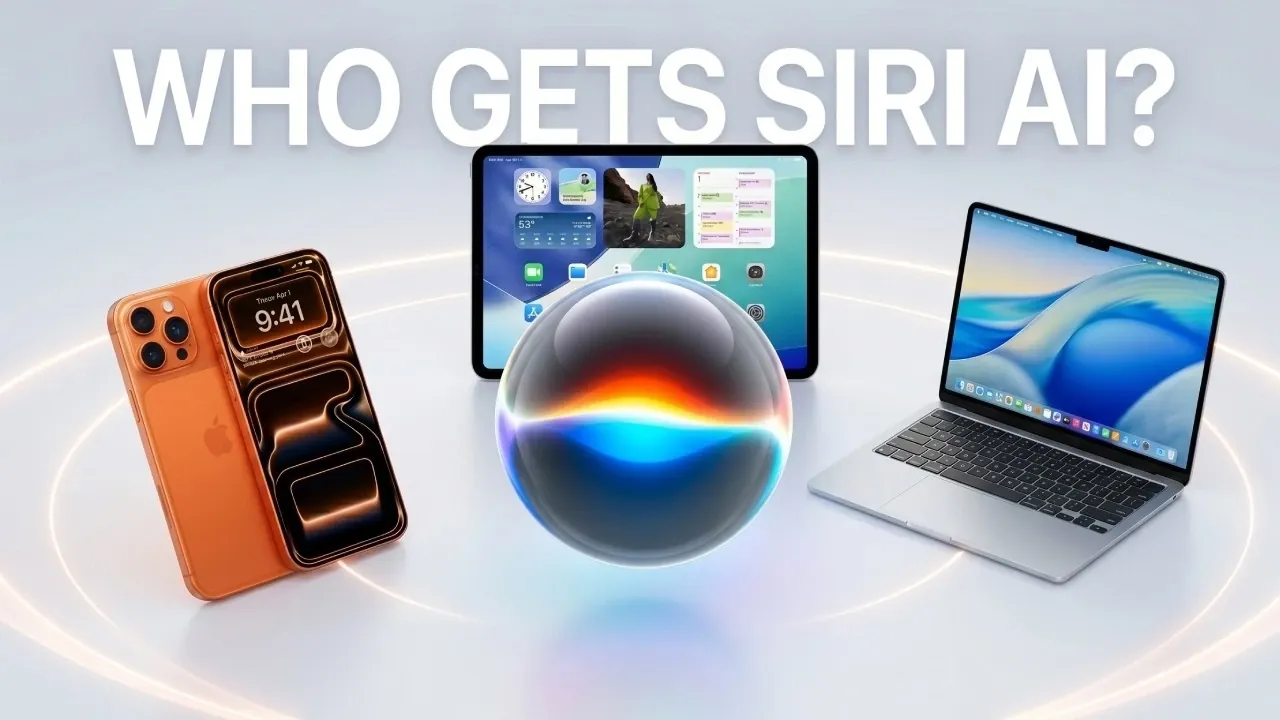
Apple’s unveiling of iOS 27, iPadOS 27, and macOS 27 Golden Gate at WWDC 2026 represents a significant step forward in software development. These updates emphasize the integration of advanced artificial intelligence, with features like enhanced Siri AI and Apple Intelligence taking center stage. However, not all devices will benefit equally from these innovations. Compatibility is determined by hardware capabilities, regional constraints, and localization efforts. Understanding these factors is essential to determining how these updates will impact your devices. The video below from Matt Talks Tech gives us more details on the devices that will be eligible for the update.

Release Timeline: When Can You Expect the Updates?
Apple’s release schedule for iOS 27, iPadOS 27, and macOS 27 follows a structured, phased approach designed to ensure a seamless transition for developers and users alike:
- Developer Beta: Released immediately after the WWDC 2026 keynote, allowing developers to test and optimize their applications for the new operating systems.
- Public Beta: Expected to roll out in mid-to-late July 2026, offering early adopters an opportunity to explore the updates and provide feedback.
- Final Public Release: Anticipated in September 2026, aligning with the launch of the next-generation iPhone.
This staggered rollout ensures that developers have adequate time to adapt their apps while allowing users to experience the updates in a controlled manner.
iOS 27 Compatibility: Which iPhones Make the Cut?
The compatibility of iOS 27 with iPhones is primarily determined by the device’s model and hardware specifications. Devices supported include:
- iPhone 11 series and newer models, including the iPhone SE (2nd generation).
While these devices will receive the base operating system update, access to advanced features such as Apple Intelligence and Siri AI is more selective. These features require higher hardware capabilities, which are only available on newer models. This distinction underscores Apple’s focus on using the latest technology to deliver innovative functionality.
Apple Intelligence and Siri AI: Who Gets the Advanced Features?
The standout features of iOS 27, iPadOS 27 and macOS 27 are Apple Intelligence and the enhanced Siri AI. However, these features come with stringent hardware requirements, reflecting their reliance on advanced processing power and memory. Here’s a detailed breakdown:
- Apple Intelligence: Available on iPhone 15 Pro, iPhone 15 Pro Max, iPhone 16 models, iPhone 17 models and the iPhone Air.
- Advanced Siri AI: Requires iPhone 17 Pro, iPhone 17 Pro Max, iPhone Air, or iPads equipped with M4/M5 chips and at least 12 GB of RAM.
- Macs: Advanced Siri AI is supported only on devices with M3 chips or later and a minimum of 12 GB of unified memory.
This tiered compatibility system ensures that only the most capable devices can fully use these advanced features, highlighting the growing importance of hardware in delivering AI-driven experiences.
iPadOS 27 Compatibility: A Focus on M-Series Chips
For iPads, the compatibility requirements for iPadOS 27 mirror those of iPhones but place a stronger emphasis on the M-series chips. The breakdown is as follows:
- Apple Intelligence: Supported on all iPads with M-series chips, starting from the M1.
- Advanced Siri AI: Limited to iPads with M4 or M5 chips and at least 12 GB of RAM.
This focus on M-series chips ensures that only the most advanced iPads can handle the demands of these AI-powered features, reinforcing Apple’s commitment to optimizing performance through hardware advancements.
macOS 27 Compatibility: What Your Mac Needs
macOS 27 Golden Gate introduces a range of new features to Apple’s Mac lineup, but compatibility is similarly dependent on hardware specifications. The requirements are as follows:
- Apple Intelligence: Supported on all Macs with Apple Silicon, starting from the M1 chip.
- Advanced Siri AI: Exclusive to Macs with M3 or later chips and at least 12 GB of unified memory.
These requirements highlight the increasing role of hardware in allowing advanced software capabilities, particularly in the realm of artificial intelligence.
Regional Limitations: Where You Live Matters
In addition to hardware requirements, regional restrictions also play a significant role in determining feature availability. Advanced Siri AI, for example, may not be accessible in certain regions, such as the European Union and China, at launch. These limitations are likely due to regulatory challenges and the need for extensive localization. Factors such as language support and regional preferences may further influence the rollout of specific features, underscoring the complexity of delivering a global software update.
Key Hardware Requirements: A Clear Hierarchy
The compatibility structure of iOS 27, iPadOS 27 and macOS 27 establishes a clear hierarchy. While older devices can run the base operating system, access to premium features like Siri AI and Apple Intelligence is reserved for newer models with advanced hardware. Devices with insufficient RAM or older chips will miss out on these capabilities, encouraging users to upgrade while maintaining basic support for older models. This approach balances innovation with inclusivity, making sure that a wide range of users can benefit from the updates.
What This Means for Your Devices
The release of iOS 27, iPadOS 27 and macOS 27 Golden Gate reflects Apple’s ongoing commitment to innovation, particularly in artificial intelligence. However, these updates also introduce a layered compatibility structure that prioritizes newer, more powerful hardware. While basic OS support is available for many devices, advanced features like Apple Intelligence and Siri AI are reserved for those with the latest technology. Regional restrictions and localization efforts further shape the availability of these features.
As you assess your device’s compatibility, consider whether your hardware meets the requirements for accessing the full range of new features. This evaluation will help you decide whether to upgrade your device or continue using your current model, making sure that you can make the most of Apple’s latest advancements.
Explore further guides and articles from our vast library that you may find relevant to your interests in iOS 27.
- iOS 27 Leaks Reveal the End of an Era: Apple’s New Priorities Confirmed
- iOS 27 Could Be Apple’s ‘Snow Leopard’ Moment—Focusing on One Huge Change
- The iOS 27 Compatibility Shock: Every iPhone That Will (and Won’t) Get the 2026 Update
- Apple Just Gave Us Our First Look at iOS 27—and It Changes Siri Forever
- First Look at the iOS 27 Siri Redesign Before WWDC 2026
- Why the iOS 27 CarPlay Update Will Change How You Drive
Source & Image Credit: Matt Talks Tech
Disclosure: Some of our articles include affiliate links. If you buy something through one of these links, Geeky Gadgets may earn an affiliate commission. Learn about our Disclosure Policy.
