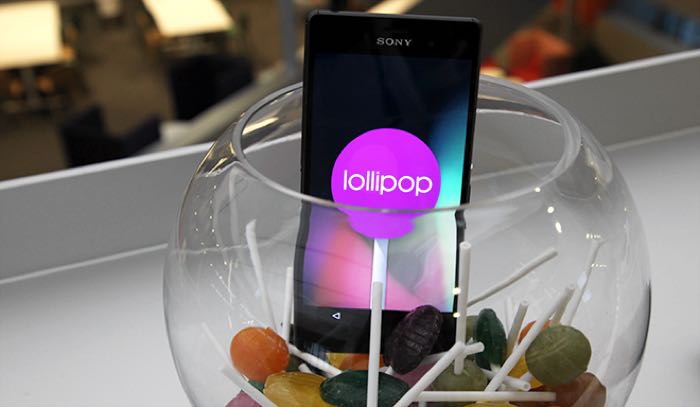
Google has released its latest Android distribution figures, and Android Lollipop is now on 18.1% of all devices. This marks a significant increase from previous months, indicating a steady adoption rate among users and manufacturers alike.
Android Kit Kat remains the highest distribution among Android devices, with a 39.3 percent share of all Android devices. This version has proven to be particularly resilient, maintaining its dominance despite the release of newer versions.
Android Jelly Bean and Older Versions
Android Jelly Bean is currently on 33.6 percent of all devices, which is a slight decrease from the figures that Google released last month. This decline is expected as users gradually upgrade to newer versions of the operating system. Jelly Bean’s longevity can be attributed to its stability and the fact that many older devices still run this version.
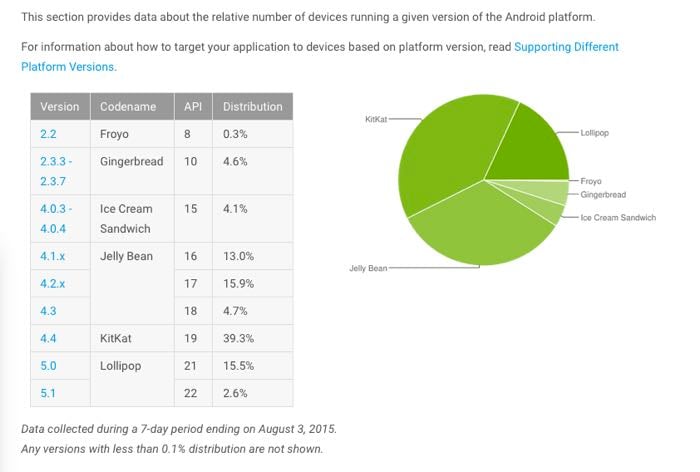
Android Ice Cream Sandwich is on 4.1 percent of all devices, Gingerbread on 4.6 percent, and Froyo on 0.3 percent. These older versions are slowly phasing out as they no longer receive updates and support from Google. However, their presence is still notable, especially in regions where older devices are more prevalent.
Upcoming Android M and Its Impact
Google will have a new version of their mobile OS coming later this year, Android M, and it will be interesting to see how long it takes the various manufacturers to roll out this new version to their devices. Historically, the adoption of new Android versions has been slow due to the fragmentation of the ecosystem. Each manufacturer customizes the OS for their devices, which delays the rollout process.
Android M promises to bring several new features and improvements, including better app permissions, battery life enhancements through Doze mode, and native support for fingerprint sensors. These features are expected to enhance user experience significantly, making the upgrade appealing to both users and manufacturers.
The adoption rate of Android M will also depend on the support from major manufacturers like Samsung, LG, and HTC. These companies play a crucial role in how quickly new versions are adopted, as they need to ensure compatibility with their custom interfaces and additional features.
In conclusion, while Android Lollipop is steadily increasing its share, Kit Kat remains the most widely used version. The upcoming release of Android M will likely shift these figures as users and manufacturers transition to the new version. It will be fascinating to observe how the Android ecosystem evolves with the introduction of Android M and how quickly it will be adopted across different devices.
Source Android Developers
Disclosure: Some of our articles include affiliate links. If you buy something through one of these links, Geeky Gadgets may earn an affiliate commission. Learn about our Disclosure Policy.
