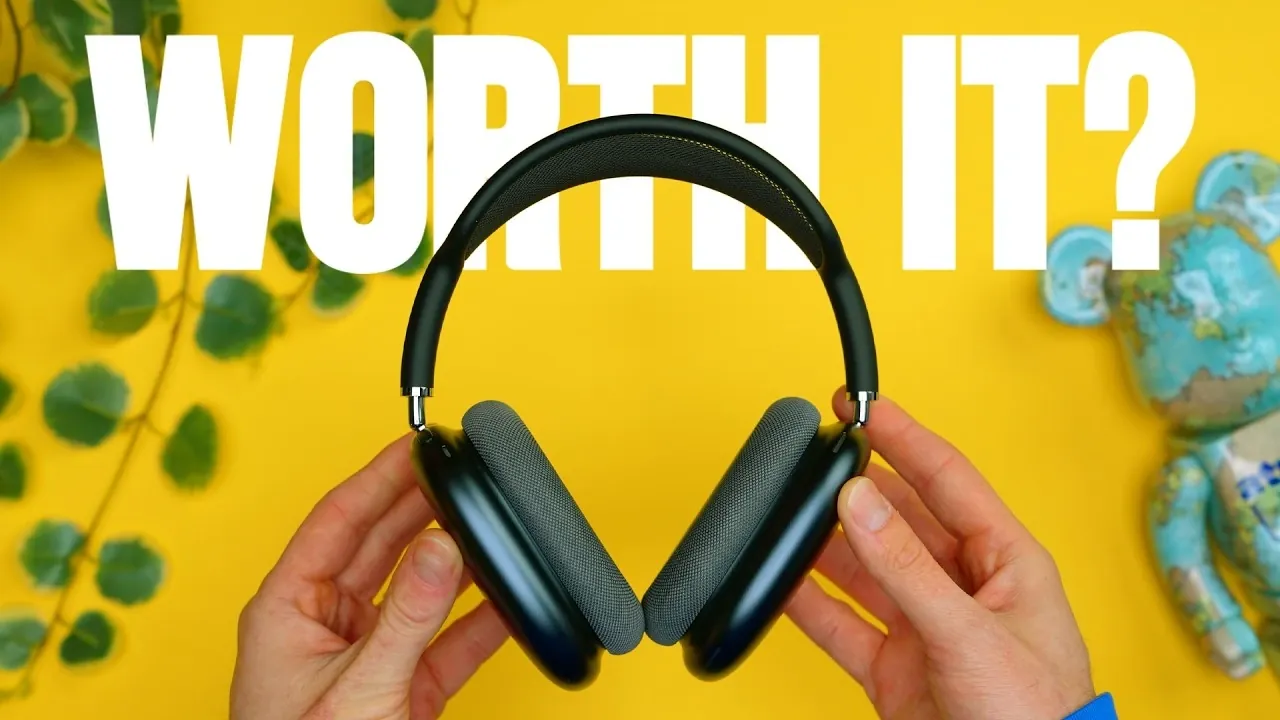
Apple’s AirPods Max 2 build on the foundation of their 2020 predecessor, introducing updates like USB-C charging, live translation, and enhanced noise cancellation. While the design remains unchanged, retaining the aluminum ear cups and breathable mesh headband, the headphones aim to refine rather than transform the user experience. Tech Fowler explores whether these incremental improvements justify the $550 price tag, especially given the competition from brands like Bose and Sony, which offer similar features at lower costs.
Discover how the AirPods Max 2 perform in key areas such as sound quality, where cleaner bass and a wider soundstage enhance listening and comfort, which balances premium materials with noticeable weight during extended use. You’ll also gain insight into the practicality of new features like lossless audio support and live translation, as well as the limitations that may affect portability and value for money. This guide provides a clear breakdown to help you decide if these headphones align with your needs and expectations.
TL;DR Key Takeaways :
- The AirPods Max 2 offer improved sound quality, enhanced noise cancellation and new features like USB-C charging and live translation, but retain the same design as the original model.
- Premium materials like aluminum ear cups and a breathable mesh headband provide a luxurious feel, but the headphones remain heavy and lack portability due to the absence of a folding mechanism.
- Sound quality improvements include cleaner bass, detailed highs and adaptive EQ, but the refinements are incremental rather than innovative, with limited sound customization options.
- Noise cancellation and transparency mode are industry-leading, making them ideal for noisy environments, while battery life remains unchanged at 20 hours.
- The $550 price tag and modest design updates may deter buyers, especially those outside the Apple ecosystem or seeking better value for money from competitors like Bose or Sony.
Design & Build Quality: Premium Yet Familiar
The AirPods Max 2 maintain the premium design of the original model, featuring aluminum ear cups, a breathable mesh headband, and a digital crown for precise volume control. These materials exude luxury, but the headphones remain heavy, which can impact comfort during extended use.
However, the design has its limitations:
- No folding mechanism, making them less portable than competitors like Bose or Sony.
- The included case, while activating low-power mode, offers minimal protection and continues to draw criticism for its unconventional design.
For users prioritizing portability or a fresh design, these aspects may feel underwhelming. While the build quality is undeniably premium, the lack of innovation in design after five years may disappoint some users.
Comfort: A Mixed Bag
At first, the AirPods Max 2 feel comfortable, thanks to plush memory foam ear cups and a tension-relieving mesh headband. These materials provide a luxurious feel, but the weight of the headphones becomes noticeable during prolonged listening sessions, such as long flights or all-day use.
While the ergonomics are well-suited for short-term use, they may not appeal to users who prefer lightweight alternatives. Comfort remains subjective and potential buyers should consider their personal preferences and usage habits before committing.

Here is a selection of other guides from our extensive library of content you may find of interest on AirPods Max 2.
- AirPods Max 2 Official: Price, Release Date and New Features
- What to Expect from Apple’s AirPods Max 2
- AirPods Max 2: Apple’s Over-Ear Redemption is Finally Here
- AirPods Max 2 Upgrade Guide: Should You Upgrade
- AirPods Max 2 vs AirPods Max: Key Differences Explianed
- AirPods Max 2: Is the H2 Chip Worth the $549 Price Tag?
- AirPods Max 2 vs AirPods Max 1: Compared (2026)
- AirPods Max 2 vs AirPods Max: 1.5x ANC and New Features
- AirPods Max 2: H2 Upgrades, 1.5x ANC and $549 Pricing Details
- Apple AirPods Max 2: More Details Revealed
Sound Quality: Incremental Refinements
The AirPods Max 2 deliver improved audio performance, building on the already impressive sound quality of the original. Equipped with the H2 chip, they offer:
- Cleaner bass and more detailed highs for a balanced sound profile.
- A slightly wider soundstage, creating a more immersive listening experience.
- Adaptive EQ that adjusts audio in real-time based on the fit and seal of the ear cups.
These refinements enhance the listening experience, but they are incremental rather than innovative. Casual listeners may not notice a significant difference compared to the first-generation model, while audiophiles might still seek more advanced sound customization options.
Noise Cancellation and Transparency Mode: Industry Leaders
Apple has further refined its noise cancellation technology, making the AirPods Max 2 highly effective at blocking out irregular sounds like voices, barking dogs, or background chatter. This makes them ideal for noisy environments such as offices, public transportation, or busy streets.
Transparency mode remains a standout feature, allowing you to stay aware of your surroundings without removing the headphones. Apple continues to lead the industry in this area, offering a natural and intuitive listening experience that feels seamless and practical for everyday use.
Features: Small but Notable Upgrades
The AirPods Max 2 introduce several new features aimed at enhancing usability:
- USB-C charging replaces the Lightning port, aligning with Apple’s broader shift toward universal connectivity.
- Lossless audio support via a wired connection caters to audiophiles seeking higher fidelity.
- A beta live translation feature offers real-time language translation for supported languages, though its practical applications remain limited for now.
Battery life remains unchanged at 20 hours, which is competitive but not exceptional. Additionally, the reliance on the case for low-power mode feels outdated compared to competitors with more advanced power management systems. While these upgrades are welcome, they may not be compelling enough for users who already own the original model.
Drawbacks: High Price and Modest Innovation
Despite their strengths, the AirPods Max 2 come with notable drawbacks:
- The $550 price tag places them at the high end of the market, with competitors like Bose and Sony offering similar features at lower prices.
- The lack of significant design updates after more than five years may disappoint users expecting a fresh look or improved portability.
- Limited sound customization options could be a downside for users who prefer more control over their audio experience.
These factors may make potential buyers pause, especially those outside the Apple ecosystem or those seeking better value for money.
Who Should Consider the AirPods Max 2?
The AirPods Max 2 are best suited for Apple users who value seamless integration with the Apple ecosystem. Features like instant device switching and spatial audio with dynamic head tracking work flawlessly within this ecosystem, making them an excellent choice for iPhone, iPad and Mac users.
However, Android users or those prioritizing value for money may find better options among competitors that offer similar performance at a lower cost. The AirPods Max 2 cater to a niche audience that prioritizes ecosystem compatibility and premium build quality over affordability.
Should You Upgrade?
If you already own the original AirPods Max, upgrading to the AirPods Max 2 may not be necessary unless features like USB-C charging or improved noise cancellation are essential to you. For first-time buyers, the AirPods Max 2 offer a premium experience, but older models with USB-C compatibility may provide better value, especially if available at a discounted price.
Ultimately, the decision to upgrade or invest depends on your specific needs, preferences and budget. While the AirPods Max 2 excel in certain areas, they may not represent a significant leap forward for all users.
Media Credit: Tech Fowler
Disclosure: Some of our articles include affiliate links. If you buy something through one of these links, Geeky Gadgets may earn an affiliate commission. Learn about our Disclosure Policy.
