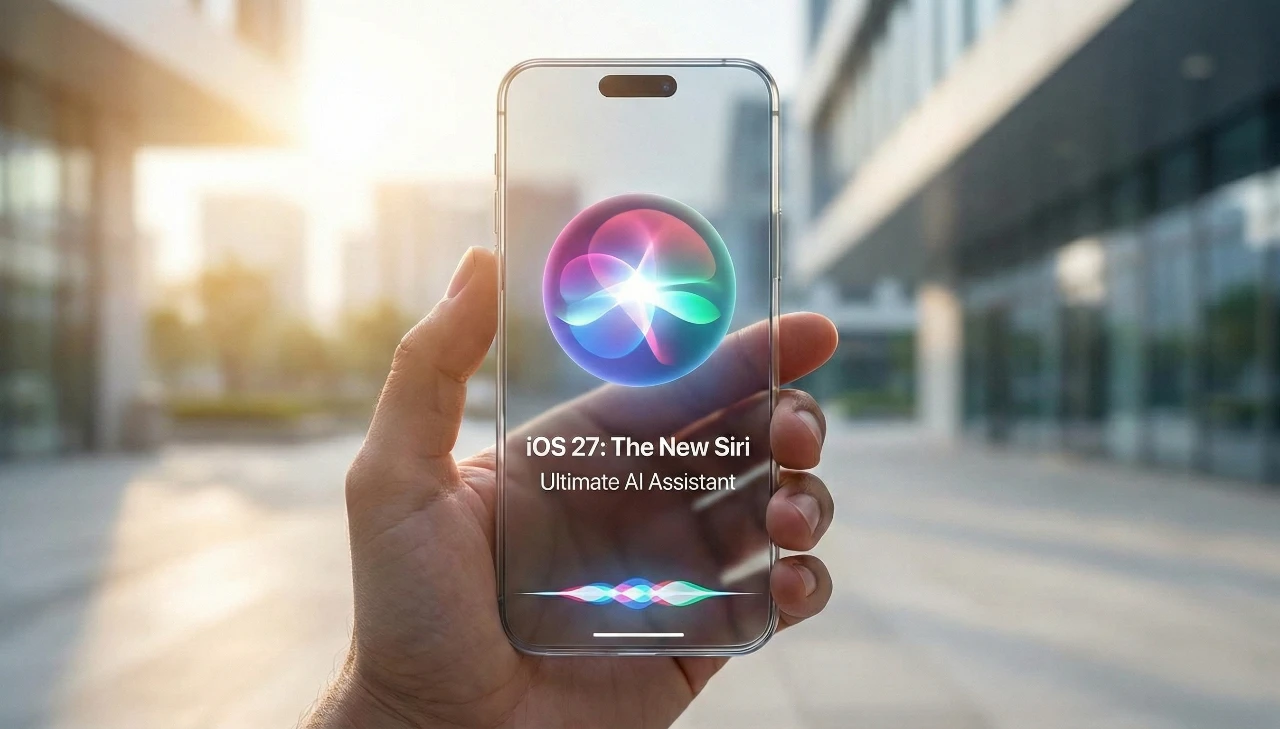
Apple is poised to reshape the virtual assistant landscape with a significant upgrade to Siri, transforming it into a fully conversational AI chatbot. Internally referred to as “Campos,” this enhanced version of Siri is set to debut with iOS 27. Designed to rival advanced AI platforms such as ChatGPT and Google Gemini, the new Siri will use innovative natural language processing (NLP) and advanced task management capabilities. This evolution aims to deliver a more intuitive, personalized, and seamless user experience, redefining how users interact with Apple’s ecosystem. The video below from MacRumors gives us more details on

A Shift from Commands to Conversations
The transformation of Siri from a command-based assistant to a conversational AI chatbot marks a pivotal moment in Apple’s AI journey. Unlike its current functionality, which relies on predefined commands, the new Siri will engage in dynamic, human-like conversations. It will be capable of reasoning, managing follow-up questions, and executing multi-step tasks with ease.
For example, envision asking Siri to organize a weekend getaway. Instead of merely offering links or basic suggestions, it could book accommodations, recommend activities, and create a detailed itinerary—all through a natural, flowing dialogue. This shift reflects the increasing demand for AI tools capable of handling complex, context-aware interactions, moving beyond the limitations of simple voice commands. By adopting this conversational approach, Siri aims to become a more versatile and indispensable tool for users.
Advanced Features and Ecosystem Integration
The updated Siri will introduce a range of advanced features designed to enhance productivity, creativity, and convenience. Among its key functionalities, Siri will be able to:
- Conduct web searches and generate written content tailored to user needs.
- Create images, summarize documents, and provide concise insights.
- Analyze files, assist with coding tasks, and simplify technical workflows.
What sets Siri apart from competitors is its deep integration with Apple’s ecosystem. By using on-device data, Siri will deliver contextually relevant assistance across apps such as Photos, Mail, Messages, and Music. Whether you need help organizing your photo library, drafting an email, or curating a playlist, Siri will provide seamless support through both voice and text-based interactions. This integration ensures that Siri not only enhances individual tasks but also strengthens the overall functionality of Apple’s interconnected suite of products.
Privacy-Centric Personalization
Apple’s unwavering commitment to privacy remains a cornerstone of its AI strategy. While the new Siri will offer personalized experiences, its memory retention capabilities are expected to be carefully limited to safeguard user data. For instance, Siri might remember your favorite music genres or recurring reminders but will avoid storing sensitive information over extended periods.
This privacy-first approach could set Siri apart from competitors, addressing growing concerns about data security while still delivering tailored interactions. By striking a balance between personalization and privacy, Apple aims to build trust with users and establish a benchmark for ethical AI practices. This focus on privacy could prove to be a decisive factor in attracting users who prioritize data security.
Technical Challenges and Monetization Strategies
The advanced capabilities of the new Siri will require substantial computational power, likely relying on server-side processing to handle complex tasks. This raises important questions about scalability and cost management. To address these challenges, Apple may introduce a tiered subscription model, similar to its existing services like iCloud or Apple One.
While basic features are expected to remain free, premium functionalities—such as in-depth document analysis, advanced task automation, or specialized creative tools—might be offered as part of a paid subscription. This pricing strategy will play a critical role in determining the accessibility and appeal of Siri’s new capabilities. For users seeking advanced features, the subscription model could provide a clear pathway to unlocking Siri’s full potential.
Competitive Positioning and Launch Timeline
Apple is expected to unveil the new Siri at its Worldwide Developers Conference (WWDC) in June, with iOS 27 testing to commence shortly thereafter. The official release is anticipated within six months of the announcement. Positioned as a direct competitor to ChatGPT and Google Gemini, Siri’s enhanced features could lead Apple to phase out third-party AI integrations on its devices.
This strategic move underscores Apple’s ambition to establish Siri as a leader in the AI space. By using its ecosystem, Apple aims to deliver a cohesive and superior user experience that sets its offering apart from competitors. However, the company will need to navigate the competitive landscape carefully, making sure that Siri’s unique features and privacy-centric approach resonate with users.
Transforming the Apple Ecosystem
The introduction of a conversational AI chatbot represents a significant milestone for Apple’s ecosystem. By embedding advanced AI capabilities into iOS 27, Apple seeks to elevate the functionality of its devices and services, fostering deeper user engagement and loyalty.
For users, the new Siri promises to be more than just a virtual assistant. It will become a versatile tool for managing daily tasks, sparking creativity, and accessing information in a more intuitive way. This development has the potential to enhance the overall value of Apple’s ecosystem, encouraging users to rely more heavily on its integrated suite of products. By seamlessly integrating AI into its devices, Apple aims to create a more cohesive and efficient user experience.
Looking Ahead
The launch of Siri’s conversational AI chatbot signals a bold step forward in Apple’s AI strategy. With its ability to handle complex conversations, execute advanced tasks, and integrate seamlessly with Apple’s ecosystem, the new Siri has the potential to redefine the role of virtual assistants in daily life.
However, its success will depend on Apple’s ability to address key challenges, including privacy concerns, technical scalability, and the implementation of a sustainable monetization model. As competition in the AI space intensifies, Siri’s evolution could set a new standard for user interaction, solidifying its position as a cornerstone of Apple’s next-generation devices and services.
Unlock more potential in Siri and AI by reading the previous articles we have written.
- Custom Siri Chatbot: Features, Benefits, and How to Build It
- iOS 18 features expected to announced at WWDC 2024 by Apple
- How to Use ChatGPT in Apple Notes iOS 26 for Smarter Workflows
- iOS 19 Release Date and Features: What to Expect from WWDC
- New custom Zapier AI chatbots pricing and interfaces explained
Source: MacRumors
Disclosure: Some of our articles include affiliate links. If you buy something through one of these links, Geeky Gadgets may earn an affiliate commission. Learn about our Disclosure Policy.
