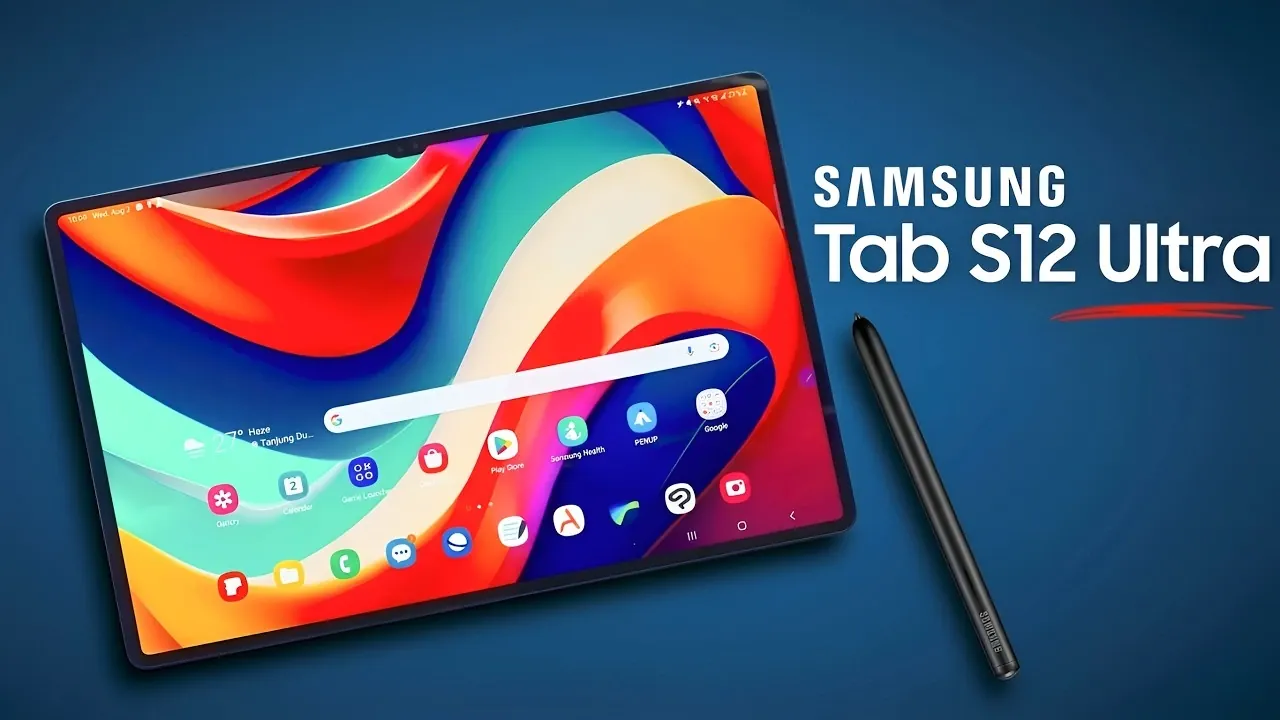
Samsung is making a significant change in its flagship tablet lineup by replacing Qualcomm’s Snapdragon processors with MediaTek’s Dimensity 9500 chip in the upcoming Galaxy Tab S12 Ultra. This decision highlights a strategic focus on AI-driven features, enhanced user experiences and efficient on-device processing, moving beyond the traditional emphasis on raw performance benchmarks. This shift reflects Samsung’s evolving priorities in a competitive and rapidly changing market.

Why MediaTek? The Transition Explained
Reports confirm that the Galaxy Tab S12 Ultra will feature MediaTek’s Dimensity 9500 processor, marking a departure from the Snapdragon chips that have powered previous flagship models. This move aligns with Samsung’s growing adoption of MediaTek processors in its premium devices, signaling a deliberate strategy to diversify its hardware partnerships.
The Dimensity 9500 is designed to deliver balanced performance, focusing on energy efficiency and advanced AI capabilities. These features are increasingly critical for modern tablets, where seamless multitasking, intelligent functionalities and extended battery life are more valued than raw processing power. By integrating MediaTek’s processor, Samsung aims to offer a device that excels in real-world usability while maintaining competitive performance metrics.
AI-Powered Features: A New Era for Tablets
The Galaxy Tab S12 Ultra is expected to introduce a suite of AI-driven functionalities aimed at enhancing both creativity and productivity. These features are designed to cater to the evolving needs of users who demand smarter, more intuitive tools. Key AI-powered capabilities may include:
- AI-Generated Wallpapers: Automatically create dynamic, personalized backgrounds that adapt to your preferences and usage patterns.
- Generative Editing Tools: Effortlessly modify or expand images, allowing seamless content creation for both casual users and professionals.
- Advanced Image Processing: Optimize photos and videos with minimal user input, making sure consistent quality across media outputs.
These features use on-device AI processing, reducing reliance on cloud-based systems. This not only enhances speed and responsiveness but also improves data security by keeping sensitive information local. For example, real-time image editing and AI harmonization can streamline workflows, making the device a powerful tool for content creators and multitaskers alike.
Performance: Beyond Benchmarks
While the Dimensity 9500 may not outperform Snapdragon processors in raw CPU benchmarks, it offers competitive GPU performance and is optimized for demanding tasks. This makes it a strong contender for users who prioritize real-world usability over synthetic performance scores. The processor’s capabilities are tailored to meet the needs of modern users, with key performance highlights including:
- Gaming: Enjoy smoother frame rates and enhanced graphics rendering, delivering an immersive gaming experience.
- Creative Workloads: Efficiently handle resource-intensive tasks such as video editing, 3D modeling and multitasking without noticeable slowdowns.
Samsung’s decision to prioritize efficiency and usability over sheer processing power reflects a broader industry trend. By focusing on real-world applications, the Galaxy Tab S12 Ultra aims to appeal to a diverse audience, from casual users to professionals seeking a reliable and versatile device.
What to Expect from the Galaxy Tab S12 Lineup
The Galaxy Tab S12 series is anticipated to feature a streamlined model range, potentially including a Plus variant with enhanced battery technology. Improved battery life will complement the device’s AI-driven features, making sure extended usage without compromising performance. This focus on longevity and efficiency is expected to resonate with users who rely on their tablets for both work and entertainment.
Samsung is also likely to integrate AI-powered optimizations across the entire lineup. These may include smarter multitasking capabilities, enhanced background task management and adaptive performance settings that adjust to user behavior. Such improvements aim to create a more intuitive and efficient user experience, positioning the Galaxy Tab S12 series as a leader in the premium tablet market.
Strategic Implications of the MediaTek Shift
Samsung’s decision to adopt MediaTek processors represents a strategic shift in its approach to flagship tablets. By focusing on AI-driven features and user experience rather than hardware specifications, Samsung is positioning itself to stand out in an increasingly competitive market. This move reflects the growing demand for devices that seamlessly integrate advanced functionalities into daily workflows.
The success of this transition will depend on Samsung’s ability to optimize its software and hardware to fully use the capabilities of the Dimensity 9500. If executed effectively, this strategy could redefine consumer expectations for premium tablets, emphasizing functionality, efficiency and innovation over traditional performance metrics.
Samsung Galaxy Tab S12 Ultra – Rumored Specifications
| Feature / Hardware | Expected / Rumored Specification |
| Display | 14.6-inch Tandem OLED panel, 120Hz refresh rate, peak brightness pushed to 3,000+ nits, utilizing Anti-Reflective Gorilla Armor glass. |
| Processor | MediaTek Dimensity 9500 (Recent Samsung AI Core APK teardowns strongly hint at this shift for better thermal efficiency/gaming) / Select region variants may feature Qualcomm Snapdragon 8 Elite Gen 2 (or 8 Gen 5). |
| Memory (RAM) | 12GB, 16GB, and a new massive 24GB RAM productivity variant. |
| Storage | 256GB / 512GB / 1TB / 2TB options. |
| Design / Materials | Rumored upgrade to a Grade 5 Titanium chassis for increased rigidity and reduced overall weight. |
| Front Camera | Shift toward an improved Under-Display Camera (UDC 2.0) to finally eliminate the screen notch. |
| Rear Camera | Dual setup: 13MP (Main) + 8MP (Ultra-Wide). |
| Battery & Charging | 11,200mAh to 12,500mAh capacity; upgraded charging support ranging from 45W up to 80W/100W ultra-fast charging. |
| Audio | AKG-tuned quad-speaker system with advanced Dolby Atmos spatial mapping. |
| Software | Android 16 or 17 (depending on exact launch timing) featuring “Neural DeX”—a heavily upgraded, AI-driven desktop workflow mode. |
| Accessories | Redesigned S Pen Pro 3 featuring localized haptic feedback to simulate writing on different paper textures. |
| Expected Launch | Late Q3 2026 (Likely September) |
| Expected Price | Starting around $1,299 USD |
A Bold Step Toward the Future
The Galaxy Tab S12 Ultra represents a pivotal moment in Samsung’s tablet strategy. By moving away from Snapdragon processors and embracing MediaTek’s Dimensity 9500, Samsung is prioritizing AI-driven features, on-device processing and user experience optimization. This shift reflects the changing needs of consumers, who increasingly value functionality and efficiency over raw performance.
If Samsung successfully integrates these new technologies and delivers on its promises, the Galaxy Tab S12 Ultra could set a new standard for premium tablets. By focusing on real-world usability and advanced AI capabilities, Samsung is not only adapting to current market trends but also shaping the future of tablet innovation.
Here are more detailed guides and articles that you may find helpful on the Samsung Galaxy Tab S12 Ultra.
- Samsung Galaxy Tab S12+: Why the 10,500mAh Battery Upgrade Changes Everything
- Galaxy Z TriFold 2: Samsung’s Radical Plan to Kill the USB-C Port
- Is Apple Planning an AirPods Ultra? New September Leaks Say Yes
- iPhone Fold Leak: Apple Finally Perfects the ‘Zero-Crease’ Display
- Get Ready: Samsung Galaxy Tab S11 Ultra Release Date & Rumors!
Source & Image Credit: Demon’s Tech
Disclosure: Some of our articles include affiliate links. If you buy something through one of these links, Geeky Gadgets may earn an affiliate commission. Learn about our Disclosure Policy.
